
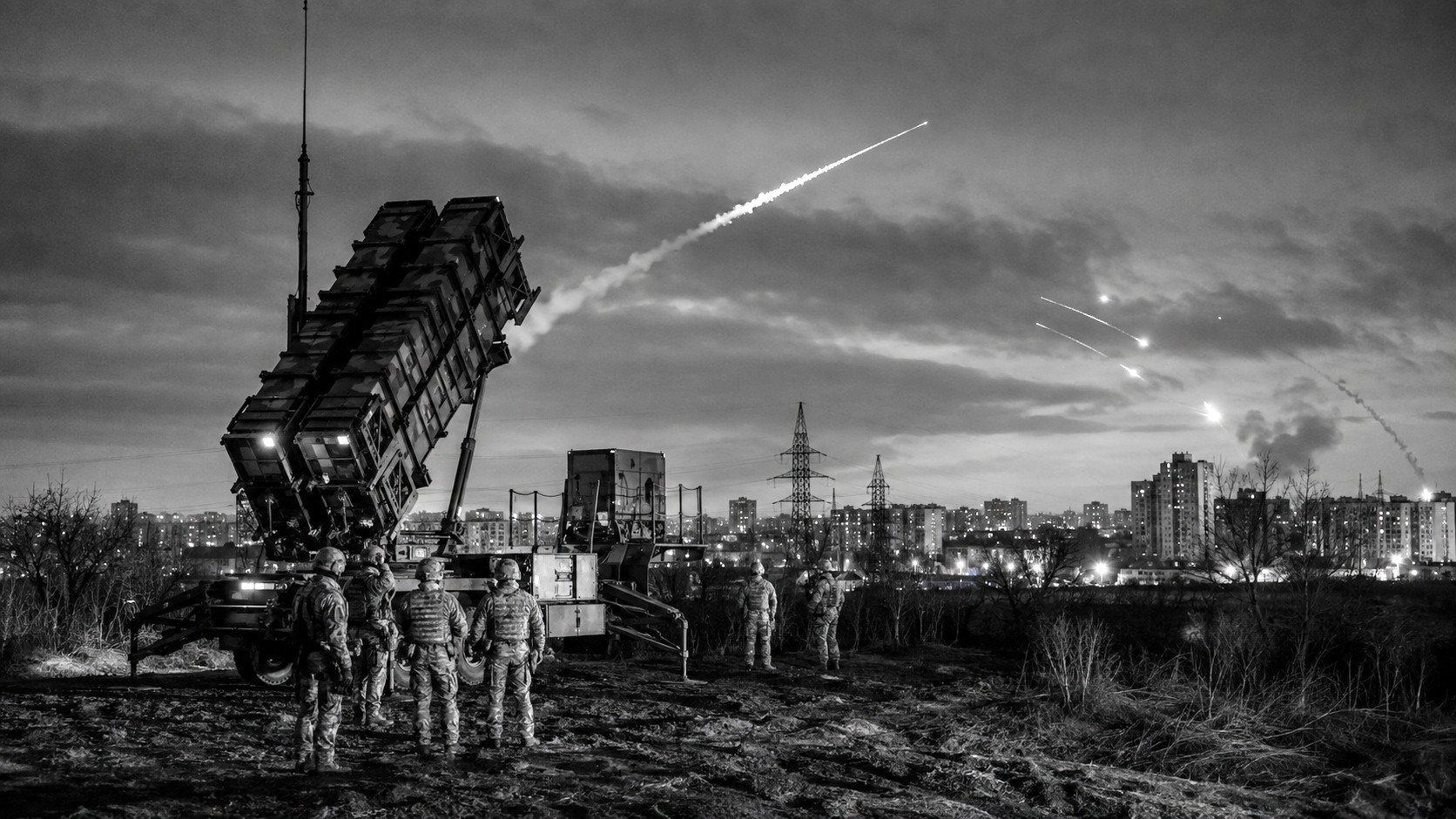
Nato Secretary General Mark Rutte has begun urgent discussions with allied governments over additional air-defence missiles for Ukraine, after a major Russian attack exposed severe shortages in Kyiv’s ability to intercept ballistic weapons. President Volodymyr Zelenskyy warned that Russia was preparing to accelerate missile production before winter, when Ukrainian cities and energy infrastructure are expected to face renewed pressure.
Rutte contacts Nato allies
Rutte said he was speaking with Nato members about how they could continue providing Ukraine with the air defences it “urgently needs”. His comments followed a conversation with Zelenskyy concerning countries that possess Patriot interceptors or other missiles capable of countering advanced Russian weapons.
Zelenskyy called for bureaucracy to be removed and political decisions to be taken quickly. Ukraine argues that available interceptors should be transferred immediately because every delay leaves cities, critical infrastructure and civilians increasingly exposed.


Deadly attack exposes defensive weakness
The appeal followed a large Russian attack against Kyiv and the surrounding region that killed at least 17 people and injured more than 40, according to Ukrainian authorities. Railway facilities, warehouses and commercial sites were among the locations damaged.
Russia launched 24 ballistic missiles and four Zircon cruise missiles during the assault. Ukrainian forces failed to intercept any of them, although most of the accompanying drones were reportedly destroyed.
Moscow said it had targeted military-related facilities, while Ukraine maintained that civilian businesses and transport infrastructure were struck. The claims from both sides could not be independently verified.
Interceptor deliveries fall dramatically
Zelenskyy said Ukraine had received only around one-third as many air-defence missiles in 2026 as during the corresponding supply effort in 2025. The shortage has been particularly damaging because US-made Patriot systems remain Ukraine’s most effective defence against ballistic missiles.
Patriot interceptors are expensive, technically complex and produced in limited quantities. Global stockpiles have also come under pressure from heightened military demand in the Middle East, where the United States and its allies require similar defensive capabilities.
Zelenskyy suggested that the Middle East conflict was the principal reason for reduced deliveries, but said he could not exclude the possibility that slower supplies were intended to increase pressure on Ukraine to compromise in future peace negotiations.
Russia prepares larger missile campaign
Ukrainian officials believe Russia is significantly expanding production of ballistic missiles ahead of the colder months. One presidential defence adviser estimated that Moscow could eventually launch around 100 ballistic missiles each month against logistics centres, industrial sites and storage facilities.
Russia has repeatedly targeted Ukraine’s electricity network during winter, attempting to disrupt power, heating and water supplies. A larger stockpile would allow Moscow to conduct concentrated attacks using ballistic missiles, cruise missiles, drones and decoys designed to overwhelm Ukrainian defences.
Kyiv also says Russia has resumed using North Korean ballistic missiles. Ukrainian intelligence claims a North Korean missile unit is deploying to western Russia with up to six launchers and as many as 120 missiles. Neither Moscow nor Pyongyang has confirmed the deployment.
Long-term solutions cannot meet immediate need
Ukraine is seeking American approval to produce Patriot missiles domestically and has urged European countries to develop a broader anti-ballistic defence system. European interceptor production is also being expanded, but new factories and manufacturing agreements will require time before they can produce significant quantities.
For Kyiv, the immediate challenge is therefore securing missiles already held by allied countries. The latest attack demonstrated that advanced launchers offer limited protection without sufficient interceptor stocks.
As Russia increases the scale and frequency of its strikes, Nato governments face growing pressure to balance their own defence requirements against Ukraine’s urgent need to protect its population before winter.
Newshub Editorial in Europe – 6 August 2026

Ask NF GPT
If you have an account with ChatGPT you get deeper explanations,
background and context related to what you are reading.
Nato Secretary General Mark Rutte has begun urgent discussions with allied governments over additional air-defence missiles for Ukraine, after a major Russian attack exposed severe shortages in Kyiv’s ability to intercept ballistic weapons. President Volodymyr Zelenskyy warned that Russia was preparing to accelerate missile production before winter, when Ukrainian cities and energy infrastructure are expected to face renewed pressure.
Recent Comments