
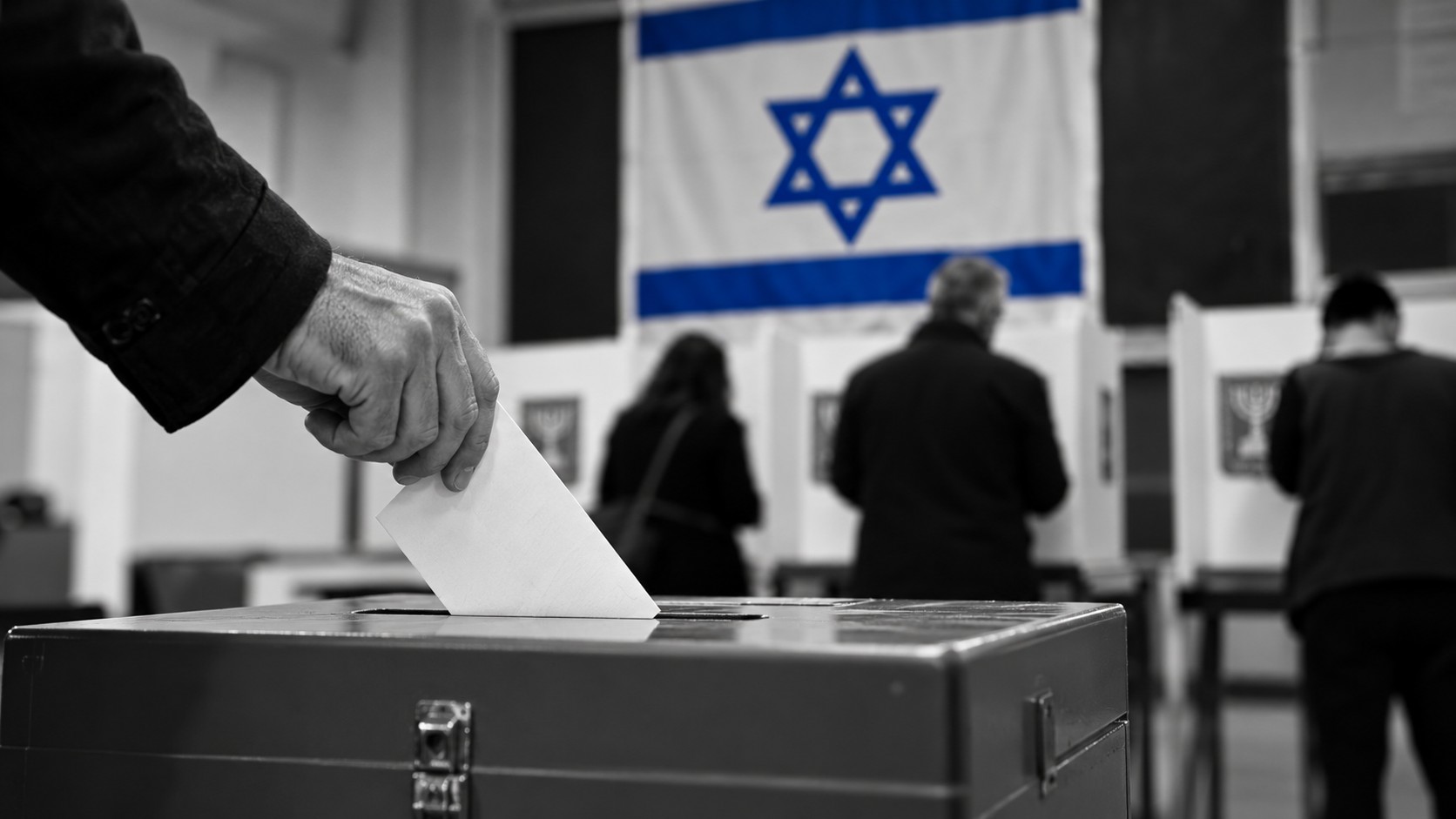
Millions of Israelis are heading to polling stations on Tuesday, 27 October 2026, in a parliamentary election widely regarded as a referendum on Prime Minister Benjamin Netanyahu’s leadership. Former military chief Gadi Eisenkot has emerged as his principal challenger, with opinion polls suggesting a closely contested race that could reshape Israel’s political future and its relationships across the Middle East.
A nation divided after years of conflict
The election is Israel’s first since the Hamas-led attacks of 7 October 2023 and the devastating military campaigns that followed.
Netanyahu, leader of the conservative Likud party, is campaigning on national security, military achievements and his experience in confronting regional threats.


However, his opponents accuse him of responsibility for the security failures preceding the attacks, weakening democratic institutions and damaging Israel’s international standing.
More than 7.3 million citizens are eligible to vote, with approximately 12,000 polling stations operating nationwide.
Eisenkot offers an alternative
Gadi Eisenkot, the former chief of Israel’s armed forces, leads the centrist Yashar party and has positioned himself as a credible alternative to Netanyahu.
Unlike more confrontational political figures, Eisenkot has built his campaign around military experience, institutional accountability and restoring public confidence.
He has demanded an independent state investigation into the October 2023 attacks and pledged to address controversial military service exemptions for ultra-Orthodox Jewish men.
His challenge has transformed what might otherwise have been a predictable election into an uncertain contest.
Coalition mathematics could determine the outcome
Israel’s proportional electoral system requires a parliamentary majority of at least 61 seats in the 120-member Knesset.
Final opinion polls indicate that neither Netanyahu’s governing bloc nor the opposition has a guaranteed majority.
Smaller religious, nationalist and Arab parties could therefore play decisive roles in determining who can form the next government.
Former prime minister Naftali Bennett, opposition politician Yair Lapid and far-right minister Itamar Ben-Gvir are among the other influential figures.
The consequences extend beyond Israel
The election carries substantial implications for regional security, relations with Washington, the future of Gaza and prospects for Israeli–Palestinian diplomacy.
Investors will also monitor the outcome for signs of political stability, fiscal discipline and the direction of defence expenditure.
Polling stations close at 22:00 local time, after which exit polls are expected.
Yet even a clear electoral lead may not produce an immediate government, with coalition negotiations potentially lasting weeks.
For Israel, Tuesday’s vote represents more than a choice of prime minister. It is a decision about the country’s political direction after years of extraordinary turmoil.
NewsHub Finance | Politics | 27 October 2026
Millions of Israelis are heading to polling stations on Tuesday, 27 October 2026, in a parliamentary election widely regarded as a referendum on Prime Minister Benjamin Netanyahu's leadership. Former military chief Gadi Eisenkot has emerged as his principal challenger, with opinion polls suggesting a closely contested race that could reshape Israel's political future and its relationships across the Middle East.
Recent Comments