
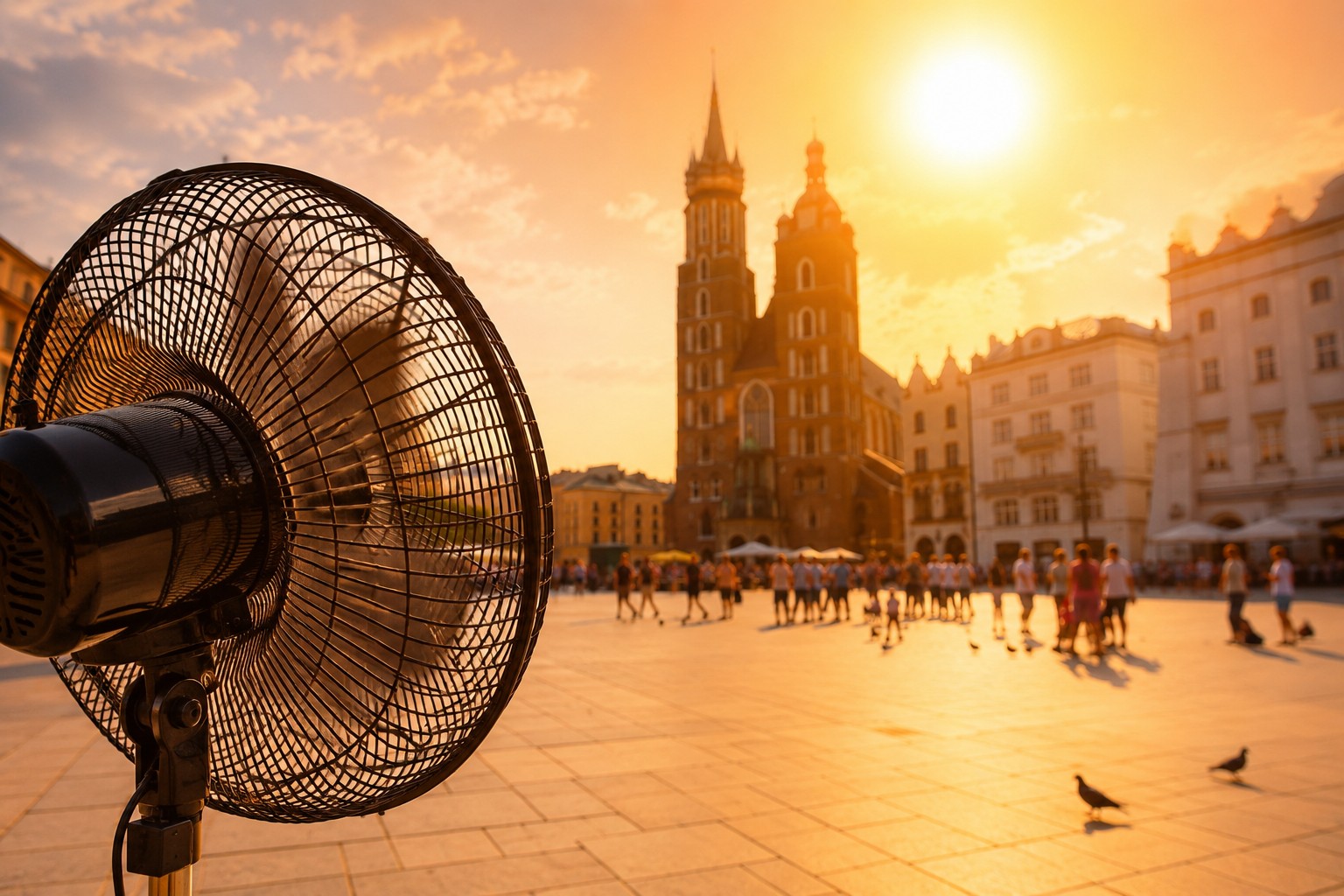
A powerful heatwave sweeping across Europe is shifting eastward, prompting authorities to issue red weather warnings across parts of Central and Eastern Europe. Hungary, Poland, Romania and several Balkan countries are preparing for dangerously high temperatures, with officials urging residents to remain indoors during the hottest hours of the day and take precautions against heat-related illness.
Heatwave expands across the continent
After bringing record-breaking temperatures to western and southern Europe, the intense heat is now moving into Central and Eastern Europe. Meteorological agencies have warned that daytime temperatures could exceed 40°C in some locations, with overnight conditions offering little relief as tropical nights become increasingly common.

Red alerts have been issued in several regions, reflecting the high risk to public health, particularly for older people, young children and those with pre-existing medical conditions.
Authorities issue public health warnings
Governments and local authorities have advised residents to avoid unnecessary outdoor activity during peak afternoon hours, remain well hydrated and seek air-conditioned or shaded environments where possible.
Emergency services have also increased staffing levels in anticipation of a rise in heat-related illnesses, while hospitals have been instructed to prepare for greater demand. Employers in some sectors have been encouraged to adjust working hours to reduce outdoor exposure for construction workers, agricultural labourers and other vulnerable occupations.
Schools, care facilities and sporting organisations are also reviewing activities as temperatures continue to climb.
Wildfire risk intensifies
The prolonged period of extreme heat has significantly increased the risk of wildfires across southeastern Europe. Dry vegetation, low humidity and gusty winds have created favourable conditions for fires to spread rapidly, prompting authorities to place firefighting resources on heightened alert.
Several countries have introduced temporary restrictions on outdoor burning and urged the public to report any signs of smoke immediately.
The combination of heat and drought is also placing additional pressure on water supplies and agriculture, with farmers expressing growing concern over crop yields during one of the hottest starts to summer in recent years.
Climate trends under scrutiny
Scientists note that while individual heatwaves are influenced by natural weather patterns, climate change is increasing both the frequency and intensity of extreme heat events across Europe. Recent years have seen repeated temperature records broken, with longer-lasting heatwaves becoming more common.
Meteorologists expect the current weather pattern to persist for several more days before cooler Atlantic air gradually begins to moderate conditions in parts of western Europe. Eastern regions, however, are forecast to experience the most severe temperatures during the coming days.
Communities urged to remain vigilant
Public health officials continue to stress that extreme heat can be as dangerous as severe storms or flooding. They advise checking regularly on elderly relatives and neighbours, ensuring pets have adequate water and shelter, and avoiding strenuous physical activity during the hottest periods of the day.
As the heatwave moves east, millions of Europeans face several more days of potentially hazardous conditions, making preparedness and caution essential until temperatures begin to ease.
Newshub Editorial in Europe – 30 June 2026

If you have an account with ChatGPT you get deeper explanations,
background and context related to what you are reading.
Open an account:
Open an account
Recent Comments