
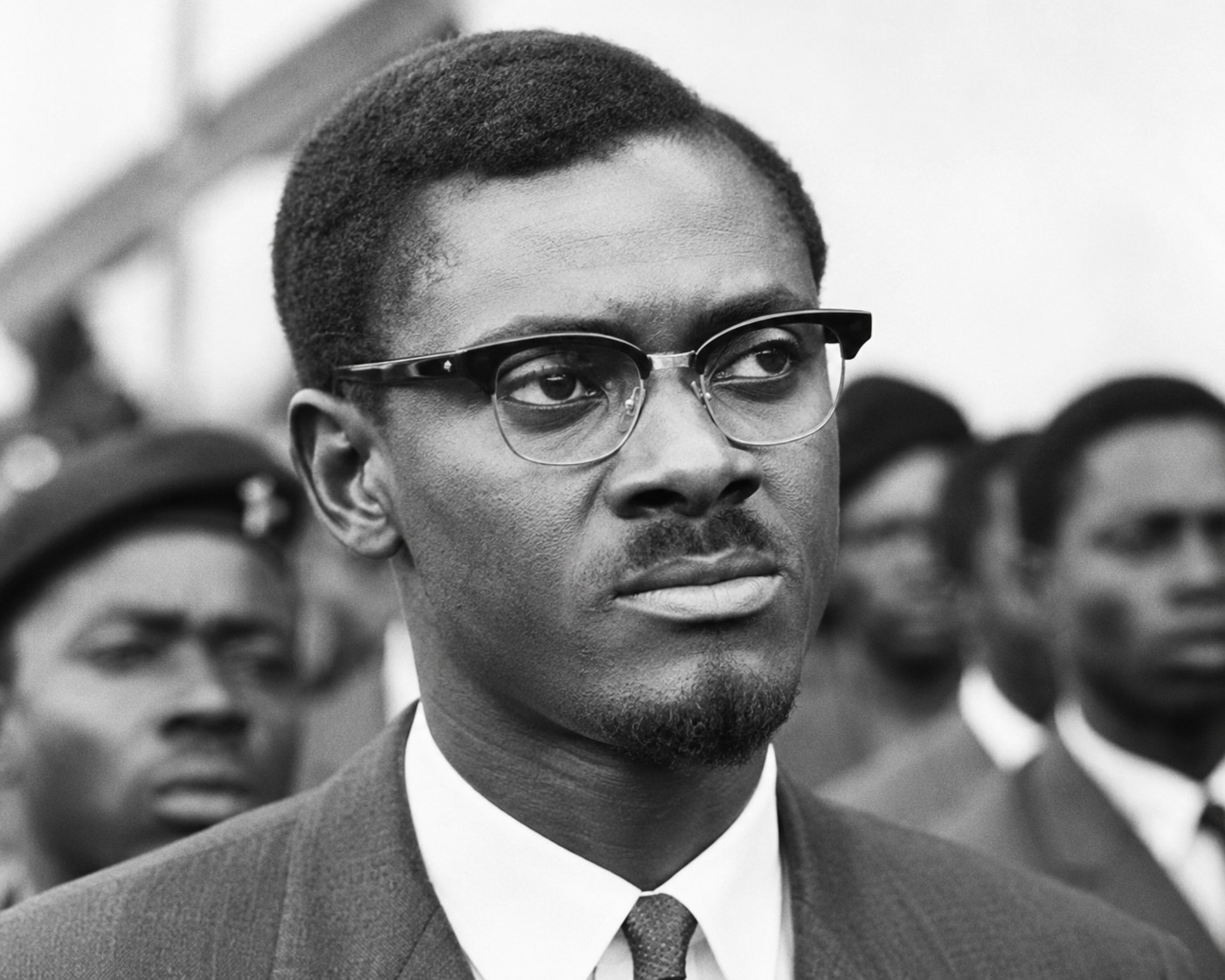
On July 2, 1925, Patrice Lumumba was born in Onalua, in what was then the Belgian Congo. Although he served as prime minister for only a few months in 1960, Lumumba became one of Africa’s most influential independence leaders and remains a powerful symbol of anti-colonialism, national sovereignty and the struggle against foreign interference.
From postal worker to nationalist leader
Born into a modest family, Lumumba received more education than many Congolese of his generation and initially worked as a postal clerk before becoming involved in journalism and politics. As colonial rule began to weaken across Africa during the 1950s, Lumumba emerged as one of the strongest advocates for a united and independent Congo.

In 1958, he founded the Mouvement National Congolais (MNC), a movement that rejected tribal divisions and instead promoted national unity. Unlike many contemporary political leaders whose influence was largely regional, Lumumba sought to build a single Congolese identity capable of governing one of Africa’s largest and most resource-rich countries.
Leading an independent nation
On June 30, 1960, the Democratic Republic of the Congo officially gained independence from Belgium. Lumumba became the country’s first democratically elected prime minister, while Joseph Kasa-Vubu assumed the presidency.
During the independence ceremony in Léopoldville, Lumumba delivered a speech that surprised both Belgian officials and international observers. Rather than celebrating colonial rule, he openly condemned decades of exploitation, forced labour and racial discrimination. The speech instantly established him as a leading voice of African self-determination but also created tensions with Belgium and several Western governments.
Within weeks, the new nation descended into political and military turmoil. The mineral-rich province of Katanga declared secession with Belgian backing, while Cold War rivalries rapidly intensified the crisis.
A tragic end and enduring legacy
As instability deepened, Lumumba sought international assistance. After failing to receive sufficient support from Western nations, he turned to the Soviet Union, alarming the United States and its allies during the height of the Cold War.
In September 1960, Lumumba was removed from office following a political struggle and military intervention led by Joseph-Désiré Mobutu. He was arrested and, on January 17, 1961, executed in Katanga. Investigations conducted decades later concluded that Belgian officials bore moral responsibility for circumstances surrounding his death, while declassified documents have revealed extensive foreign involvement during the crisis.
Today, Lumumba is widely regarded as one of the founding figures of modern African nationalism. Streets, universities and monuments across Africa bear his name, while historians continue to debate how differently the Democratic Republic of the Congo might have developed had his government survived.
More than a century after his birth, Patrice Lumumba remains a symbol of independence, dignity and the enduring struggle for African sovereignty.
Newshub Editorial in Africa – July 2, 2026

If you have an account with ChatGPT you get deeper explanations,
background and context related to what you are reading.
Open an account:
Open an account
Recent Comments