
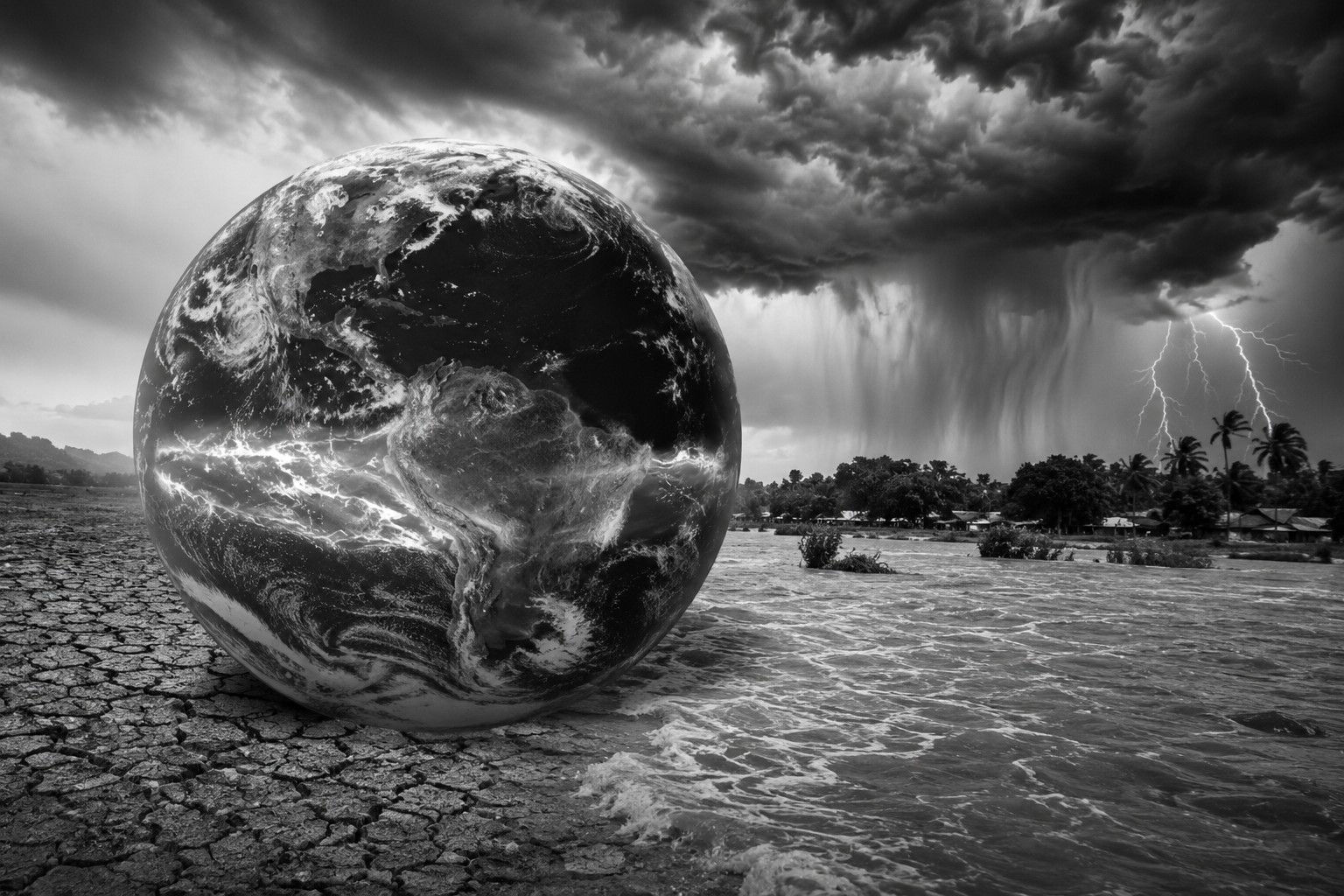
African governments are racing to prepare for what climate experts describe as a potentially “Godzilla” El Niño event, with warnings that severe flooding, prolonged drought, wildfires and crop failures could affect millions of people across the continent. With only a few months before the phenomenon is expected to reach peak intensity, authorities face mounting pressure to strengthen food security, protect infrastructure and improve disaster preparedness.
Extreme weather expected across the continent
El Niño is a naturally occurring climate pattern characterised by unusually warm sea surface temperatures in the central and eastern Pacific Ocean. While it originates thousands of kilometres away, its effects are felt worldwide, particularly in Africa.

Eastern Africa is expected to face above-average rainfall, increasing the likelihood of widespread flooding, landslides and damage to roads, bridges and homes. Countries including Kenya, Somalia, Ethiopia and Tanzania could see significant disruption if heavy rains persist.
Meanwhile, much of southern Africa may experience hotter and drier conditions, raising the risk of prolonged drought, water shortages and devastating wildfires.
Agriculture under threat
Agriculture remains the backbone of many African economies, employing a large share of the continent’s workforce and supporting hundreds of millions of livelihoods.
Climate specialists warn that changing rainfall patterns could significantly reduce harvests of staple crops such as maize, sorghum and wheat in drought-affected regions. Livestock production may also suffer as grazing land deteriorates and water becomes scarce.
Conversely, excessive rainfall in other regions could destroy crops through flooding, soil erosion and the spread of plant diseases, creating simultaneous food shortages in different parts of the continent.
Infrastructure and humanitarian challenges
Beyond agriculture, transport networks, energy infrastructure and urban communities are expected to face increasing pressure. Flooded roads and damaged bridges can isolate communities, delay emergency assistance and disrupt trade.
Public health risks may also increase, with standing water providing favourable conditions for mosquito-borne diseases such as malaria and dengue, while damaged sanitation systems raise concerns over outbreaks of waterborne illnesses.
Humanitarian agencies are urging governments to strengthen early warning systems, reinforce vulnerable infrastructure and pre-position emergency supplies before extreme weather intensifies.
Preparing for a changing climate
Scientists emphasise that while El Niño is a natural climate cycle, rising global temperatures caused by climate change are amplifying many of its impacts. Higher baseline temperatures can intensify droughts, increase evaporation and make extreme rainfall events more destructive.
With forecasts indicating that the coming months could bring exceptional weather extremes, governments across Africa are being encouraged to act quickly to protect food supplies, strengthen disaster response capabilities and build longer-term climate resilience.
For millions of people whose livelihoods depend directly on stable weather conditions, the coming El Niño season may become one of the continent’s most significant humanitarian and economic challenges in recent years.
Newshub Editorial in Africa – July 2, 2026

If you have an account with ChatGPT you get deeper explanations,
background and context related to what you are reading.
Open an account:
Open an account
Recent Comments