
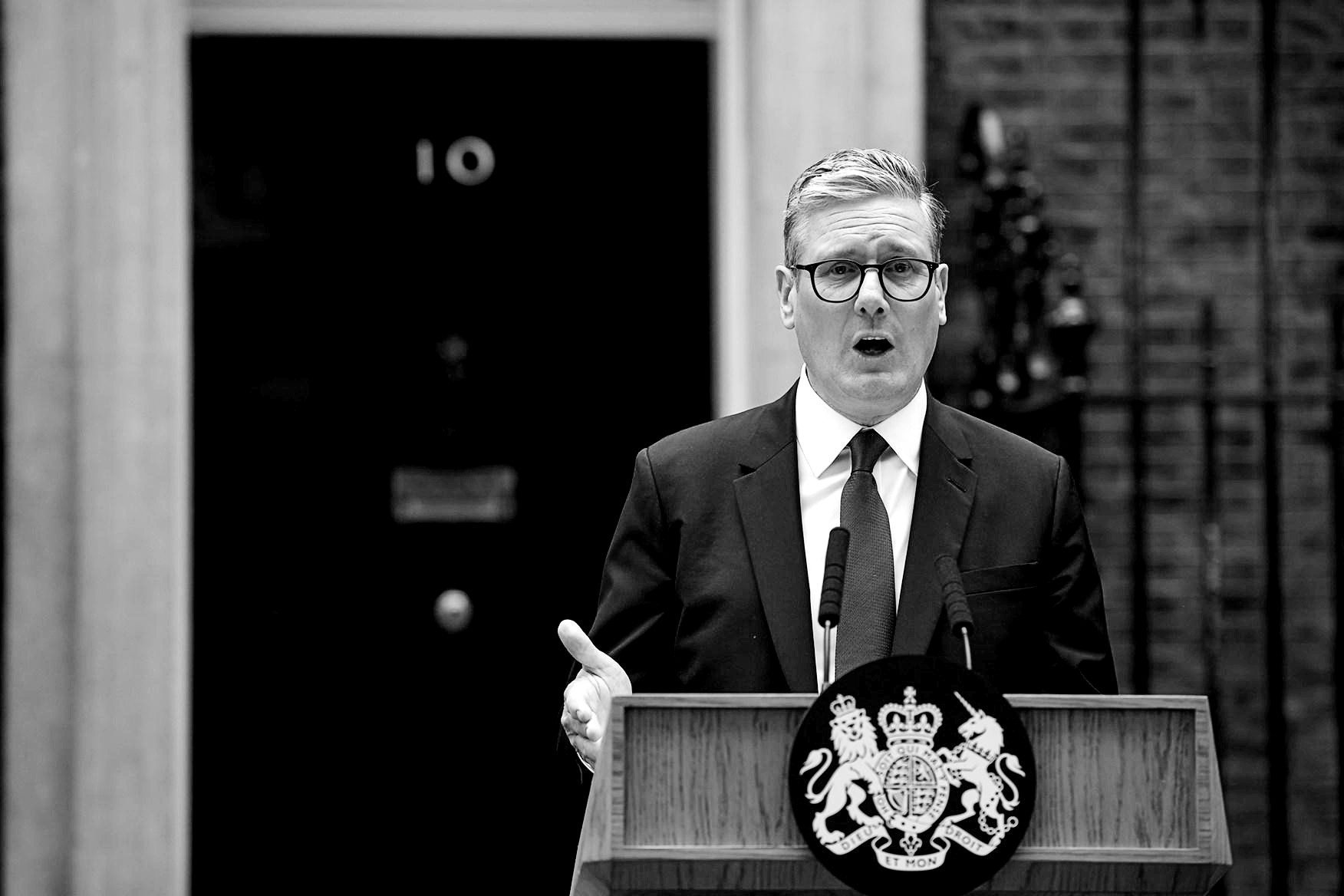
UK Prime Minister Sir Keir Starmer has announced that he intends to step down, bringing an abrupt end to a premiership that began with a landslide election victory less than two years ago. Speaking outside 10 Downing Street on Monday morning, Starmer confirmed that he would begin an orderly transition process, with an autumn departure expected to allow the Labour Party to elect a new leader without disrupting the work of government.
An orderly transition
Addressing the nation from Downing Street, Starmer said he believed stepping aside was in the country’s best interests after reflecting on growing political pressure and discussions with senior colleagues over the weekend. He stressed that the government would continue to function normally during the transition period and pledged to support an orderly transfer of power.
The announcement follows months of declining public approval ratings and increasing calls from within the Labour Party for a change in leadership after disappointing electoral performances and growing concerns over the government’s political direction.


Burnham emerges as favourite
Attention has now turned to Andy Burnham, who is widely regarded as the leading candidate to succeed Starmer following his recent return to Parliament. Burnham has secured significant backing among Labour MPs, although other senior figures, including Wes Streeting, are also expected to assess whether to enter the leadership contest.
Political observers believe Labour will seek to complete the transition quickly in order to minimise uncertainty and allow the incoming leader to establish authority before the party’s annual conference later this year.
Markets and allies watching closely
Financial markets reacted cautiously to the announcement as investors assessed the potential implications for fiscal policy and Britain’s economic agenda. Analysts noted that while a leadership transition introduces uncertainty, an orderly timetable reduces the likelihood of immediate market disruption.
International partners are also monitoring developments closely, particularly as the United Kingdom continues negotiations with the European Union and remains actively engaged in support for Ukraine and broader international security initiatives.
A defining political moment
Starmer’s decision makes him the latest British prime minister to leave office before completing a full parliamentary term, extending a period of remarkable political turnover in Westminster. His premiership will be remembered for efforts to restore stability after years of political turbulence, while also confronting economic pressures, public service challenges and an increasingly complex international environment.
With the leadership transition now formally under way, the Labour Party enters a new phase that will shape both its future and the direction of the United Kingdom in the years ahead. The coming weeks are expected to determine not only who succeeds Starmer, but also the policy priorities that Britain’s next prime minister will inherit.
Newshub Editorial in Europe – 22 June 2026

If you have an account with ChatGPT you get deeper explanations,
background and context related to what you are reading.
Open an account:
Open an accountUK Prime Minister Sir Keir Starmer has announced that he intends to step down, bringing an abrupt end to a premiership that began with a landslide election victory less than two years ago. Speaking outside 10 Downing Street on Monday morning, Starmer confirmed that he would begin an orderly transition process, with an autumn departure expected to allow the Labour Party to elect a new leader without disrupting the work of government.
Recent Comments