
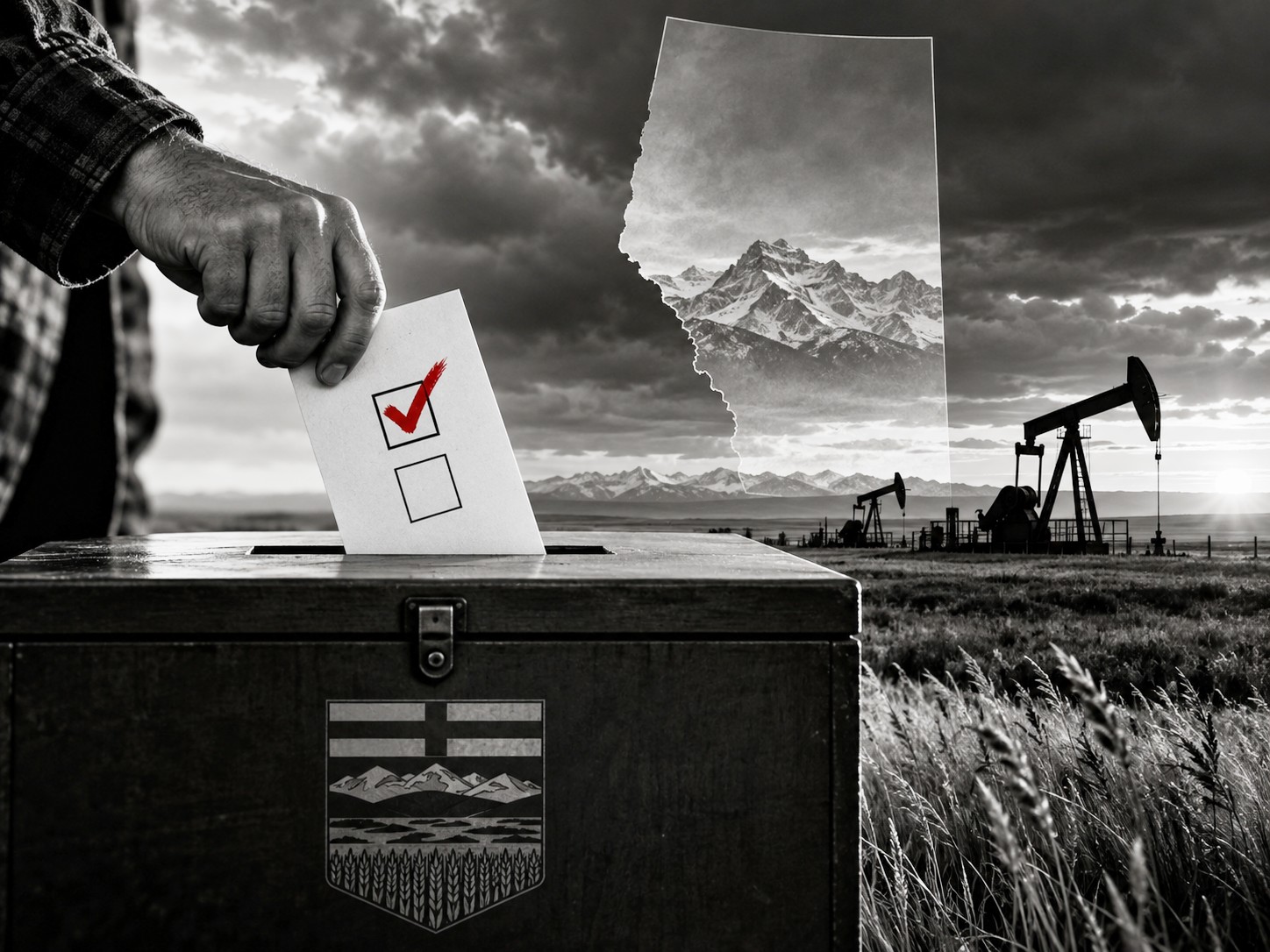
Voters in Canada’s oil-rich province of Alberta are heading to the polls on Monday, 19 October, in a referendum that could open the door to eventual independence. The vote does not itself decide whether Alberta will leave Canada, but it represents a significant test of national unity and the province’s increasingly strained relationship with Ottawa.
Oil wealth and political frustration
Alberta has long been an economic powerhouse, producing much of Canada’s oil and natural gas. Supporters of independence argue that federal energy regulations, environmental policies and the redistribution of tax revenues have prevented the province from fully benefiting from its natural resources.
The separatist movement has gained momentum following years of political disagreements with successive federal governments. Some campaigners envision an independent, low-tax Alberta controlling its own energy exports and economic policies.


Organisers also point to longstanding resentment over Ottawa’s influence and the perception that Alberta contributes more to the Canadian federation than it receives.
A referendum, not a declaration of independence
Monday’s ballot asks whether Alberta should remain part of Canada or begin the legal process towards a future binding referendum on separation.
Premier Danielle Smith, who called the vote amid pressure from separatist groups, has publicly supported remaining within Canada.
Prime Minister Mark Carney has campaigned for national unity, warning that separation could create serious economic uncertainty at a time when Canada faces growing international trade pressures.
Recent opinion surveys indicate that a substantial majority of Albertans prefer remaining Canadian. An Ipsos survey earlier this year found 72% supported staying in Canada, compared with 19% favouring a further independence referendum.
The economic consequences
Alberta’s energy industry makes the independence debate particularly significant for financial markets.
Separation would raise difficult questions about oil pipelines, international trade agreements, federal debt, currency arrangements and the movement of goods across provincial borders.
Indigenous communities have also challenged the separatist process, arguing that their treaty rights and constitutional status cannot be disregarded.
Even a vote favouring further independence negotiations would not automatically authorise secession. Canada’s constitutional framework requires negotiations involving the federal government and other constitutional stakeholders.
A defining political moment
The result will help establish whether separatism remains a minority political movement or develops into a more consequential constitutional dispute.
For Alberta, the referendum is about economic control and political identity. For Canada, it is another reminder that the relationship between its provinces and federal government remains central to the country’s future.
NewsHub Finance | Canada & Politics | 19 October 2026
Voters in Canada's oil-rich province of Alberta are heading to the polls on Monday, 19 October, in a referendum that could open the door to eventual independence. The vote does not itself decide whether Alberta will leave Canada, but it represents a significant test of national unity and the province's increasingly strained relationship with Ottawa.
Recent Comments