
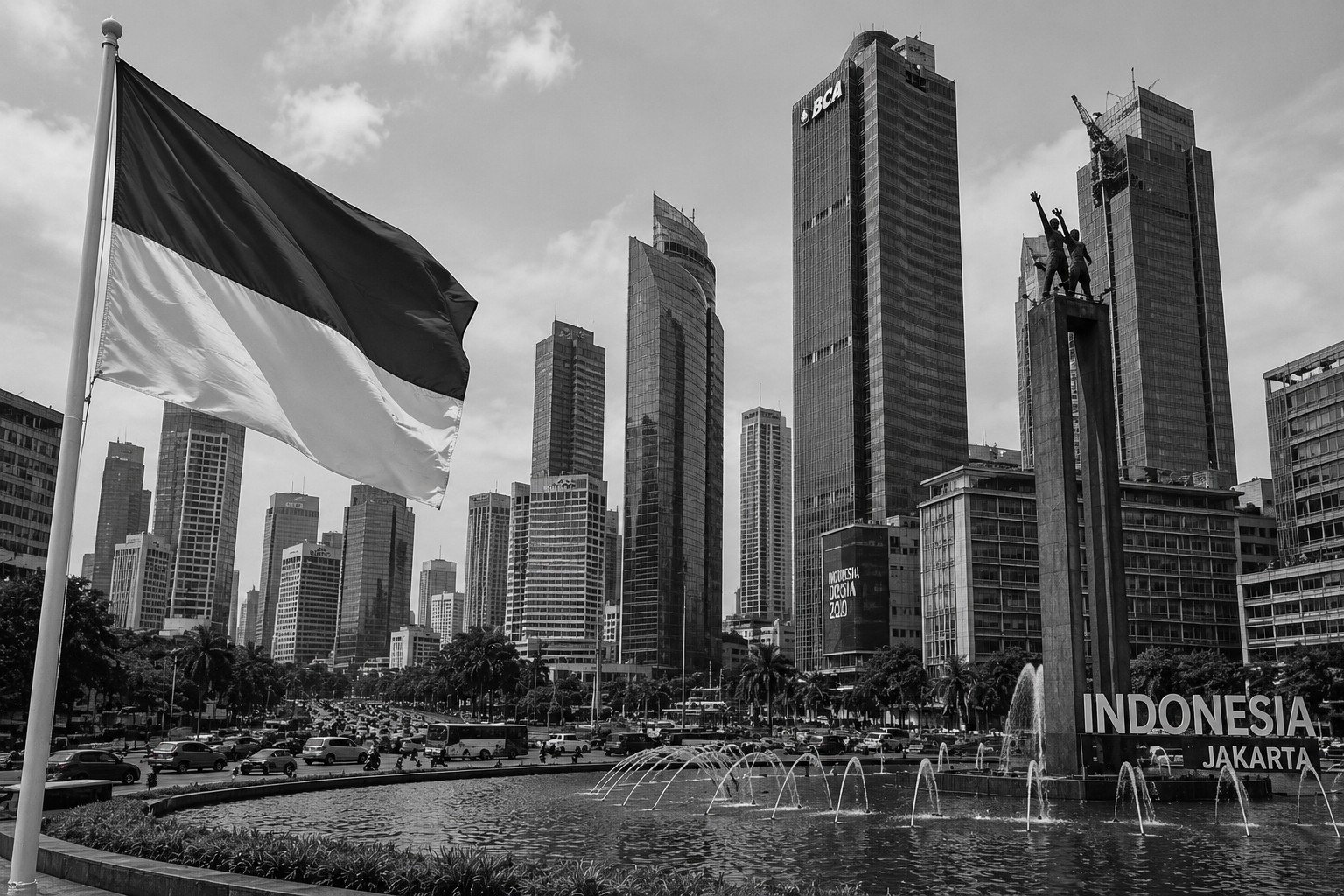
Indonesia has defended its regulatory framework after concerns were raised by several Chinese investors regarding licensing procedures, local ownership requirements and industrial compliance rules. Indonesian officials insist that the country remains open to foreign investment while maintaining policies designed to protect national interests, strengthen domestic industry and secure long-term economic stability. The debate highlights growing tensions between rapid industrial expansion and sovereign regulatory control across emerging markets.
Government insists policies support long-term growth
Indonesian authorities have stated that current regulations are intended to create sustainable economic development rather than discourage international investment. Officials argue that industrial rules linked to mining, manufacturing and downstream processing are necessary to ensure that more value creation remains inside the country.
The government has repeatedly emphasised its ambition to transform Indonesia from a raw commodity exporter into a major industrial and manufacturing hub. This strategy includes encouraging domestic processing of critical minerals such as nickel, copper and bauxite, all of which are central to global electric vehicle and battery supply chains.

Officials maintain that foreign companies operating within Indonesia are expected to contribute to local employment, infrastructure development and technology transfer.
Chinese investors seek greater flexibility
Several Chinese companies involved in mining, smelting and industrial development have reportedly expressed concerns regarding permitting procedures, environmental approvals and shifting compliance requirements. Investors are particularly focused on operational predictability, ownership structures and export regulations.
China has become one of Indonesia’s most important economic partners during the past decade, with substantial investment flowing into industrial parks, mineral processing facilities and infrastructure projects. Chinese firms have played a major role in financing Indonesia’s downstream nickel industry, which has become strategically important for the global electric vehicle market.
Despite the concerns, many Chinese companies continue expanding operations in Indonesia due to the country’s vast resource base and long-term market potential.
Balancing sovereignty and foreign capital
Indonesia’s leadership appears determined to balance foreign investment with economic sovereignty. Policymakers argue that emerging economies must avoid becoming overly dependent on external capital without securing broader national economic benefits.
The government has also defended local content requirements and export restrictions as tools to strengthen domestic industrial capability. Similar policies have increasingly appeared across emerging markets as governments attempt to capture more value from natural resources and strategic industries.
Analysts note that Indonesia’s position reflects a broader global trend in which countries seek greater control over supply chains linked to energy transition materials and critical minerals.
Strong economic fundamentals remain attractive
Despite regulatory debates, Indonesia continues to attract international investor interest due to its large population, expanding middle class and abundant natural resources. The country remains one of Southeast Asia’s most significant growth markets, with strong long-term demand expected in infrastructure, manufacturing, digital services and consumer sectors.
Financial markets are closely watching how Indonesia manages its relationships with major international investors while maintaining political and economic independence. Any prolonged uncertainty surrounding industrial regulations could influence future investment flows, particularly in strategic sectors tied to electric vehicles and energy infrastructure.
However, many analysts believe Indonesia’s overall economic position remains strong due to its resource advantages and growing regional importance within global supply chains.
Newshub Editorial in Asia – 17 May 2026

If you have an account with ChatGPT you get deeper explanations,
background and context related to what you are reading.
Open an account:
Open an accountIndonesia has defended its regulatory framework after concerns were raised by several Chinese investors regarding licensing procedures, local ownership requirements and industrial compliance rules. Indonesian officials insist that the country remains open to foreign investment while maintaining policies designed to protect national interests, strengthen domestic industry and secure long-term economic stability. The debate highlights growing tensions between rapid industrial expansion and sovereign regulatory control across emerging markets.
Recent Comments