
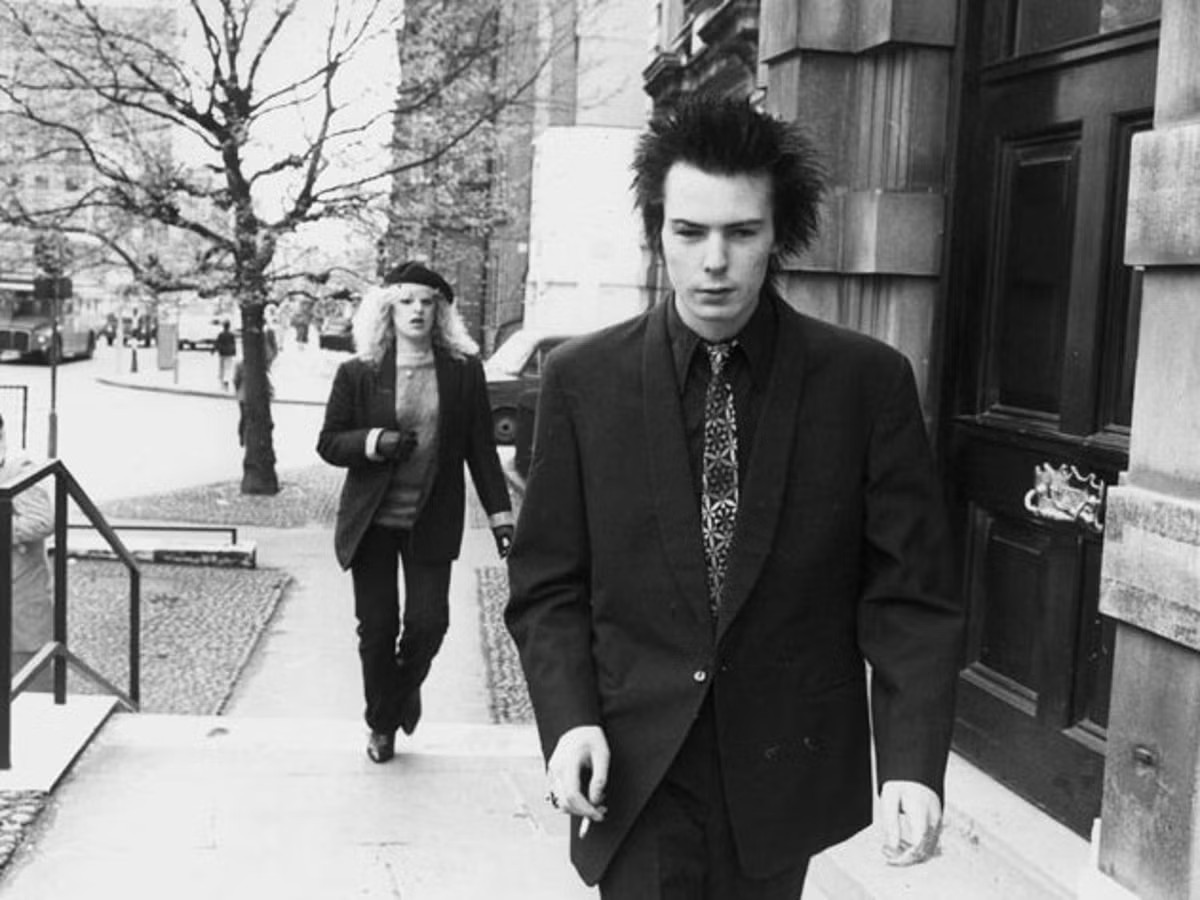
In the late 1970s, a cultural revolution ignited in the heart of London, shaking the foundations of the music industry and giving birth to the punk rock movement. At the forefront of this revolution were the Sex Pistols, a band that epitomized the raw, rebellious spirit of punk. Among its infamous members was the enigmatic and tragic figure, Sid Vicious.
Sid Vicious, born John Simon Ritchie, joined the Sex Pistols in 1977 as the bassist, replacing Glen Matlock. His arrival marked a turning point for the band, as his punk ethos and chaotic lifestyle perfectly embodied the anti-establishment sentiments of the movement. Vicious became the face of punk rebellion, with his spiked hair, torn clothes, and snarling attitude, encapsulating the anger and disillusionment of a generation.
The Sex Pistols, fronted by Johnny Rotten, rose to fame with their provocative lyrics and disruptive performances. Their debut single, “Anarchy in the U.K.,” set the stage for a cultural insurgency that challenged societal norms. The band’s confrontational style and Sid Vicious’s chaotic stage presence made them the voice of a disenchanted youth seeking an outlet for their frustrations.


However, the Sex Pistols’ meteoric rise was accompanied by controversy and chaos. Infamous for their on-stage antics and off-stage antics, the band quickly became a lightning rod for criticism and censorship. The climax of this turmoil was the release of “God Save the Queen,” a punk anthem that critiqued the monarchy and triggered a fierce backlash from the establishment.
Sid Vicious’s personal life was as tumultuous as the band’s public image. His relationship with Nancy Spungen, a troubled American groupie, became a symbol of the excesses and self-destructive tendencies associated with the punk lifestyle. Tragically, the narrative took a dark turn when Nancy Spungen was found dead, allegedly murdered by Vicious in 1978.
The Sex Pistols disbanded shortly after, marking the end of an era. Sid Vicious’s life spiraled further into tragedy when he was arrested and charged with Nancy’s murder. Before the trial could conclude, Vicious died of a heroin overdose in 1979, casting a shadow over the punk movement’s legacy.
Sid Vicious and the Sex Pistols, in their short-lived but impactful existence, left an indelible mark on the music and cultural landscape. Their rebellious spirit, disdain for authority, and unapologetic expression paved the way for future generations of punk and alternative musicians, solidifying their status as icons of a countercultural revolution that continues to resonate today.

In the late 1970s, a cultural revolution ignited in the heart of London, shaking the foundations of the music industry and giving birth to the punk rock movement. At the forefront of this revolution were the Sex Pistols, a band that epitomized the raw, rebellious spirit of punk. Among its infamous members was the enigmatic and tragic figure, Sid Vicious.
Recent Comments