
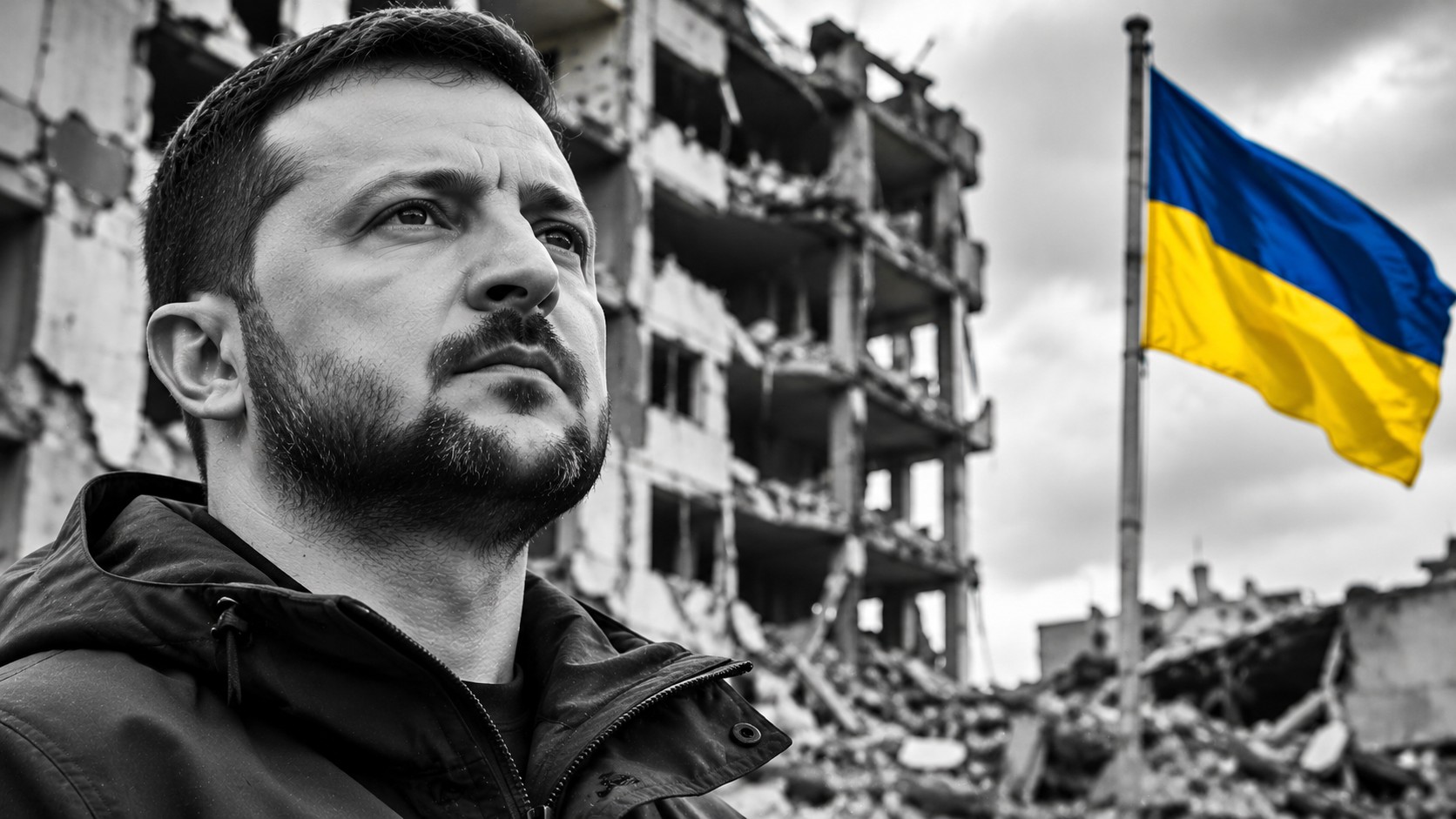
Ukraine is preparing for a new round of US-mediated peace negotiations with Russia in Abu Dhabi on Tuesday, 10 November, as renewed missile and drone attacks threaten civilian infrastructure ahead of winter. The two-day discussions represent another attempt to end more than four years of war, but significant disagreements over occupied territories, security guarantees and Ukraine’s future relationship with NATO continue to complicate prospects for a settlement.
Three-way negotiations resume in Abu Dhabi
Representatives from Ukraine, Russia and the United States are scheduled to meet in the United Arab Emirates on Tuesday and Wednesday.


The negotiations will mark the first direct trilateral discussions since February.
US Secretary of State Marco Rubio has indicated that progress has been made towards establishing possible post-war security guarantees for Ukraine.
American envoys Steve Witkoff and Jared Kushner are expected to participate, alongside senior officials representing the two countries.
European governments are also seeking involvement in discussions that could fundamentally reshape the continent’s security arrangements.
Territorial demands remain the greatest obstacle
Russian President Vladimir Putin continues to demand Ukrainian withdrawal from four regions claimed by Moscow, restrictions on Ukraine’s military capabilities and guarantees that the country will not join NATO.
Ukrainian President Volodymyr Zelenskyy has repeatedly rejected surrendering territory and maintains that a ceasefire should precede negotiations on a lasting settlement.
Kyiv is seeking security commitments comparable to NATO’s collective defence guarantees.
These fundamentally different positions have prevented previous negotiations from producing a meaningful breakthrough.
Russian attacks increase pressure before winter
Meanwhile, Russia has intensified attacks on Ukraine’s electricity infrastructure, raising concerns about heating and power supplies as temperatures fall.
Recent missile strikes have damaged residential buildings and civilian facilities in Kyiv and surrounding areas.
Ukraine’s energy network has already suffered extensive damage during the conflict, requiring substantial international assistance to maintain electricity generation and distribution.
The continuing attacks have reinforced Kyiv’s demands for additional air-defence systems and stronger Western military support.
European governments seek greater influence
France, Germany, Britain and European Union representatives are pressing for a stronger role in the peace process.
European leaders are particularly concerned that any agreement negotiated primarily between Washington and Moscow could weaken regional security or leave Ukraine vulnerable to renewed aggression.
Reconstruction financing, military guarantees and the future of European defence cooperation are expected to feature prominently in subsequent negotiations.
Peace prospects remain uncertain
The Abu Dhabi meeting offers a renewed diplomatic opportunity, but expectations remain cautious.
Neither side has indicated a willingness to make the territorial concessions necessary for a comprehensive settlement.
For Ukraine, the immediate priorities remain protecting civilian infrastructure, maintaining international support and securing guarantees against future attacks.
The coming negotiations will test whether diplomacy can establish a credible path towards ending a conflict that has transformed Europe’s security and economic landscape.
NewsHub Finance | Ukraine | 9 November 2026
Ukraine is preparing for a new round of US-mediated peace negotiations with Russia in Abu Dhabi on Tuesday, 10 November, as renewed missile and drone attacks threaten civilian infrastructure ahead of winter. The two-day discussions represent another attempt to end more than four years of war, but significant disagreements over occupied territories, security guarantees and Ukraine's future relationship with NATO continue to complicate prospects for a settlement.

Recent Comments