
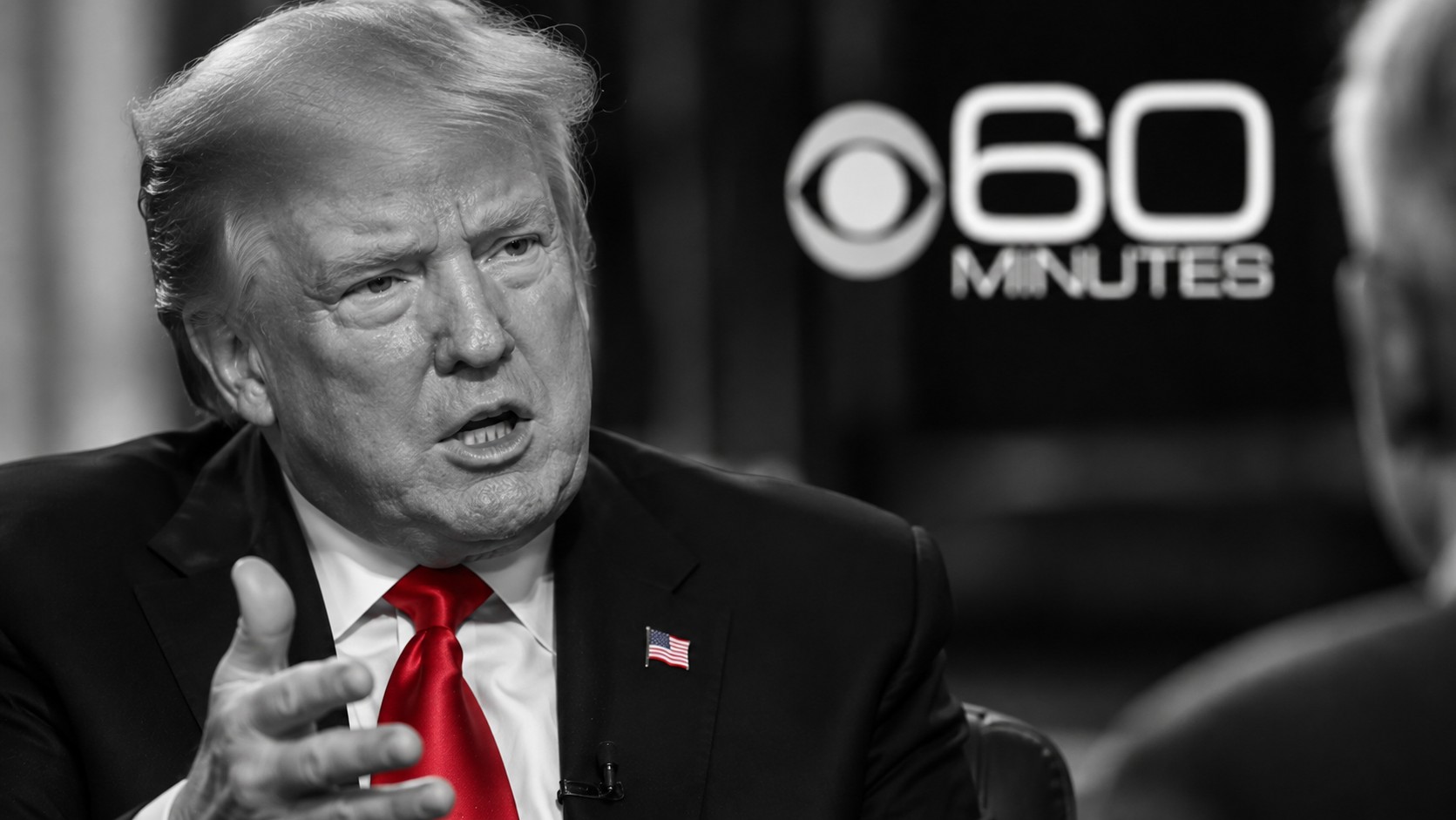
US President Donald Trump has acknowledged that his administration’s aggressive deportation policies may have gone too far and contributed to the Republican Party’s substantial losses in the midterm elections. Speaking in an interview with CBS’s 60 Minutes, broadcast on Sunday, 8 November, Trump made the unusual admission that one of the defining policies of his second presidency had become a political liability, while suggesting that he could negotiate an immigration compromise with Democrats.
President acknowledges political consequences
During the interview with correspondent Ross Douthat, Trump defended his administration’s border security measures but admitted that mass deportations had created growing public opposition.


He acknowledged that immigration enforcement had affected people who had lived and worked in the United States for many years, including employees in hotels, restaurants and landscaping businesses.
Trump said his approach had been “too tough” and suggested that deporting otherwise law-abiding workers had damaged his political standing.
The comments represented a significant departure from his previous public defence of aggressive immigration enforcement.
Midterm elections expose voter dissatisfaction
Republicans suffered substantial losses in the 3 November elections, losing control of both chambers of Congress.
Immigration emerged as an important issue, particularly among Latino voters who had previously supported Trump.
According to election polling reported by CBS, approximately 58% of voters believed the administration’s immigration enforcement had gone too far.
Trump maintained that his policies had successfully strengthened border security but acknowledged that the broader deportation programme had generated opposition.
Possible compromise with Democrats
The president suggested that he would consider negotiations allowing certain undocumented immigrants to remain in the United States.
He referred specifically to people who had worked, paid taxes and established lives in the country over periods of 10 to 15 years.
However, he provided no detailed legislative proposal or timetable for potential negotiations.
Stephen Miller appointment raises questions
The president’s comments came shortly after his decision to appoint Stephen Miller as White House chief of staff, replacing Susie Wiles.
Miller has been one of the principal architects of the administration’s strict immigration policies.
His promotion raises questions about whether Trump’s remarks signal a genuine policy adjustment or primarily reflect the political consequences of the midterm defeat.
Immigration policy enters a new phase
With Democrats preparing to take control of Congress, the administration faces increased scrutiny over immigration enforcement and the activities of federal agencies.
Any substantial reform would require difficult negotiations between political factions with sharply differing positions on border security and immigrant protections.
Trump’s comments suggest a willingness to reconsider aspects of his approach, but whether that translates into meaningful legislative change remains uncertain.
NewsHub Finance | US Politics | 9 November 2026
US President Donald Trump has acknowledged that his administration's aggressive deportation policies may have gone too far and contributed to the Republican Party's substantial losses in the midterm elections. Speaking in an interview with CBS's 60 Minutes, broadcast on Sunday, 8 November, Trump made the unusual admission that one of the defining policies of his second presidency had become a political liability, while suggesting that he could negotiate an immigration compromise with Democrats.

Recent Comments