
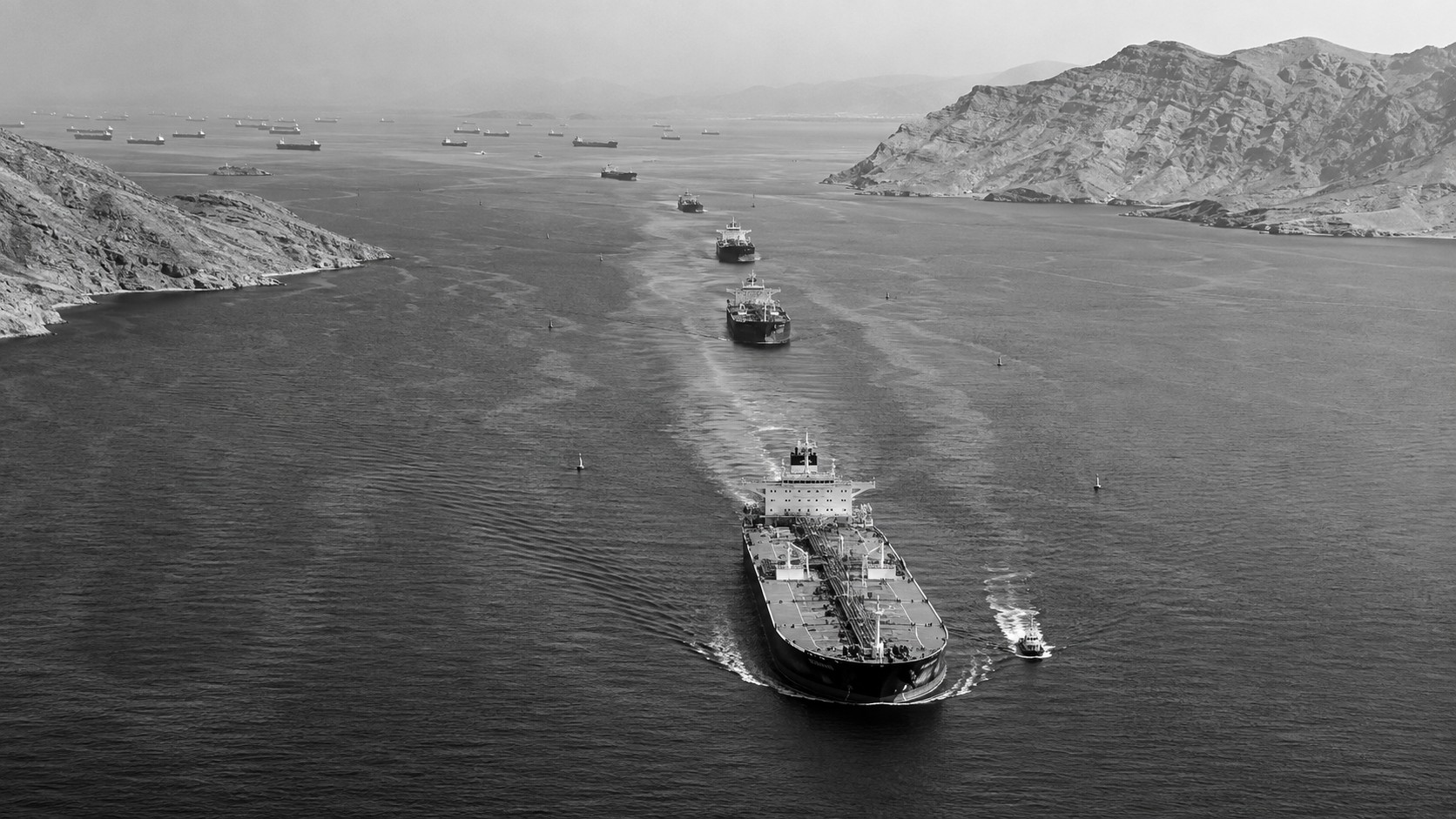
Iran and Oman have agreed on the geographical coordinates of a proposed commercial shipping route through the Strait of Hormuz, according to Iran’s foreign ministry. The development represents potentially significant progress towards restoring safer maritime traffic through one of the world’s most important energy corridors, although Tehran warned that the agreement would not by itself guarantee security.
Joint announcement being prepared
Iranian foreign ministry spokesperson Esmaeil Baghaei said discussions between Tehran and Muscat had moved forward constructively and that both sides were completing the text of a joint announcement.
The agreement currently covers the location and coordinates of the proposed navigation route. Important operational details, including responsibility for monitoring vessels, security arrangements and the division of authority between Iran and Oman, are still being reviewed.

Baghaei said the announcement could proceed provided that third countries did not interfere. He did not identify the countries concerned, but Iran has repeatedly criticised the presence and activities of US naval forces around the strait.
Agreement does not guarantee safe passage
The Iranian spokesperson cautioned that selecting a route would not automatically make the waterway safe for commercial vessels. Tehran continues to argue that the American naval blockade of Iranian ports and wider US military activity in the region remain threats to maritime security.
The United States maintains that commercial vessels should enjoy free international passage through the strait. Washington has opposed any arrangement that could give Iran unilateral control over shipping movements or allow Tehran to impose compulsory transit charges.
Iran and Oman are reportedly considering an arrangement under which the two countries would coordinate different sections of the shipping corridor. However, officials familiar with the negotiations have indicated that the final distribution of responsibility has not yet been settled.
Hormuz remains essential to global energy
The Strait of Hormuz connects the Gulf with the Gulf of Oman and the Arabian Sea. Before the latest disruption, approximately one-fifth of the world’s oil passed through the narrow waterway, alongside substantial volumes of liquefied natural gas.
Saudi Arabia, the United Arab Emirates, Kuwait, Qatar, Bahrain and Iraq all depend heavily on the strait for energy exports. Extended disruption has forced vessels to remain anchored, increased insurance and freight costs and reduced Gulf crude shipments.
Commercial traffic has remained far below normal levels during the conflict, despite earlier temporary arrangements intended to restore passage. Shipowners continue to require clearer security guarantees before committing valuable tankers and cargo vessels to the route.
Oil prices respond cautiously
Oil prices declined modestly as investors considered the possibility of a shipping agreement. Brent crude fell to approximately $79.12 a barrel, while US West Texas Intermediate traded near $74.80.
The restrained movement suggested that energy markets remain cautious. Previous diplomatic announcements have failed to produce a lasting restoration of normal shipping, while continuing military activity around the Gulf, Red Sea and neighbouring countries has maintained a substantial risk premium.
Oman continues its mediation role
Oman has historically served as an intermediary between Iran and Western governments. Its geographic position on the southern side of the Strait of Hormuz also gives Muscat a direct interest in maintaining safe and predictable navigation.
US President Donald Trump has suggested that a broader agreement may be close, but Iranian and regional officials have said significant issues remain unresolved. Tehran has also denied that it is currently conducting direct negotiations with Washington, describing the present discussions as an arrangement between Iran and Oman.
Implementation will determine the impact
The agreement on coordinates provides a practical foundation for further negotiations, but shipping companies will require evidence that vessels can travel without attacks, seizure, mines or military confrontation.
A formal announcement, credible enforcement arrangements and acceptance by international maritime operators will therefore be essential. Until those conditions are established, the agreement remains an important diplomatic step rather than a complete reopening of the Strait of Hormuz.
Newshub Editorial in Asia – 6 August 2026

Ask NF GPT
If you have an account with ChatGPT you get deeper explanations,
background and context related to what you are reading.
Recent Comments