
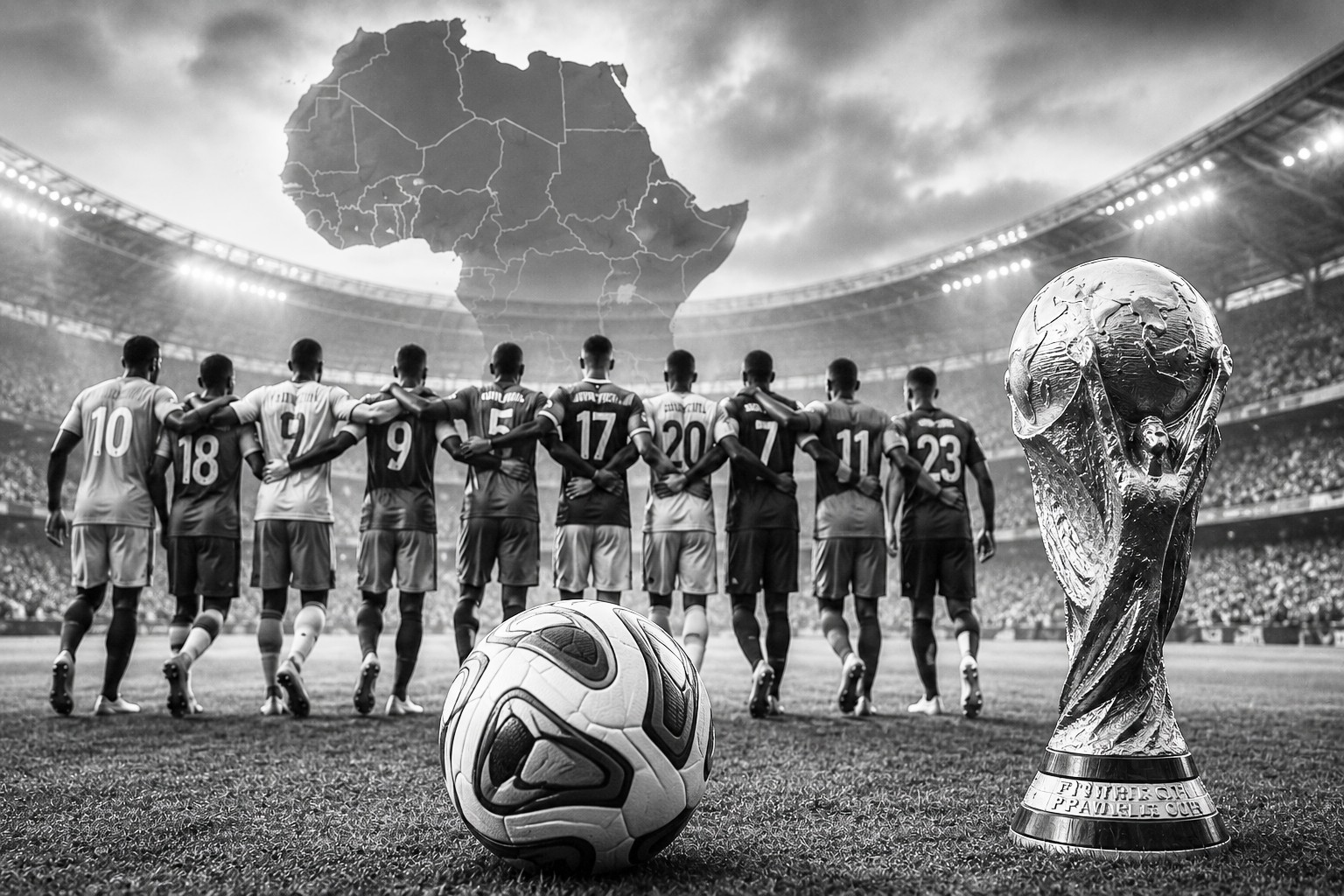
Africa is set to make football history at the FIFA World Cup 2026, with a record ten nations qualifying for the tournament across the United States, Mexico and Canada. The expanded competition marks the continent’s largest-ever representation on football’s biggest stage and guarantees a significant financial windfall for every participating nation, reinforcing both the sporting and economic importance of this year’s event.
A historic milestone for African football
The expansion of the FIFA World Cup to 48 teams has opened the door for greater continental representation, and no region stands to benefit more than Africa. For the first time, ten African nations will compete at the finals, showcasing the continent’s growing strength, depth and competitiveness.
The larger African presence reflects years of investment in youth academies, domestic leagues and coaching development. It also provides a valuable opportunity for emerging football nations to gain experience against the world’s elite while increasing global exposure for African players, clubs and football associations.

The tournament is expected to attract billions of viewers worldwide, giving African football an unprecedented platform to demonstrate its continued progress.
Financial rewards extend beyond the pitch
Qualification also brings substantial financial benefits. According to reported figures, each African nation will receive a minimum of $12.5 million from FIFA.
Approximately $2.5 million will be allocated to tournament preparation, including training camps, logistics, medical support and travel expenses. A further $10 million will be awarded simply for qualifying, providing national football federations with significant new resources.
For many African associations, these funds represent one of the largest single injections of football-related revenue they have ever received. If managed effectively, the income could support long-term investment in youth development, coaching education, football infrastructure and grassroots programmes well beyond the World Cup itself.
Teams progressing into the knockout stages will earn additional prize money, creating even greater financial incentives.
Raising expectations on the global stage
African football has steadily strengthened its reputation over recent decades. Morocco’s historic run to the semi-finals of the 2022 FIFA World Cup demonstrated that African nations are capable of competing with the world’s traditional football powers.
With ten representatives now participating, expectations have risen that multiple African teams could advance deep into the tournament. Several squads feature experienced players competing in Europe’s leading domestic leagues, combining technical quality with growing tactical maturity.
The increased number of participants also improves the continent’s overall chances of producing another breakthrough performance while providing valuable tournament experience for younger generations of players.
An opportunity beyond football
The expanded World Cup offers Africa more than sporting recognition. It provides an opportunity to promote tourism, strengthen international partnerships and enhance the global visibility of participating countries.
Success at the tournament can generate lasting economic benefits through increased investment, stronger sporting brands and greater international attention. As football continues to grow as both a commercial industry and a cultural force, Africa’s record representation highlights the continent’s increasingly important role within the global game.
For African supporters, players and football administrators alike, the FIFA World Cup 2026 represents far more than a tournament. It marks a milestone that could help shape the next chapter of African football for years to come.
Newshub Editorial in Africa – 13 June 2026

If you have an account with ChatGPT you get deeper explanations,
background and context related to what you are reading.
Open an account:
Open an account
Recent Comments