
Following the death of his half-brother, King Khalid, in June 1982, Crown Prince Fahd bin Abdulaziz Al Saud ascended the throne of Saudi Arabia, marking the beginning of one of the most influential reigns in the kingdom’s modern history. As the fifth monarch of the Saudi state, Fahd inherited a nation experiencing rapid economic growth, expanding global influence, and increasing geopolitical importance following the oil boom of the 1970s.
A smooth transition of power
King Khalid died of a heart attack on 13 June 1982 after nearly seven years on the throne. His death triggered a smooth constitutional succession within the House of Saud, with his half-brother King Fahd immediately becoming king.
Having served as Crown Prince and previously as Interior Minister and Deputy Prime Minister, Fahd was already deeply involved in the administration of the kingdom. His extensive government experience ensured continuity during the leadership transition.

Modernisation and economic expansion
King Fahd oversaw a period of substantial infrastructure investment and economic diversification. Massive oil revenues financed new highways, airports, universities, hospitals and industrial cities across the kingdom.
Saudi Arabia continued expanding its influence within global energy markets through Organization of the Petroleum Exporting Countries while strengthening strategic partnerships with Western nations, particularly the United States.
Fahd also introduced significant administrative reforms designed to modernise government institutions while maintaining the country’s traditional political and religious framework.
Custodian of the Two Holy Mosques
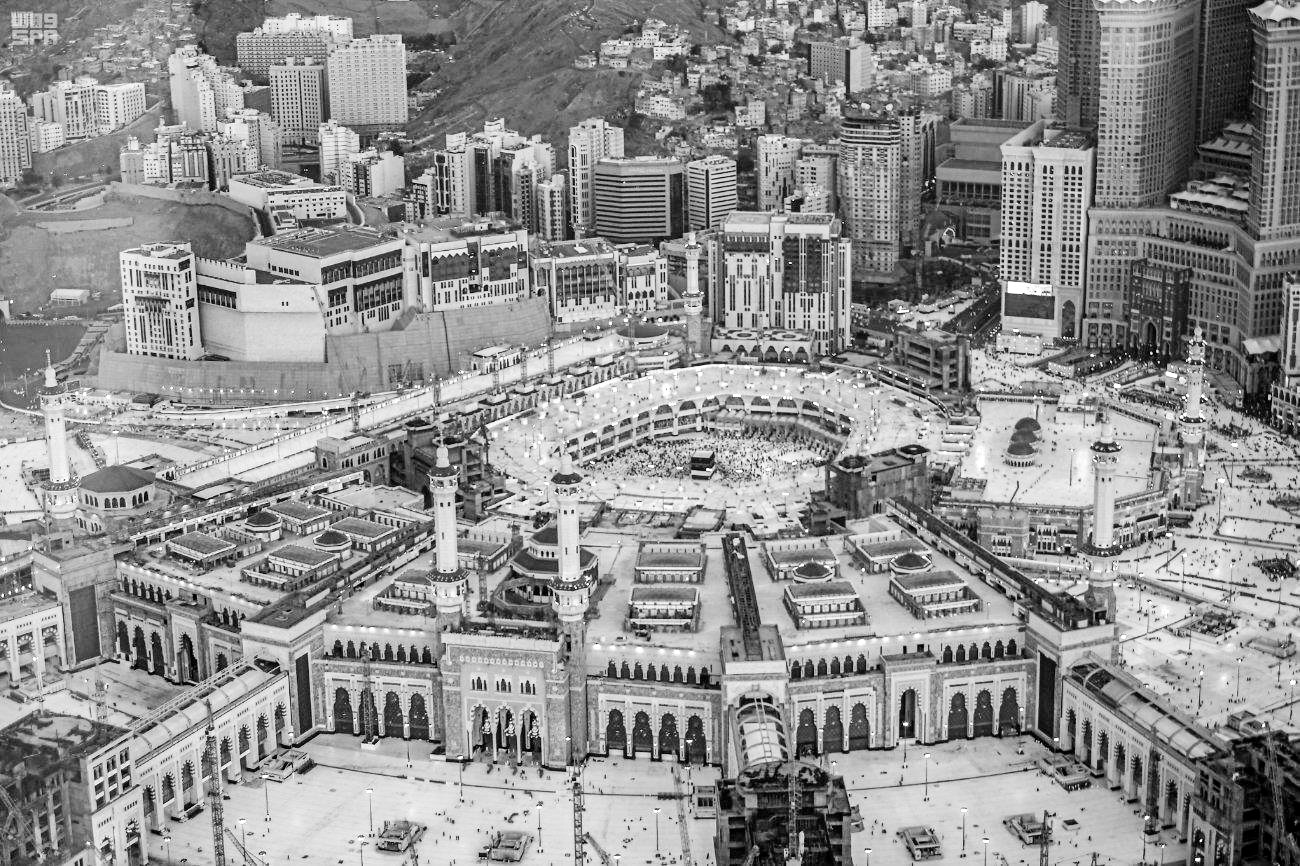
One of Fahd’s most enduring legacies came in 1986 when he adopted the title “Custodian of the Two Holy Mosques,” reflecting Saudi Arabia’s role as guardian of Islam’s two holiest sites in Mecca and Medina.
Under his leadership, extensive expansion projects transformed both holy mosques, allowing millions more Muslim pilgrims to perform the annual Hajj and Umrah pilgrimages safely and efficiently.
The title has since been retained by subsequent Saudi monarchs and remains a defining symbol of the kingdom’s religious leadership.
Regional challenges
Fahd’s reign coincided with several major regional crises, including the Iran–Iraq War and the Gulf War following Iraq’s invasion of Kuwait.
Saudi Arabia became a central member of the international coalition that expelled Iraqi forces from Kuwait, allowing coalition troops to operate from Saudi territory. The decision significantly strengthened security cooperation with Western allies but also generated domestic debate that would influence regional politics for years to come.
A lasting legacy
King Fahd remained on the throne for nearly 23 years, making him one of Saudi Arabia’s longest-serving monarchs. Following a series of health issues during the late 1990s and early 2000s, Crown Prince Abdullah bin Abdulaziz Al Saud gradually assumed many day-to-day responsibilities before formally succeeding Fahd upon his death in 2005.
Historians generally regard Fahd’s reign as a pivotal period in Saudi Arabia’s development, characterised by large-scale modernisation, expanded international influence and continued consolidation of the kingdom’s position as both a global energy power and the spiritual centre of the Islamic world.
Newshub Editorial in Asia – 13 June 2026

If you have an account with ChatGPT you get deeper explanations,
background and context related to what you are reading.
Open an account:
Open an account
Recent Comments