
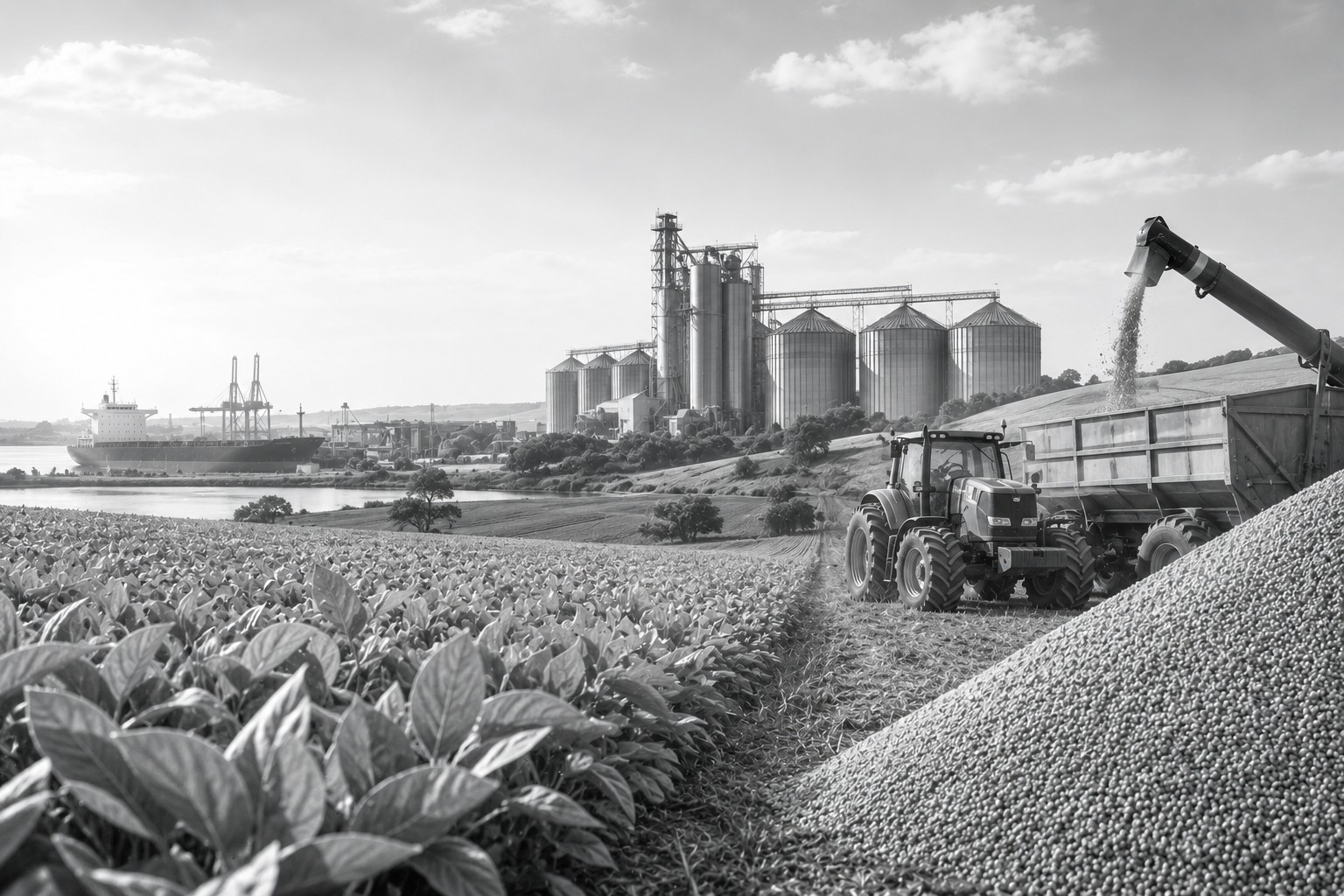
Brazilian agribusiness conglomerate Amaggi has entered the growing market for sustainability-linked rural debt instruments, becoming the latest major agricultural company to issue rural notes designed to provide incentives for both investors and issuers. The move follows similar initiatives by leading Brazilian exporters and forestry companies, reflecting the increasing integration of environmental, social, and governance (ESG) principles into Latin America’s capital markets.
Expanding access to sustainable finance
Amaggi’s debut issuance marks another step in the evolution of Brazil’s rural credit market, one of the most important sources of financing for the country’s vast agricultural sector. Rural notes have become an increasingly popular mechanism for attracting investment while supporting agricultural production and infrastructure development.
The latest offering incorporates sustainability-linked features intended to align financial incentives with environmental and operational performance targets. Such structures have gained traction globally as investors seek opportunities that combine financial returns with measurable sustainability outcomes.

Part of a broader market trend
The transaction follows similar bond issuances by Brazilian companies including major pulp and paper producers that have successfully tapped international and domestic investors interested in sustainable finance products.
These instruments often include performance metrics tied to environmental stewardship, emissions reductions, land management practices, or broader sustainability objectives. Meeting predefined targets can result in financial benefits for issuers, while investors gain exposure to companies demonstrating commitment to responsible business practices.
Brazil has emerged as one of the most active markets for sustainable agricultural finance, reflecting both the importance of agribusiness to the national economy and growing investor demand for ESG-linked assets.
Agribusiness remains central to Brazil’s economy
Agriculture continues to play a critical role in Brazil’s economic growth, export performance, and employment. The country is among the world’s largest exporters of soybeans, corn, cotton, coffee, beef, and several other commodities.
As global demand for food and agricultural products continues to increase, access to efficient financing mechanisms is becoming increasingly important for producers and agribusiness operators seeking to expand capacity and improve productivity.
Industry observers note that sustainable financing structures may help channel additional capital into the sector while encouraging responsible land-use practices and operational transparency.
Investor appetite remains strong
Demand for sustainability-linked debt instruments has remained resilient despite periods of volatility in global financial markets. Institutional investors, pension funds, and asset managers increasingly view ESG-linked securities as an important component of diversified portfolios.
For issuers such as Amaggi, the ability to access capital through innovative financing structures may provide a competitive advantage while strengthening relationships with international investors.
Looking ahead
Amaggi’s entry into the rural notes market highlights the growing convergence of agriculture, sustainability, and capital markets. As environmental considerations become increasingly important to investors and regulators, similar instruments are expected to play a larger role in financing the future development of Brazil’s agricultural sector.
The transaction also reinforces Brazil’s position as a key laboratory for sustainable finance innovation within emerging markets.
Newshub Editorial in South America – 11 June 2026

If you have an account with ChatGPT you get deeper explanations,
background and context related to what you are reading.
Open an account:
Open an account
Recent Comments