
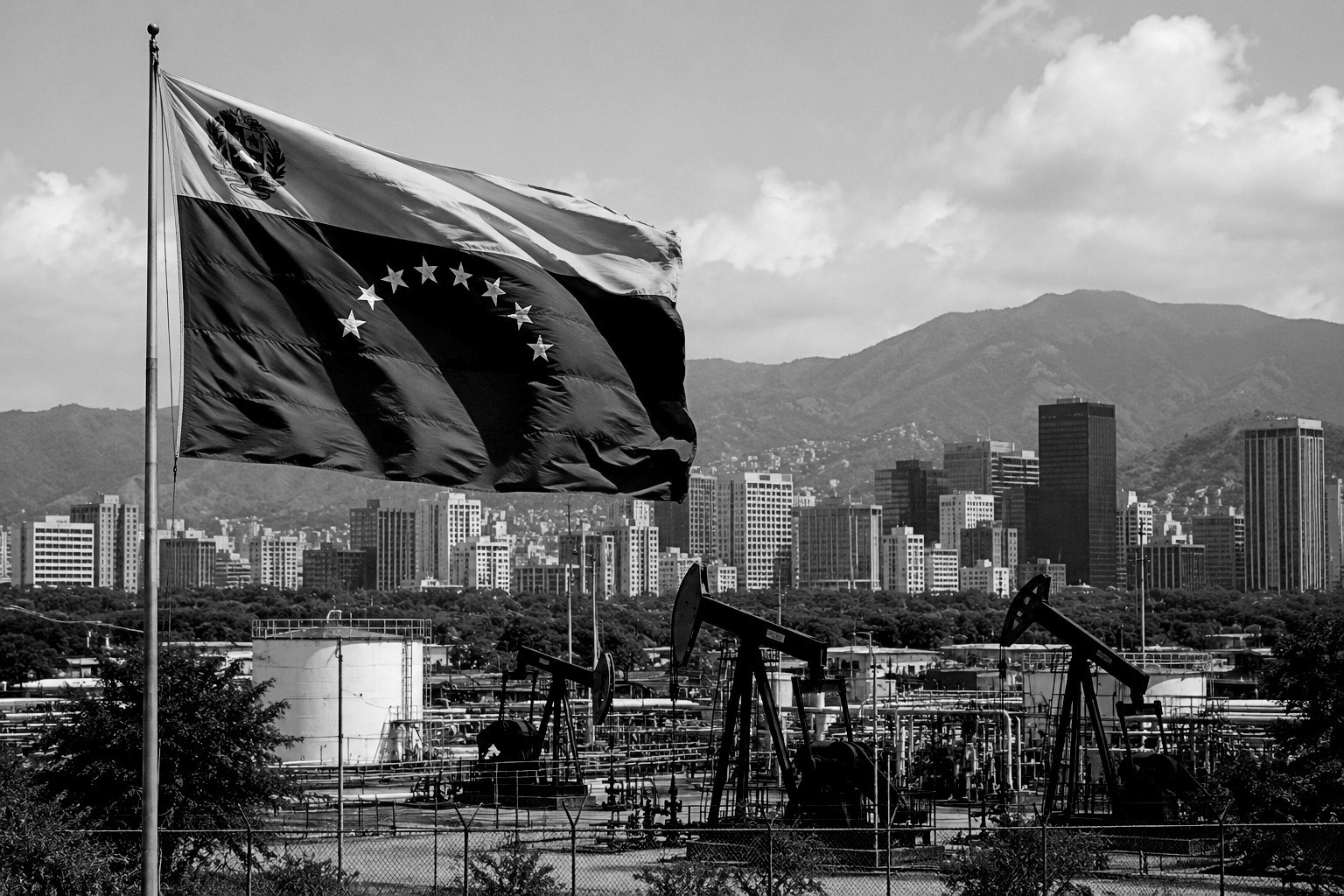
International investors are increasingly turning their attention toward Venezuela following the launch of one of the world’s largest sovereign debt restructuring efforts, with financial markets reacting positively to signs of economic reopening and renewed engagement with the United States. Yet behind the growing enthusiasm lies an extraordinarily complex restructuring process involving more than $150 billion in liabilities, political uncertainty and major legal risks.
Debt overhaul reignites investor interest
Venezuela has formally begun restructuring its sovereign debt and the obligations of state oil company PDVSA after years of default and financial isolation. The country has remained largely shut out of international capital markets since 2017, when sanctions and economic collapse pushed Caracas into one of the largest sovereign default situations in modern history.
Recent moves by Washington to ease certain restrictions and allow financial advisers to engage with Venezuela have dramatically changed investor sentiment. Bondholders and restructuring specialists now see what some describe as “huge momentum” surrounding the country’s financial reopening.

Prices of Venezuelan bonds and PDVSA-linked debt have risen sharply in recent months as markets speculate that a broader economic stabilisation process may finally be underway.
Oil wealth drives long-term optimism
Much of the renewed investor enthusiasm is tied to Venezuela’s enormous oil reserves, among the largest in the world. Analysts believe that if political stability improves and sanctions continue easing, international energy companies could eventually return to the country in force.
For years, deteriorating infrastructure, corruption, sanctions and political instability devastated Venezuela’s oil production capacity. Output collapsed from historic highs, contributing to hyperinflation, shortages and economic contraction. However, investors increasingly believe that even partial normalisation could unlock major long-term opportunities across the energy, infrastructure and banking sectors.
Officials connected to the restructuring process have also indicated that Venezuela is rebuilding relations with international institutions including the IMF and World Bank. The Venezuelan central bank said the restructuring could help bring the country “out of the shadows” of the global financial system.
Huge risks still remain
Despite the optimism, analysts continue warning that Venezuela’s restructuring will be exceptionally difficult. Total liabilities, including unpaid bonds, arbitration claims and accrued interest, may exceed $150 billion and potentially approach $170 billion.
The restructuring also involves multiple categories of creditors, including private bondholders, multilateral lenders and foreign governments such as China. Questions remain regarding how these competing claims will be prioritised and whether negotiations can proceed smoothly under existing US sanctions frameworks.
Political risk remains another major concern. Investors are closely monitoring whether economic reforms and diplomatic openings can survive Venezuela’s fragile political environment.
A turning point for Latin America’s most troubled economy
For many investors, Venezuela represents both enormous potential and extraordinary uncertainty. The country’s reopening could eventually create one of the largest emerging-market recovery stories in decades, particularly if oil infrastructure, banking systems and trade networks are rebuilt successfully.
Yet market participants also understand that sovereign restructurings of this scale often take years, involve legal disputes and can shift rapidly due to political developments.
For now, financial markets appear willing to bet that Venezuela may finally be entering a new phase — even if the road ahead remains highly volatile.
Newshub Editorial in South America – May 18, 2026

If you have an account with ChatGPT you get deeper explanations,
background and context related to what you are reading.
Open an account:
Open an account
Recent Comments