
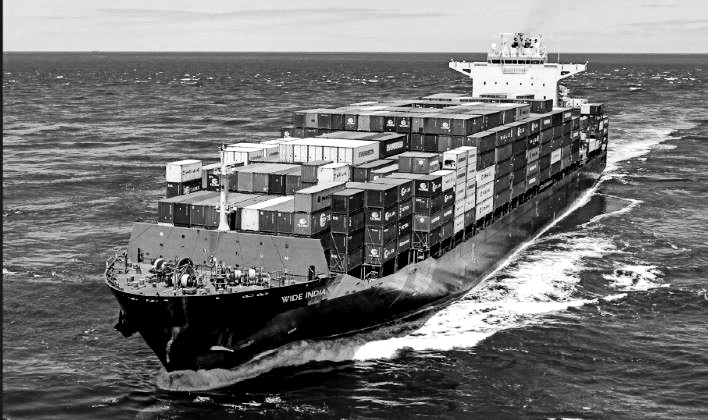
Vietnam is facing growing logistical and commercial risks as instability in the Middle East continues to disrupt global shipping routes, fuel markets and supply chains. Vietnamese logistics providers, exporters and importers are increasingly exposed to higher transportation costs, delivery delays and insurance pressures linked to ongoing tensions around key maritime corridors, particularly the Strait of Hormuz and Red Sea shipping lanes.
Global conflict reaches Asian supply chains
Although Vietnam is geographically distant from the Middle East, its export-driven economy remains heavily dependent on stable international shipping networks and predictable energy prices. Continued conflict and uncertainty in the Gulf region are now affecting freight costs and logistics planning across Asia.
Shipping companies operating routes between Asia, Europe and the Middle East have already reported rising operational costs due to rerouting, higher insurance premiums and increased fuel expenses. Some carriers have adjusted schedules or added security measures amid concerns over potential attacks on commercial vessels.

Vietnamese exporters, particularly those in manufacturing, electronics, textiles and agriculture, are closely monitoring developments as delays and cost increases begin affecting international trade flows.
Industry analysts note that Vietnam’s role as a major global manufacturing hub makes reliable logistics infrastructure essential for maintaining competitiveness in export markets.
Fuel prices and transport costs under pressure
One of the most immediate concerns for logistics providers is energy pricing. Tensions involving oil-producing regions and strategic maritime routes have contributed to volatility in global fuel markets, increasing transportation expenses for shipping, trucking and aviation sectors.
Vietnam’s logistics industry, which already operates within tight profit margins in many areas, may face additional pressure if oil prices remain elevated over an extended period. Rising fuel costs can quickly affect freight pricing, supply contracts and delivery schedules.
Importers relying on raw materials and industrial components from overseas suppliers are also vulnerable to disruptions in shipping timetables and increased container costs.
Economists warn that prolonged instability could eventually feed into broader inflationary pressures within Vietnam’s domestic economy through higher transportation and import expenses.
Export growth remains vulnerable
Vietnam has emerged as one of Asia’s fastest-growing export economies, benefiting from manufacturing relocation trends, trade agreements and strong industrial investment. However, its heavy integration into global trade systems also increases exposure to geopolitical disruptions far beyond Southeast Asia.
Export-oriented sectors such as electronics, footwear, garments and machinery depend on efficient global logistics networks to maintain production schedules and fulfil international contracts.
Some businesses are now reviewing contingency plans, diversifying shipping routes and increasing inventory buffers to reduce vulnerability to future disruptions.
Regional trade experts note that the current situation highlights the interconnected nature of modern supply chains, where instability in one region can rapidly affect production and commerce worldwide.
Logistics resilience becoming strategic priority
Vietnamese authorities and industry groups are increasingly emphasising the importance of logistics resilience and supply chain diversification. Investments in ports, transport infrastructure and digital logistics systems have accelerated in recent years as Vietnam seeks to strengthen its position as a regional trade hub.
Companies are also exploring alternative shipping corridors and greater regional sourcing to reduce dependence on highly vulnerable international routes.
At the same time, analysts argue that geopolitical uncertainty is likely to remain a long-term feature of global commerce, requiring logistics providers to adapt to a more volatile operating environment.
For Vietnam, maintaining export competitiveness while navigating rising geopolitical and transportation risks may become one of the defining economic challenges of the coming years.
Newshub Editorial in Asia – May 3, 2026

If you have an account with ChatGPT you get deeper explanations,
background and context related to what you are reading.
Open an account:
Open an accountVietnam is facing growing logistical and commercial risks as instability in the Middle East continues to disrupt global shipping routes, fuel markets and supply chains. Vietnamese logistics providers, exporters and importers are increasingly exposed to higher transportation costs, delivery delays and insurance pressures linked to ongoing tensions around key maritime corridors, particularly the Strait of Hormuz and Red Sea shipping lanes.
Recent Comments