
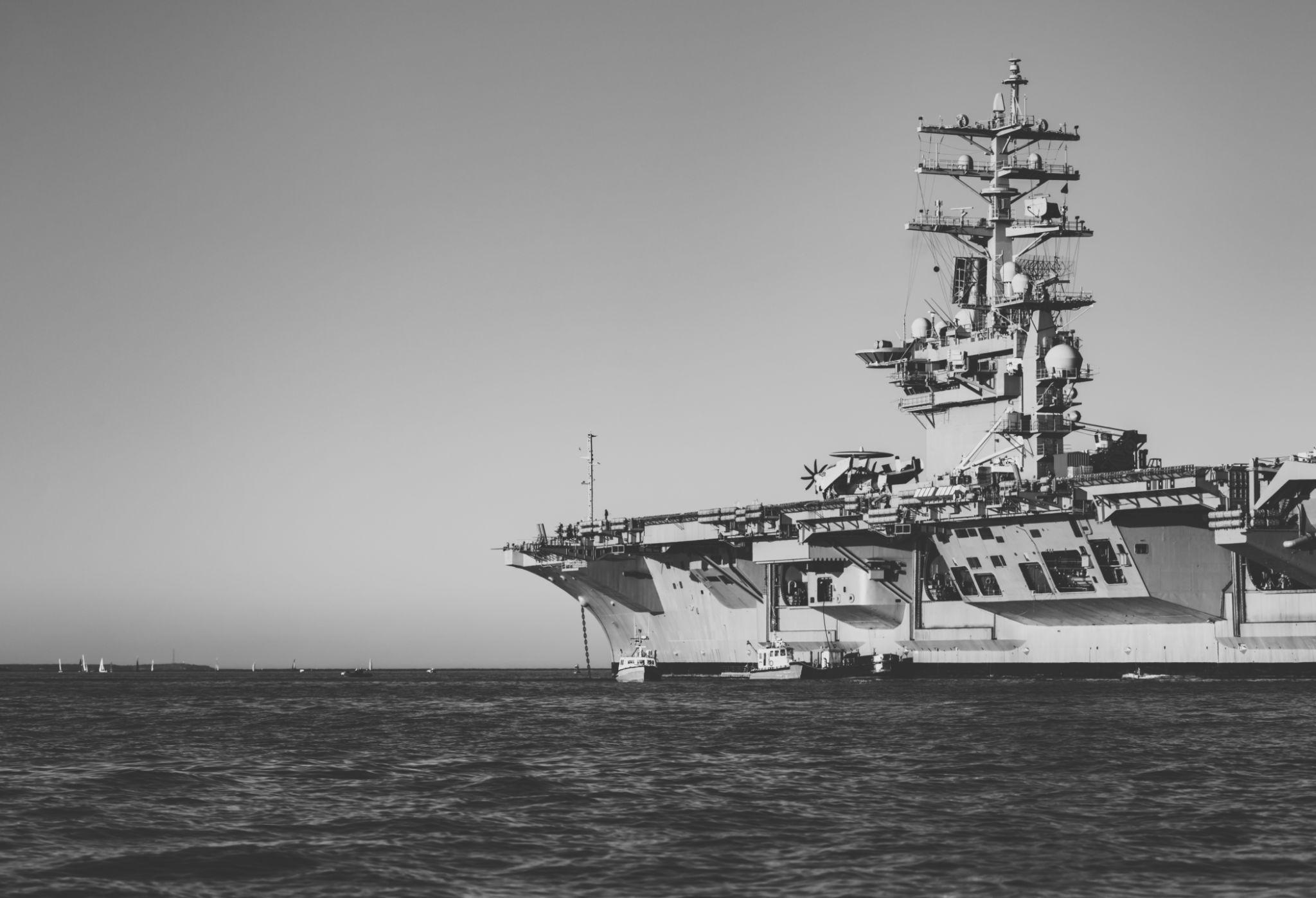
The United States has already spent an estimated $25 billion on the war involving Iran since the conflict escalated in late February 2026, according to figures presented by Pentagon officials and multiple independent military analysts. The rapidly rising costs are fuelling political debate in Washington over military priorities, federal debt and the long-term economic impact of another major overseas conflict.
A war costing billions every week
The Pentagon confirmed in congressional hearings that the United States had spent roughly $25 billion by the end of April, with most of the money allocated to missiles, air operations, naval deployments, logistics and replacement of damaged equipment. (reuters.com)
Independent analysts and defence economists believe the true figure may already be significantly higher once long-term costs, troop deployments, equipment wear and future replenishment of missile stockpiles are fully included. Some estimates suggest the eventual total cost could exceed $1 trillion if the conflict becomes prolonged. (hks.harvard.edu)

The war has proven especially expensive due to the use of advanced missile defence systems and precision-guided weapons. A single Patriot interceptor missile can cost approximately $4 million, while some advanced hypersonic weapons under consideration reportedly cost up to $15 million each. (smallwarsjournal.com)
Military analysts also warn that the conflict has heavily depleted American missile inventories, creating concerns about future military readiness in other regions, particularly in relation to China and the Indo-Pacific. (businessinsider.com)
What else could $25 billion pay for?
The scale of spending has intensified debate about opportunity costs within the United States economy. Economists and humanitarian organisations have pointed out that $25 billion could fund major domestic programmes or global aid efforts.
According to comparative federal spending estimates, $25 billion could approximately finance:
- Construction of hundreds of modern hospitals
- Salaries for more than 300,000 teachers for one year
- Tuition-free university education for millions of students
- Large-scale infrastructure modernisation projects
- Expansion of healthcare access for low-income families
- Major investments in renewable energy and power grids
Humanitarian organisations have also argued that similar sums could fund global food and healthcare programmes capable of supporting tens of millions of vulnerable people. (theguardian.com)
The debate reflects broader concerns about America’s growing national debt, which already exceeds $39 trillion. Critics of the war argue that sustained military spending places additional pressure on inflation, borrowing costs and future federal budgets. (smallwarsjournal.com)
Economic consequences spreading globally
The financial impact extends beyond direct military expenditure. Disruption in the Strait of Hormuz has contributed to volatility in global oil and gas markets, increasing transportation costs and raising inflation concerns worldwide. (theguardian.com)
Global shipping routes, energy supply chains and commodity prices have all been affected by the instability. Several analysts believe the broader economic consequences could continue long after active military operations eventually decline.
At the same time, defence contractors and military suppliers have seen increased demand as governments accelerate weapons production and replenish strategic stockpiles.
A familiar American debate returns
The Iran conflict has revived long-standing questions within the United States regarding the financial sustainability of prolonged overseas military operations. Comparisons are increasingly being drawn with the long-term costs of wars in Iraq and Afghanistan, which ultimately reached trillions of dollars over multiple decades.
For supporters of the operation, the spending is justified as part of preventing Iranian nuclear expansion and protecting strategic shipping routes. Critics argue that the economic burden, humanitarian risks and geopolitical uncertainty may outweigh any military gains.
As the conflict continues, the financial cost is likely to remain one of the central political issues shaping the American debate over war, security and national priorities.
Newshub Editorial in North America – May 3, 2026

If you have an account with ChatGPT you get deeper explanations,
background and context related to what you are reading.
Open an account:
Open an account
Recent Comments