
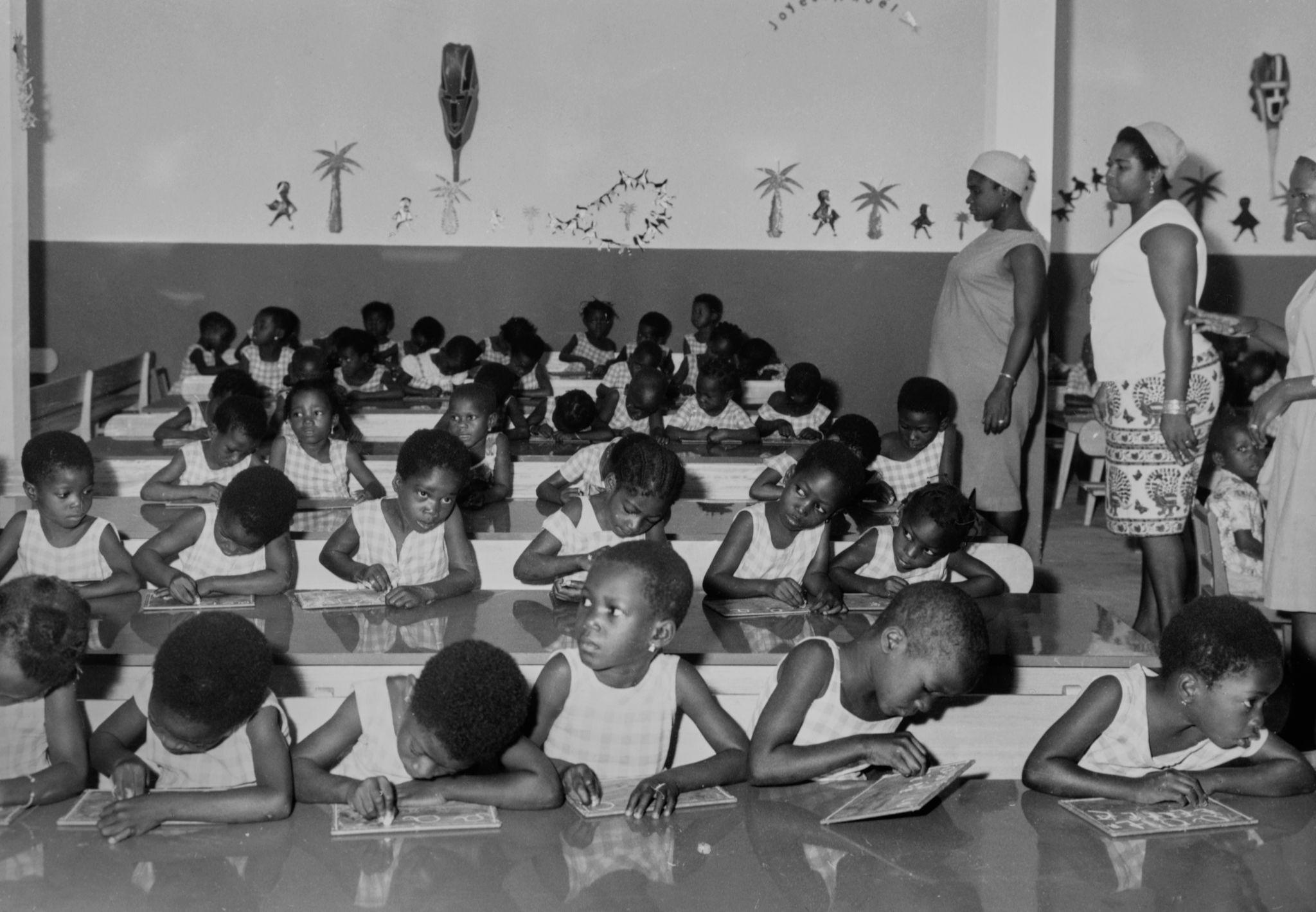
Côte d’Ivoire continues to rank among Africa’s strongest-performing economies, driven by infrastructure investment, agricultural exports and rising industrial activity. However, economists and development institutions increasingly warn that long-term growth could be constrained unless the country significantly improves healthcare, education and workforce development to ensure broader social inclusion and sustainable economic progress.
Strong economic momentum continues
Over the past decade, Côte d’Ivoire has emerged as one of West Africa’s most dynamic economies. Major public investment programmes, improved political stability and expanding trade have supported rapid GDP growth and increased investor confidence.
The country remains the world’s largest cocoa producer and has also expanded activity in sectors including construction, energy, logistics, telecommunications and manufacturing. Large-scale infrastructure projects in transport, ports and urban development have transformed parts of the commercial capital Abidjan and strengthened the country’s role as a regional economic hub.

International financial institutions have repeatedly highlighted Côte d’Ivoire as a key growth engine within the West African Economic and Monetary Union. Rising foreign direct investment and increased regional trade have further reinforced economic resilience despite broader global uncertainty.
Human capital remains a critical weakness
Despite strong macroeconomic performance, concerns persist regarding unequal access to healthcare, education and employment opportunities. Analysts argue that economic growth alone will not guarantee long-term prosperity unless investment in human capital accelerates.
Access to quality healthcare remains uneven, particularly in rural regions where medical infrastructure and staffing shortages continue to affect outcomes. Education systems also face pressure from population growth, limited resources and disparities between urban and rural communities.
Youth unemployment and underemployment remain major challenges despite expanding economic activity. Côte d’Ivoire has a young and rapidly growing population, creating both an opportunity and a structural risk for policymakers.
Development experts increasingly stress that future competitiveness will depend not only on infrastructure and exports, but also on the ability to create a skilled workforce capable of supporting industrialisation, digitalisation and higher-value economic sectors.
Balancing growth with social inclusion
The government has launched programmes aimed at improving healthcare access, vocational training and school attendance, while international partners continue to support reforms in public services and education systems.
Digital technology and mobile financial services are also expanding access to banking and economic participation across parts of the country. However, significant disparities remain between wealthier urban centres and less-developed rural regions.
Inflationary pressures, rising food costs and external economic shocks have added further strain to household incomes in recent years. Economists warn that if social inequalities widen, public dissatisfaction could eventually undermine economic stability and investor confidence.
Regional observers note that Côte d’Ivoire’s challenge mirrors broader trends across emerging African economies where rapid GDP growth must increasingly translate into measurable improvements in living standards, healthcare access and educational attainment.
A regional economic leader with long-term potential
Côte d’Ivoire remains one of Africa’s most closely watched growth stories and is expected to continue playing a major role in regional commerce and investment flows. Its strategic location, agricultural strength and infrastructure expansion provide a strong foundation for future development.
However, analysts argue that the next stage of economic transformation will depend on whether the country can successfully convert growth into broader human development gains. Investment in people, alongside continued economic reform, is increasingly viewed as essential for maintaining long-term momentum and social stability.
Newshub Editorial in Africa – May 3, 2026

If you have an account with ChatGPT you get deeper explanations,
background and context related to what you are reading.
Open an account:
Open an account
Recent Comments