
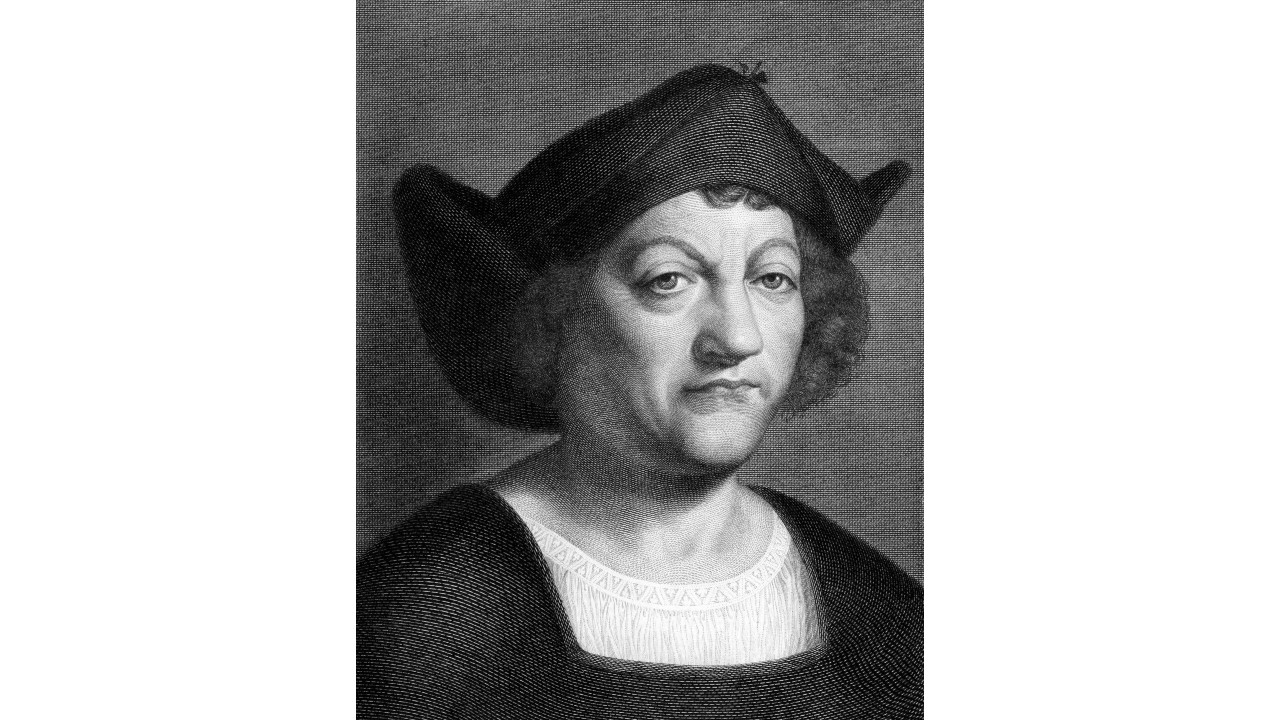
On 4 May 1494, explorer Christopher Columbus arrived on the island now known as Jamaica during his second voyage across the Atlantic. The encounter marked one of the defining moments in Caribbean history and formed part of the wider European expansion into the Americas during the late fifteenth century. Columbus named the island “Santiago” under the Spanish Crown, although the Indigenous Taíno name eventually survived and evolved into modern-day Jamaica.
A new territory for the Spanish Crown
Columbus reached Jamaica after sailing through parts of the Greater Antilles while exploring routes and territories claimed by Spain. Historical records indicate that he landed along Jamaica’s northern coastline, widely believed to be near present-day Discovery Bay.
Unlike some regions already explored by the Spanish, Jamaica did not immediately reveal major reserves of gold or silver. Nevertheless, the island’s fertile land, strategic Caribbean location and natural harbours made it an important territorial acquisition for Spain’s growing colonial empire.

The naming of the island as “Santiago” reflected Spain’s religious and political influence during the era of exploration. However, the Indigenous Taíno term “Xaymaca”, commonly interpreted as “land of wood and water”, remained deeply rooted and later became the internationally recognised name Jamaica.
The Taíno population before European arrival
Before Columbus arrived, Jamaica was inhabited by Taíno communities that had developed agricultural systems, fishing networks and regional trade across the Caribbean basin. Archaeological findings and historical accounts describe organised settlements and a society closely connected to the island’s natural environment.
European arrival introduced dramatic changes. Diseases carried from Europe spread rapidly across the Caribbean and caused devastating population declines among Indigenous peoples. Spanish colonial expansion also introduced forced labour systems and military control that transformed the island’s demographic and political structure within decades.
Although Jamaica was initially less economically significant than Spanish territories such as Cuba and Hispaniola, it later became increasingly important within colonial trade routes and agricultural production.
Colonial rivalry in the Caribbean
Spanish control of Jamaica lasted until 1655, when English forces captured the island during a military expedition led by Admiral William Penn and General Robert Venables. Under British rule, Jamaica developed into one of the Caribbean’s most valuable plantation economies.
Sugar production expanded rapidly, supported by the transatlantic slave trade and the forced labour of enslaved Africans brought to the island. Jamaica became a major commercial centre within the British Empire and played a central role in Atlantic trade networks during the seventeenth and eighteenth centuries.
The island eventually gained independence from the United Kingdom in 1962, while remaining part of the Commonwealth. Today, Jamaica is recognised globally for its cultural influence, tourism sector, music industry and sporting achievements.
A legacy still debated today
The arrival of Columbus in Jamaica remains historically significant but also highly controversial. While earlier generations often portrayed Columbus primarily as an explorer and navigator, modern historical analysis increasingly examines the consequences of European colonisation for Indigenous populations throughout the Americas.
Debates surrounding colonialism, historical memory and Indigenous rights continue to shape how events such as Columbus’s 1494 landing are interpreted today. Jamaica’s history reflects both the opportunities and the human costs associated with European expansion during the Age of Exploration.
Newshub Editorial in North America – May 3, 2026

If you have an account with ChatGPT you get deeper explanations,
background and context related to what you are reading.
Open an account:
Open an account
Recent Comments