
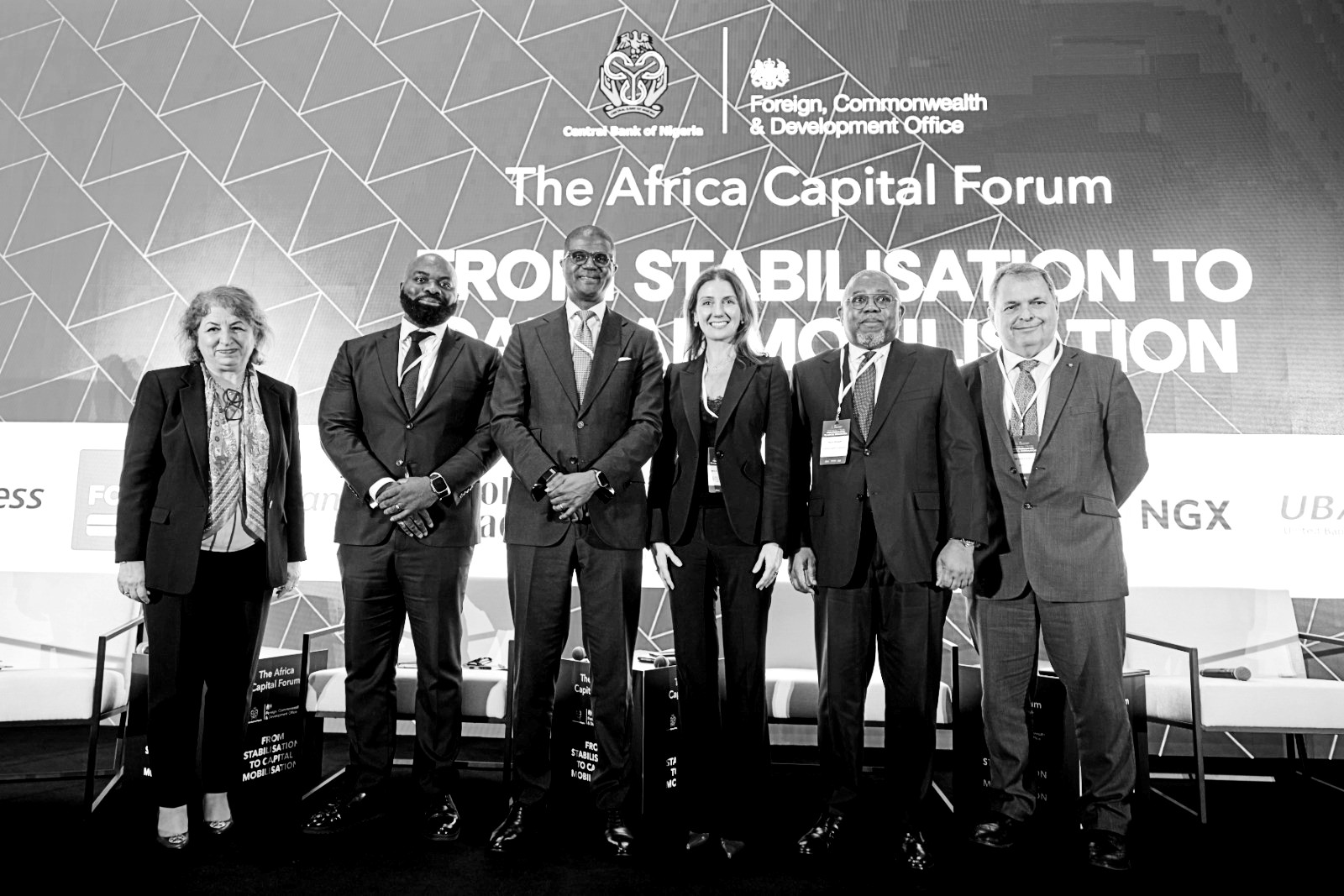
Nigeria’s ongoing macroeconomic reset is beginning to restore investor confidence after years of structural imbalances, but analysts warn that sustained inflows of long-term capital will be critical to translate reform momentum into durable economic growth.
Reform signals begin to shift sentiment
Over the past year, Nigeria has implemented a series of policy changes aimed at stabilising its economy and addressing long-standing distortions. Key measures include the liberalisation of the foreign exchange market, the removal of fuel subsidies and a renewed focus on fiscal discipline.
These reforms have started to reshape investor perception. After a prolonged period of capital flight and limited foreign participation, global investors are cautiously re-engaging with Africa’s largest economy. Improved transparency in currency pricing and a more orthodox policy framework have been central to this shift.

However, credibility remains fragile. Investors continue to assess whether reforms will be sustained over time or reversed under political pressure, a risk that has historically undermined confidence in the Nigerian market.
Currency stability and inflation challenges
The adjustment of the naira has been one of the most visible—and painful—components of the reform process. While currency liberalisation has improved market functionality, it has also contributed to inflationary pressures, raising costs for businesses and households.
Inflation remains elevated, driven by currency depreciation, higher energy prices and structural supply constraints. For policymakers, the challenge is to balance stabilisation with growth, ensuring that tightening measures do not suppress economic activity.
At the same time, exchange rate clarity is gradually improving capital allocation decisions, particularly for foreign investors who had previously been deterred by multiple exchange rate regimes and repatriation risks.
Capital flows: short-term interest vs long-term commitment
Recent inflows into Nigeria have largely been concentrated in short-term instruments, including government debt and money market securities. These flows provide liquidity support but do not address the country’s long-term financing needs.
What Nigeria requires is patient capital—investment in infrastructure, manufacturing, agriculture and digital ecosystems. Such capital is essential to unlock productivity gains, create employment and diversify the economy away from oil dependency.
Institutional investors, including pension funds and sovereign wealth funds, remain cautious. Concerns persist around policy consistency, regulatory clarity and the overall investment climate, particularly in relation to contract enforcement and governance standards.
Structural reforms beyond macro policy
While macroeconomic adjustments are necessary, they are not sufficient on their own. Nigeria’s ability to attract sustained long-term investment will depend on deeper structural reforms.
Key areas include power sector reliability, logistics and transport infrastructure, legal and regulatory transparency, and improvements in the ease of doing business. Without progress in these domains, macro stability risks becoming a temporary achievement rather than a foundation for growth.
Additionally, strengthening domestic capital markets could play a pivotal role in mobilising local savings into productive investment, reducing reliance on volatile foreign inflows.
A pivotal moment for Africa’s largest economy
Nigeria stands at a critical juncture. The current reform cycle has created a window of opportunity to reposition the economy and rebuild trust with global investors.
Yet the transition from stabilisation to growth will require consistency, execution and institutional strengthening. Without these, early gains in credibility could dissipate, repeating past cycles of reform and reversal.
For now, the direction of travel is encouraging—but the scale of ambition must match the scale of Nigeria’s economic potential.
Newshub Editorial in Africa – March 28, 2026

If you have an account with ChatGPT you get deeper explanations,
background and context related to what you are reading.
Open an account:
Open an account
Recent Comments