
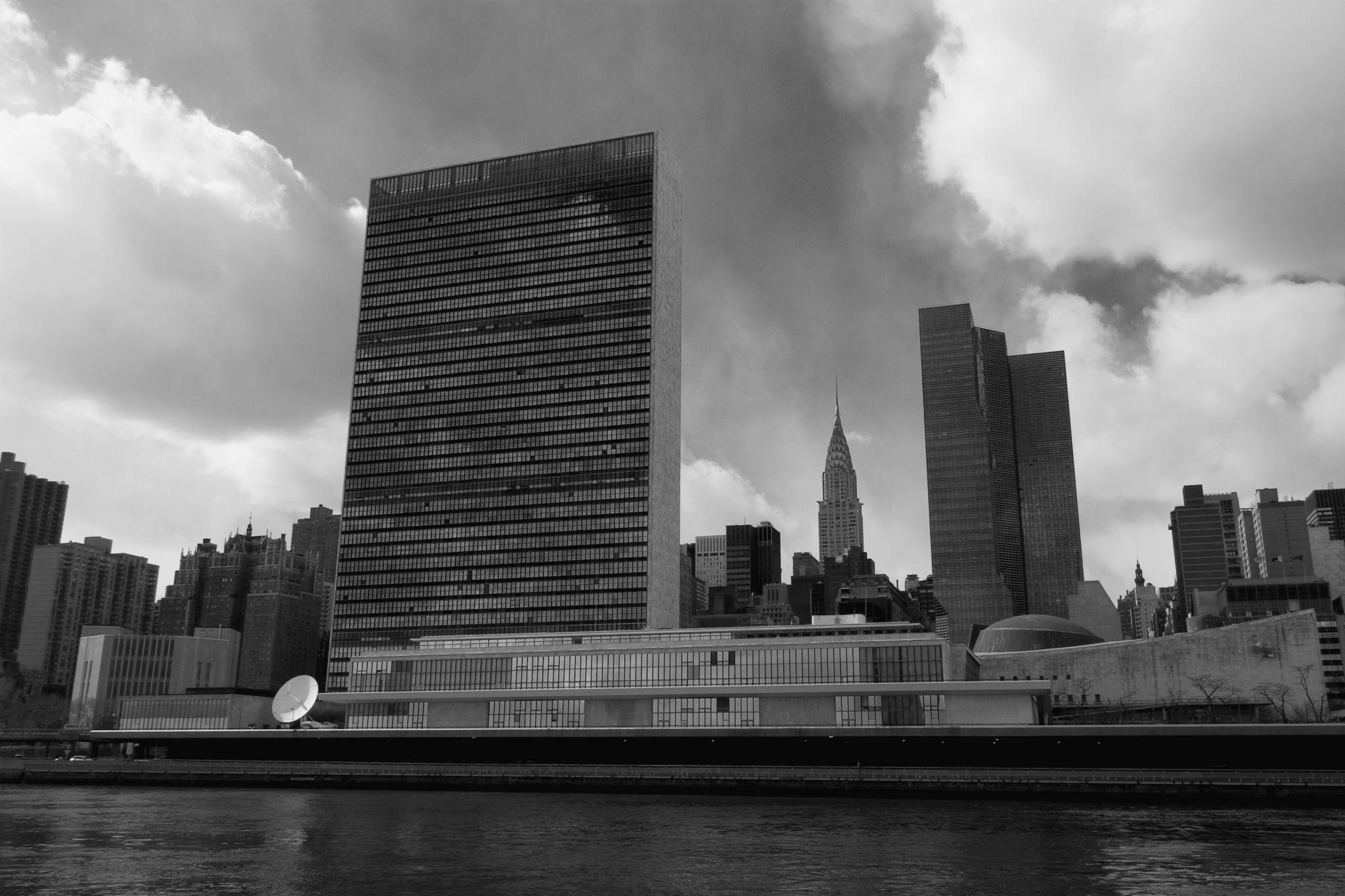
Speculation that former Senegalese president Macky Sall could emerge as a candidate to succeed United Nations Secretary-General António Guterres is triggering debate both within Senegal and internationally, with critics arguing that the prospect remains controversial due to political tensions during his presidency.
Speculation around the next UN secretary-general
The term of António Guterres as Secretary-General of the United Nations is scheduled to end in 2026, prompting early discussion about potential successors. Among the names occasionally mentioned in diplomatic and political circles is Macky Sall, who served as president of Senegal from 2012 until 2024.
Supporters argue that Sall’s experience as the leader of one of West Africa’s most politically influential nations, combined with his international diplomatic engagement during his presidency, could make him a credible candidate for the role.

During his time in office, Sall played an active role in regional diplomacy and international forums, including representing African interests in global economic discussions and climate negotiations. These credentials have led some observers to suggest that he could fit the profile of a future UN secretary-general.
However, any such candidacy would face a complex political path, as the UN leadership selection process involves both international diplomacy and strong consensus among member states.
Domestic opposition in Senegal
Within Senegal, the possibility of Sall taking on one of the world’s most prominent diplomatic roles has generated significant criticism from some political figures and civil society groups.
Opponents argue that the legacy of Sall’s presidency remains deeply contested, particularly following violent political unrest that took place during protests in 2021 and again in 2024.
Several victims and families affected by those events have publicly expressed opposition to the idea of Sall assuming a senior international leadership position. Critics argue that unresolved questions about the handling of protests and political tensions during his administration should be addressed before he is considered for such a role.
The debate reflects broader divisions in Senegal’s political landscape following the turbulent final years of Sall’s presidency.
Criticism from within the current political majority
Opposition to the idea is not limited to civil society groups. Some members of Senegal’s current ruling majority have also expressed reservations.
Among those voicing criticism is a Member of Parliament from the PASTEF party, which now plays a central role in Senegal’s political leadership. The party rose to prominence amid widespread public dissatisfaction with the previous administration and has emphasised the need for accountability regarding past political violence.
For these critics, elevating Sall to a global diplomatic position could risk overlooking unresolved political grievances within Senegal.
A complex international calculation
While the debate in Senegal is intense, the eventual selection of a UN secretary-general depends primarily on international diplomatic negotiations. The candidate must secure support within the UN Security Council and gain approval from the General Assembly.
Historically, regional balance, geopolitical considerations and diplomatic consensus have played a decisive role in the appointment process.
If Macky Sall were to pursue the role, he would likely face scrutiny not only from domestic critics but also from international actors assessing his leadership record and diplomatic credentials.
For now, discussions about potential successors to António Guterres remain speculative. Yet the debate unfolding in Senegal highlights how national political legacies can shape global leadership prospects.
Newshub Editorial in Africa – March 10, 2026

If you have an account with ChatGPT you get deeper explanations,
background and context related to what you are reading.
Open an account:
Open an account
Recent Comments