
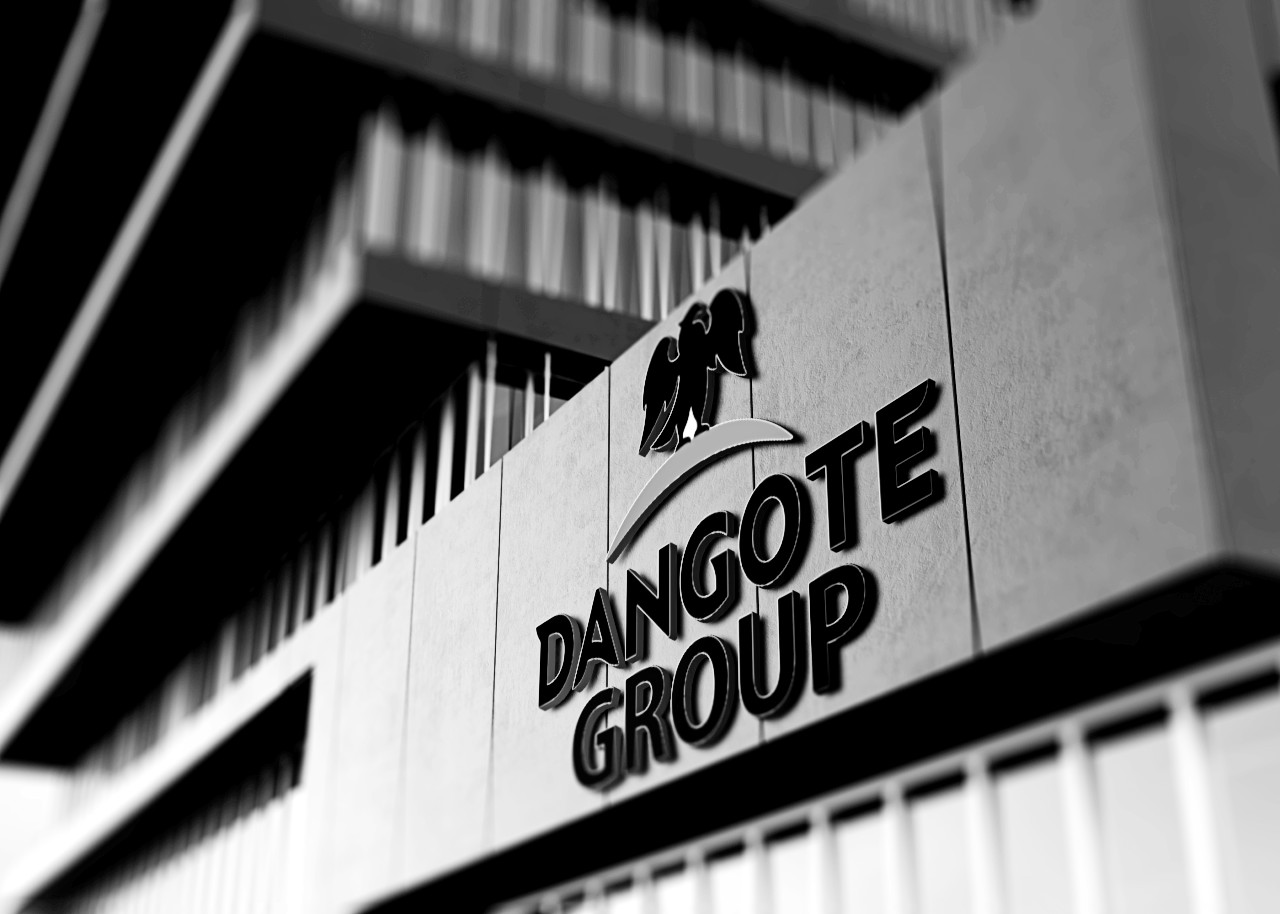
Few business stories in Africa illustrate entrepreneurial scale as clearly as the rise of the Dangote Group. What began as a modest commodity trading operation in Nigeria in the late 1970s has evolved into one of the continent’s largest industrial conglomerates, spanning cement, sugar, fertiliser, logistics and energy. The company’s transformation reflects both the opportunities and the structural challenges of building large-scale industry in Africa.
A modest trading start in Lagos
The Dangote Group was founded in 1977 by Nigerian entrepreneur Aliko Dangote, who began with a small trading business importing and distributing basic commodities such as sugar, rice and cement in Lagos.
Initially operating as a trading house rather than a manufacturing enterprise, the company focused on supplying goods that were in short supply across Nigeria’s rapidly growing population. By building strong relationships with suppliers and distribution networks, the business expanded steadily through the 1980s and 1990s.

The turning point came when Dangote shifted the company’s strategy from importing goods to producing them locally. This move aligned with Nigeria’s industrialisation policies and significantly reduced reliance on imported products.
Industrial expansion transforms the company
The company’s largest breakthrough came with the creation of Dangote Cement in the early 2000s. At the time, Nigeria was heavily dependent on imported cement despite strong domestic demand from infrastructure and housing construction.
Dangote invested billions of dollars in cement plants across Nigeria and later across Africa, creating one of the continent’s largest cement production networks. Today, Dangote Cement operates in multiple African countries and exports cement across regional markets.
Beyond cement, the conglomerate expanded into sugar refining, salt production, flour milling and fertiliser manufacturing. Each sector followed a similar strategy: replacing imports with domestic production while leveraging Nigeria’s large consumer market.
The group’s fertiliser plant in Nigeria is now one of the largest in the world, supplying agricultural inputs across Africa and international markets.
From national business to continental influence
Over four decades, the Dangote Group has become one of Africa’s most influential industrial companies. Its operations span more than a dozen countries and employ tens of thousands of people across manufacturing, logistics and distribution.
The company’s impact is particularly significant in the cement sector, where it helped transform Nigeria from a major cement importer into one of Africa’s largest producers and exporters.
Dangote has also ventured into energy infrastructure, including the development of a massive oil refinery in Nigeria designed to reduce the country’s dependence on imported fuel.
The rise of the Dangote Group illustrates how African companies can scale from relatively small beginnings into continent-wide industrial leaders. It also highlights the importance of long-term investment, infrastructure development and domestic manufacturing in building sustainable economic growth.
For many analysts, the company represents a blueprint for industrial expansion across Africa as the continent seeks to strengthen its own production capacity and reduce reliance on imports.
Newshub Editorial in Africa — March 5, 2026

If you have an account with ChatGPT you get deeper explanations,
background and context related to what you are reading.
Open an account:
Open an account
Recent Comments