
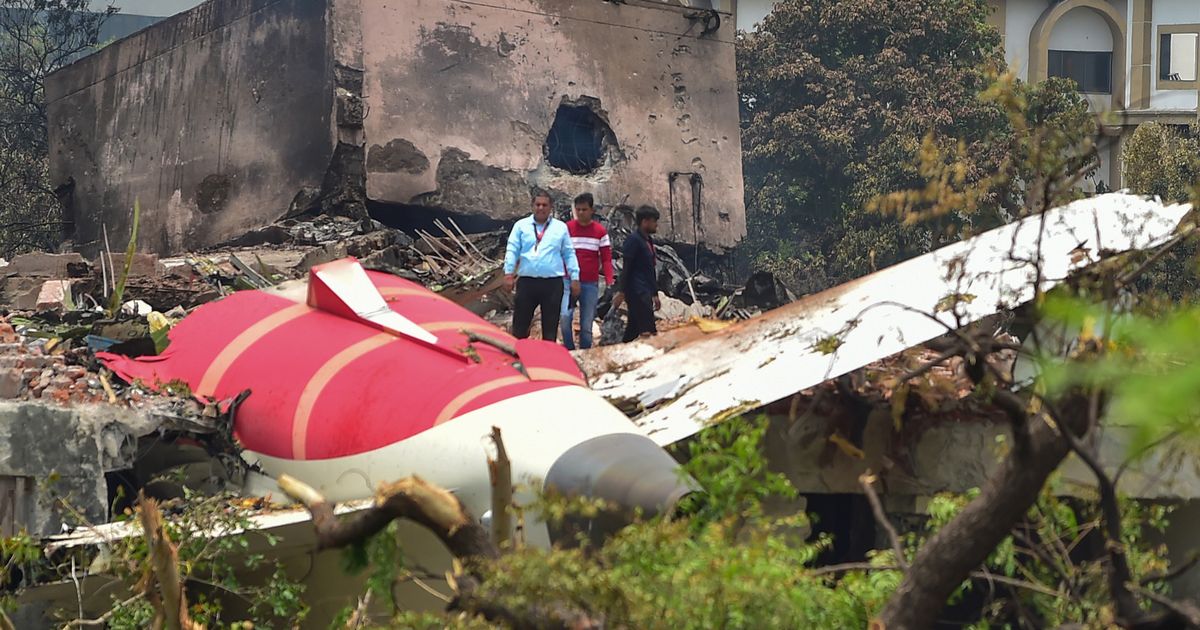
The fuel control valves on the Air India plane that crashed shortly after take-off on 12 June were found in the off position, according to a preliminary report by the crash investigation commission. The disaster, which claimed the lives of all 260 passengers and crew, may have been caused by a failure to activate critical systems before departure.
The report, compiled by India’s Directorate General of Civil Aviation, focuses on the early moments of Flight AI162, which was en route from Mumbai to Dubai. The aircraft, an Airbus A310, suffered a rapid loss of engine thrust shortly after leaving the runway. It veered off course and crashed in a semi-rural area on the outskirts of the city, leaving no survivors.
Investigators found that the aircraft’s fuel shutoff valves—essential for delivering fuel from the tanks to the engines—had not been reopened after ground servicing. As a result, both engines lost power moments into the ascent, prompting a chaotic and ultimately unsuccessful attempt by the flight crew to regain control.

Cockpit Voice Recorder reveals confusion
Transcripts from the cockpit voice recorder reveal rising confusion and panic in the final minutes of the flight. The pilots are heard questioning why power levels are falling and attempting to initiate restart procedures. One voice reportedly says, “We’ve lost both,” followed by urgent discussions about fuel flow and system resets.
There is no indication so far of foul play or external mechanical failure. Aviation experts believe the tragedy likely stems from missed steps in the aircraft’s pre-flight checklist, which would normally include verification of fuel valve settings.
The crew’s inability to identify the issue in time has sparked wider questions about training, cockpit discipline, and standard operating procedures. Several former pilots and safety officials have pointed to the need for a stronger emphasis on checklist adherence and cross-verification between crew members during flight preparations.
Families demand accountability
The families of victims—many of whom were migrant workers and families travelling to the Gulf—have expressed frustration at the lack of immediate answers. Memorials and vigils have been held in Mumbai and Dubai, with mourners calling for full transparency and accountability.
Air India has pledged its cooperation with the investigation and expressed condolences to the victims’ families. It has also suspended flights using the same aircraft model pending further inspections.
The airline has faced criticism in recent years over safety concerns, maintenance delays and incidents involving crew fatigue. Though it has undergone modernisation and ownership changes, this crash has revived long-standing concerns about the carrier’s operational culture.
Regulatory response and next steps
India’s civil aviation regulator has issued a notice to all domestic airlines reminding them of strict compliance with pre-flight procedures. Inspections of similar aircraft across the country are now underway, and training audits are expected in the coming weeks.
The final report is not expected for several months, as investigators continue to analyse flight data and interview maintenance and operations staff. Until then, attention remains fixed on the early clues—and the voice recordings—that suggest a preventable oversight may have led to one of India’s worst aviation disasters in recent memory.
REFH – newshub finance
12 July 2025, 10:04
Recent Comments