
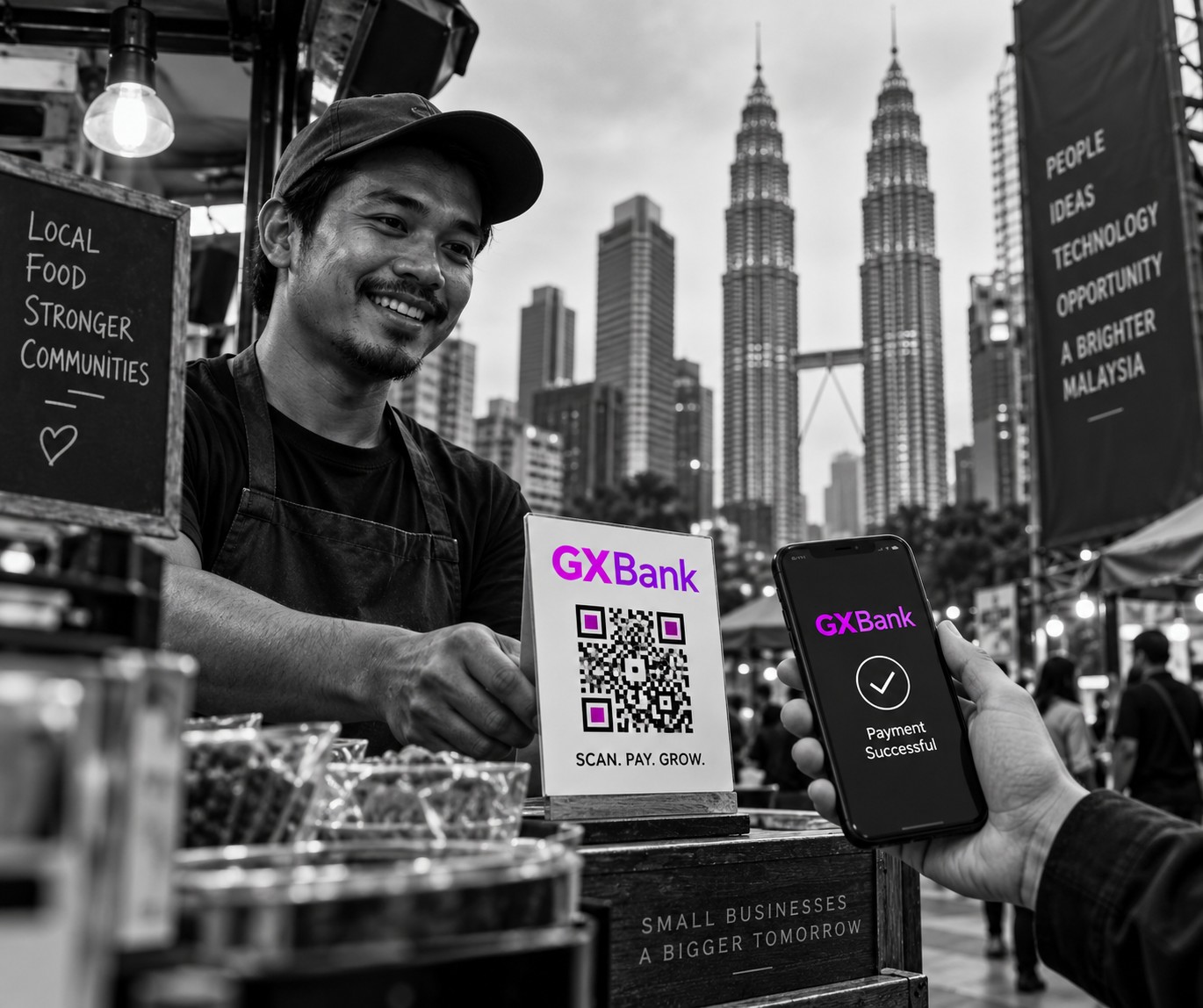
Malaysia’s GXBank is taking another step towards a digital-first lending model, securing backing from the International Finance Corporation for a loan portfolio of up to $110 million aimed at micro, small and medium-sized enterprises. The structure illustrates how Asian markets are increasingly using technology to bypass some of the limitations of traditional branch-based banking.
Credit without the traditional infrastructure
GX Bank Berhad, known as GXBank, operates as a digital bank in Malaysia. Its model allows customers and businesses to access financial services through digital channels rather than relying on a conventional network of physical branches.
The latest agreement with the International Finance Corporation, part of the World Bank Group, introduces a risk-sharing mechanism designed to make it easier for GXBank to lend to smaller companies.


IFC will provide up to $4.95 million in unfunded first-loss coverage supporting a portfolio of as much as $110 million. The mechanism absorbs part of the initial losses if eligible borrowers default, reducing the bank’s exposure and creating additional capacity for lending.
Reaching businesses traditional banks can miss
The important element is who the financing can reach.
Many small businesses in emerging economies operate successfully but have limited collateral, short credit histories or financial records that do not fit traditional banking requirements. Digital banks can potentially use transaction data and alternative information to assess customers differently.
That makes GXBank an example of the leapfrog model: instead of expanding financial inclusion primarily by building more branches, digital infrastructure can connect businesses directly to banking, payments and credit.
The wider World Bank Group is pursuing a similar strategy. Earlier this month, IFC announced an initiative providing up to $700 million in guarantees intended to help financial institutions in emerging markets expand digital payments for consumers and small businesses.
Malaysia becomes a testing ground
Malaysia has developed into one of Southeast Asia’s important markets for digital banking. The opportunity extends beyond replacing conventional banking services with an app.
Digital institutions can combine payments, transaction histories, savings and lending inside the same ecosystem. For small businesses, that can gradually turn everyday digital activity into a financial identity capable of supporting access to credit.
This is where the leapfrog effect becomes significant. Countries do not necessarily have to replicate the banking infrastructure developed over decades in Europe or North America.
They can move directly towards mobile-first financial systems.
GXBank’s latest financing initiative demonstrates how that transition is increasingly moving from theory into practical lending — using digital infrastructure and institutional risk-sharing to bring capital closer to businesses that conventional finance has historically struggled to reach.
Newshub Editorial in Asia – 20 September 2026

Ask NF GPT
If you have an account with ChatGPT you get deeper explanations,
background and context related to what you are reading.
Malaysia’s GXBank is taking another step towards a digital-first lending model, securing backing from the International Finance Corporation for a loan portfolio of up to $110 million aimed at micro, small and medium-sized enterprises. The structure illustrates how Asian markets are increasingly using technology to bypass some of the limitations of traditional branch-based banking.
Recent Comments