
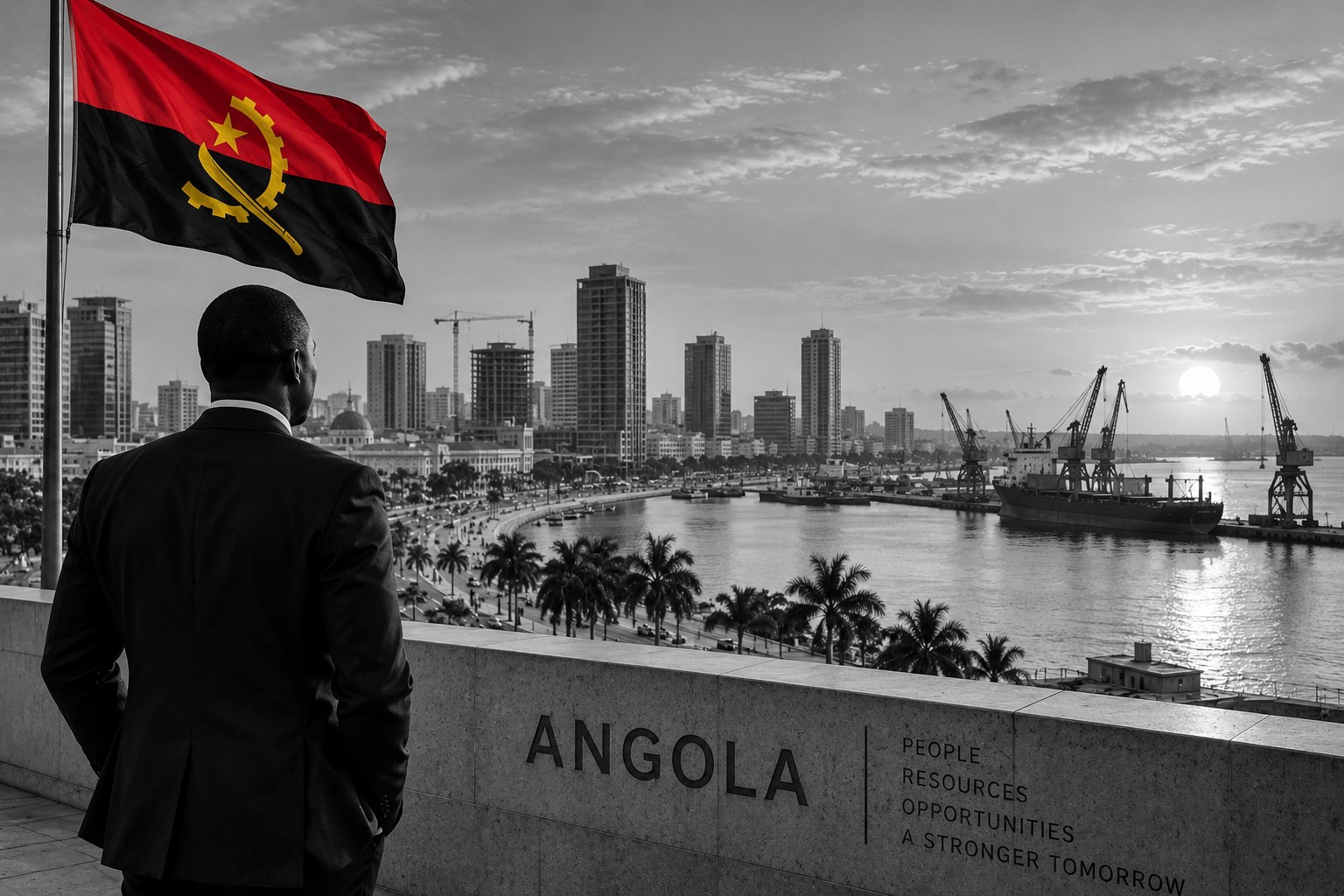
Angola is preparing to open its $18.6 billion domestic government bond market more widely to foreign investors, in a significant financial reform designed to attract international capital, deepen the country’s local markets and reduce its dependence on borrowing in US dollars.
Luanda looks towards global capital
Angolan Finance Minister Vera Daves de Sousa said the government is developing a framework that would make it easier for international investors to purchase locally issued government debt.
Foreign investors can already buy Angolan securities, but the process remains complicated by central-bank approvals and requirements for local banking arrangements. Removing or simplifying those barriers could dramatically increase access to the market.

At the end of 2025, Angola had approximately 17 trillion kwanzas, equivalent to $18.6 billion, of domestic government debt outstanding.
A place in a new frontier-market index
An important part of the strategy involves discussions with JPMorgan over possible inclusion in a planned frontier-market local-currency debt index.
The proposed benchmark is expected to include other African markets such as Nigeria and Kenya, reflecting growing international investor interest in African debt issued in domestic currencies.
For Angola, inclusion could increase the country’s visibility among institutional investors and potentially attract capital from funds that track or use such indices as investment benchmarks.
Reducing dependence on the dollar
Developing a deeper domestic bond market could also address one of the persistent vulnerabilities facing African governments: dependence on foreign-currency debt.
Borrowing in dollars exposes governments to potentially severe increases in debt-servicing costs when local currencies depreciate.
Angola is additionally considering international borrowing in currencies other than the dollar, including the Chinese yuan, and could return to international bond markets in 2027 if conditions are favourable.
A broader African financial shift
The initiative comes as international investors increasingly examine opportunities in frontier-market local-currency debt.
For African economies, attracting foreign investors into domestic markets can broaden the investor base, increase liquidity and potentially reduce financing costs.
Angola’s challenge will be convincing investors that market access, currency convertibility and regulatory procedures are sufficiently predictable.
If successful, however, opening its $18.6 billion bond market could represent an important step in Angola’s transition towards a deeper and more internationally connected financial system — and another indication that African capital markets are becoming increasingly relevant to global investors.
Newshub Editorial in Africa – 10 September 2026

Ask NF GPT
If you have an account with ChatGPT you get deeper explanations,
background and context related to what you are reading.
Angola is preparing to open its $18.6 billion domestic government bond market more widely to foreign investors, in a significant financial reform designed to attract international capital, deepen the country's local markets and reduce its dependence on borrowing in US dollars.
Recent Comments