
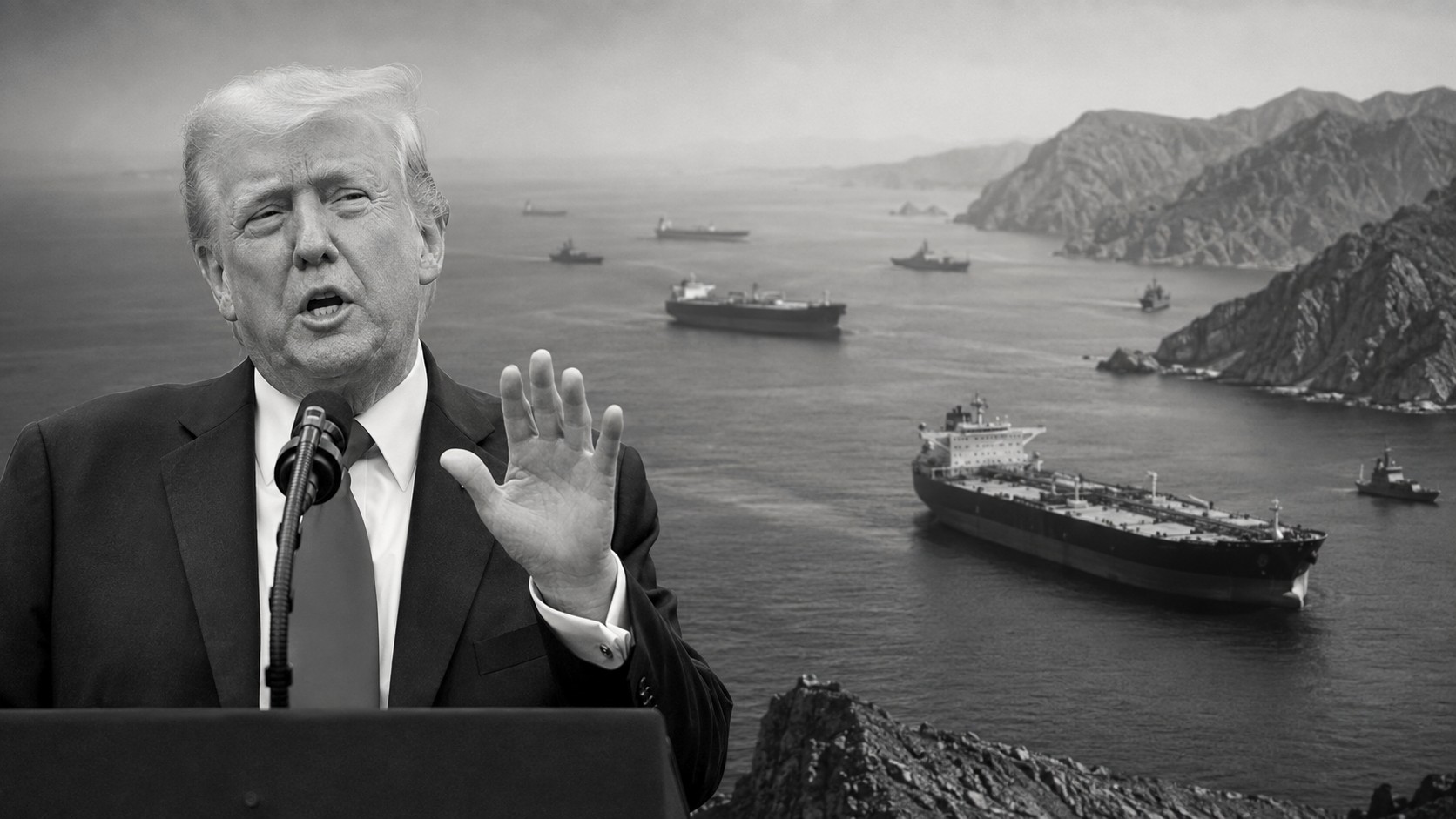
Washington responds to Iranian demands
Trump issued the demand after Iran said reopening the strategically important waterway would require compensation for damage caused during the five-month war involving Iran, the United States and Israel.
Tehran has accused Washington and Israel of devastating its military infrastructure, damaging civilian facilities and killing thousands of people. Iranian negotiators have made war reparations one of several conditions for a broader agreement.
Trump responded by instructing American representatives to include compensation for US casualties in all future negotiations. He attributed thousands of deaths and injuries to Iranian-backed groups, roadside bombs and conflicts across the Middle East.


The president also said Iran should compensate victims and families in Lebanon, Syria, Yemen and Gaza, as well as the relatives of Iranians killed during anti-government protests.
Historical claims create new dispute
Trump specifically referred to American troops killed by roadside bombs during the Iraq war, where US officials have long accused Iran of supplying weapons and training to armed groups.
He also mentioned the bombing of the USS Cole in Yemen in October 2000. That attack, which killed 17 American sailors, was attributed by US investigators to al-Qaeda rather than Iran.
The inclusion of disputed historical allegations could make any agreement over compensation exceptionally difficult. There is no established mechanism for calculating responsibility across decades of conflict involving governments, militias and proxy organisations.
Iran sets conditions for reopening Hormuz
Iran has presented Washington with several conditions for restoring normal passage through the Strait of Hormuz. These reportedly include compensation for war damage, the lifting of economic sanctions, the release of frozen Iranian assets and an end to US military threats.
Tehran has also demanded changes to American and Israeli military activity in the region. Iranian officials maintain that full commercial access cannot resume while the country remains under blockade or faces the possibility of further attacks.
Negotiations conducted with assistance from Oman had appeared close to producing an interim arrangement. The proposed agreement would have created regulated shipping lanes and allowed more tankers to pass through the strait.
The exchange of competing compensation demands now suggests that talks have reached another impasse.
Global energy markets remain exposed
The Strait of Hormuz is one of the world’s most important energy corridors, normally carrying a significant share of globally traded oil and liquefied natural gas. Disruption has forced exporters, shipping companies and importing countries to seek limited alternative routes.
Brent crude rose above $88 a barrel following the latest diplomatic setback, while US crude traded above $82. Both contracts had already gained approximately 5% on Monday as hopes of an early agreement faded.
Prolonged disruption threatens to increase transport and insurance costs, raise fuel prices and add to global inflation. Asian economies are particularly exposed because China, India, Japan and South Korea purchase large quantities of Gulf oil and gas.
Positions move further apart
Trump has claimed that the United States controls the strait and that the waterway is open, but commercial traffic remains far below normal levels. Mines, attacks on shipping and uncertainty over naval operations continue to discourage vessels from entering the area.
Both Washington and Tehran now accuse the other of creating the crisis while attaching increasingly broad conditions to a settlement. Unless negotiators can separate the immediate shipping issue from demands covering decades of conflict, prospects for reopening Hormuz and ending the war are likely to remain limited.
Newshub Editorial in North America and the Middle East – 11 August 2026

Ask NF GPT
If you have an account with ChatGPT you get deeper explanations,
background and context related to what you are reading.
Washington responds to Iranian demandsTrump issued the demand after Iran said reopening the strategically important waterway would require compensation for damage caused during the five-month war involving Iran, the United States and Israel.
Recent Comments