
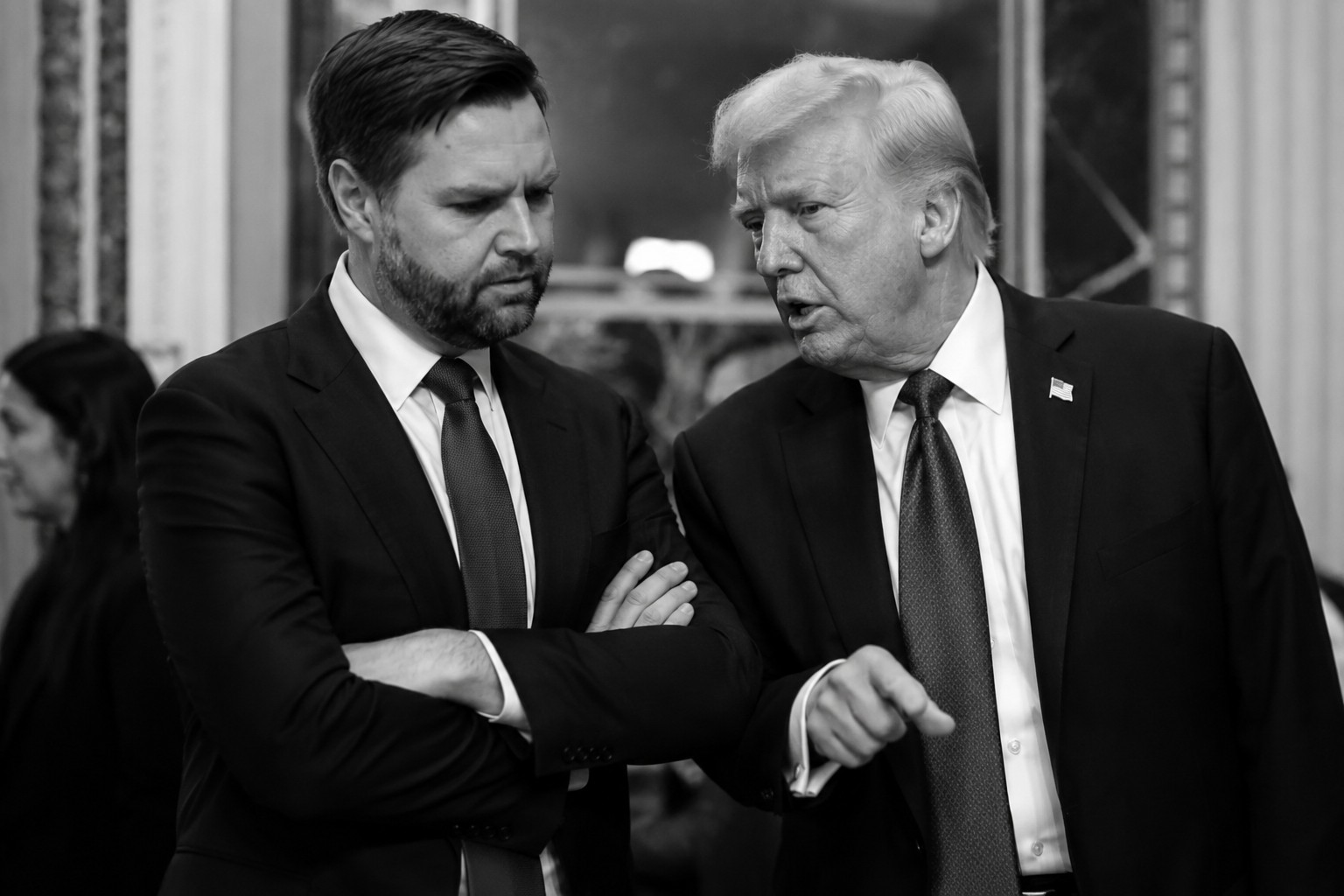
The Atlantic has republished a 10-year-old essay by US Vice President JD Vance in which he sharply criticised Donald Trump, inviting readers to compare Vance’s earlier views with his current role as one of the president’s closest political allies. The republication has reignited debate over Vance’s political evolution and the changing dynamics within the modern Republican Party.
A look back at Vance’s earlier views
The essay, originally published in 2016 during Trump’s first presidential campaign, captures Vance’s deep scepticism about the businessman-turned-politician before he entered national office. At the time, Vance questioned Trump’s appeal among conservative voters and expressed concern about the direction of American politics.
One of the essay’s most widely quoted passages described Trump as “cultural heroin”, arguing that he provided emotional satisfaction to frustrated voters without addressing the underlying causes of their economic and social concerns. The Atlantic chose to republish the article in full, encouraging readers to judge Vance’s earlier assessment in light of his current position as vice president.


From critic to political ally
Vance’s transformation from outspoken critic to loyal supporter has been one of the most notable political shifts in recent US politics. After initially opposing Trump, the Ohio senator gradually embraced the former president’s agenda, particularly on immigration, trade and foreign policy.
His endorsement of Trump during the 2024 presidential campaign helped cement his position within the Republican movement. Trump later selected Vance as his running mate, and the pair returned to the White House following their election victory.
Vance has previously acknowledged his earlier criticisms, saying he underestimated Trump’s ability to reshape American politics and represent voters who felt overlooked by the political establishment.
Political opponents seize on the essay
The republication has provided fresh ammunition for Democratic politicians and other critics, who argue that Vance abandoned his earlier principles for political advancement. They point to the stark contrast between his former warnings and his current defence of the president on major policy issues.
Republican supporters, however, argue that changing one’s views in response to political experience is neither unusual nor disqualifying. They contend that Vance came to believe Trump’s policies delivered tangible results for American workers and national security, prompting his shift in perspective.
A reminder of a changing political landscape
The renewed attention surrounding the essay highlights how dramatically American politics has changed over the past decade. Trump’s influence has reshaped the Republican Party, bringing many former critics into his political coalition while redefining traditional conservative priorities.
Whether viewed as political pragmatism or a remarkable reversal, Vance’s journey from sceptic to vice president remains one of the defining stories of contemporary US politics. The Atlantic’s decision to revisit his original words serves as a reminder of how rapidly political alliances and convictions can evolve in an era dominated by populist movements and shifting voter loyalties.
Newshub Editorial in North America – 6 July 2026

Ask NF GPT
If you have an account with ChatGPT you get deeper explanations,
background and context related to what you are reading.
Open an account:
The Atlantic has republished a 10-year-old essay by US Vice President JD Vance in which he sharply criticised Donald Trump, inviting readers to compare Vance’s earlier views with his current role as one of the president’s closest political allies. The republication has reignited debate over Vance’s political evolution and the changing dynamics within the modern Republican Party.
Recent Comments