
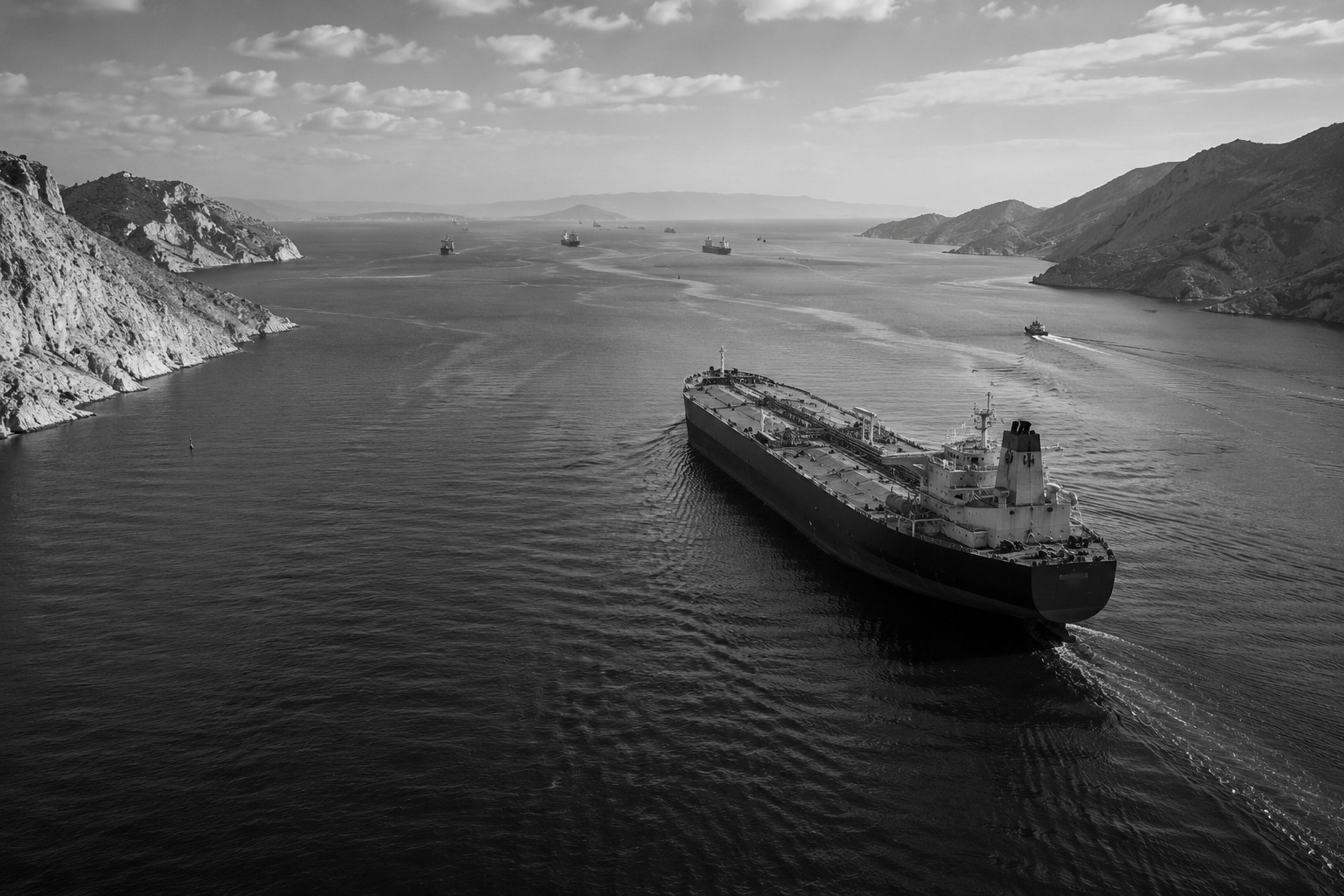
Global oil prices moved lower as markets responded positively to the reopening of the Strait of Hormuz, reducing concerns over potential supply disruptions from one of the world’s most important energy transit routes. The development has eased fears of a broader energy shock and provided relief to investors, governments and businesses that had been preparing for the possibility of significantly higher fuel costs.
A vital route for global energy
The Strait of Hormuz serves as one of the most strategically important maritime passages in the world. Roughly one-fifth of global oil consumption passes through the narrow waterway, linking major Gulf producers with customers across Asia, Europe and beyond.
Recent tensions in the Middle East had raised concerns that shipping through the strait could be disrupted, potentially removing millions of barrels of oil from international markets. Those fears had driven oil prices higher as traders priced in the risk of supply shortages.


The reopening of the route has significantly reduced those concerns, leading many investors to unwind risk premiums that had been built into oil markets.
Markets welcome the return of stability
Energy traders reacted swiftly to signs that tanker traffic could continue without major interruption. The easing of geopolitical risk helped push crude prices lower as market participants reassessed the likelihood of supply disruptions.
Shipping companies, refiners and industrial consumers also welcomed the development. Lower oil prices can help reduce transportation costs, ease inflationary pressures and support broader economic growth.
Financial markets generally view stable energy supplies as a positive factor, particularly at a time when many economies remain sensitive to inflation and interest-rate developments.
Relief for importing nations
The decline in oil prices is especially significant for major energy-importing economies in Asia. Countries such as India, China, Japan and South Korea depend heavily on imported crude oil and are particularly exposed to disruptions in Middle Eastern supply routes.
Lower energy costs can improve trade balances, reduce pressure on government budgets and support consumer spending. Manufacturers and transport operators may also benefit from lower operating expenses if the decline in crude prices is sustained.
For emerging markets, the easing of oil prices could help central banks maintain a more stable monetary-policy outlook.
Attention remains on the Middle East
Despite the market’s positive reaction, analysts caution that geopolitical risks have not disappeared entirely. The Middle East remains a complex and strategically important region, and any renewed tensions could quickly affect energy markets once again.
Investors will continue monitoring developments closely, particularly regarding shipping security, regional diplomacy and production levels among major oil-exporting nations.
A reminder of energy market vulnerability
The recent price movements highlight how sensitive global oil markets remain to geopolitical events. While the reopening of the Strait of Hormuz has reduced immediate concerns, it has also underscored the importance of secure trade routes for the world economy.
For now, traders appear reassured that energy supplies will continue flowing normally, helping to push oil prices lower and providing a welcome boost to global market sentiment.
Newshub Editorial in Asia – 23 June 2026

If you have an account with ChatGPT you get deeper explanations,
background and context related to what you are reading.
Open an account:
Open an accountGlobal oil prices moved lower as markets responded positively to the reopening of the Strait of Hormuz, reducing concerns over potential supply disruptions from one of the world's most important energy transit routes. The development has eased fears of a broader energy shock and provided relief to investors, governments and businesses that had been preparing for the possibility of significantly higher fuel costs.
Recent Comments