
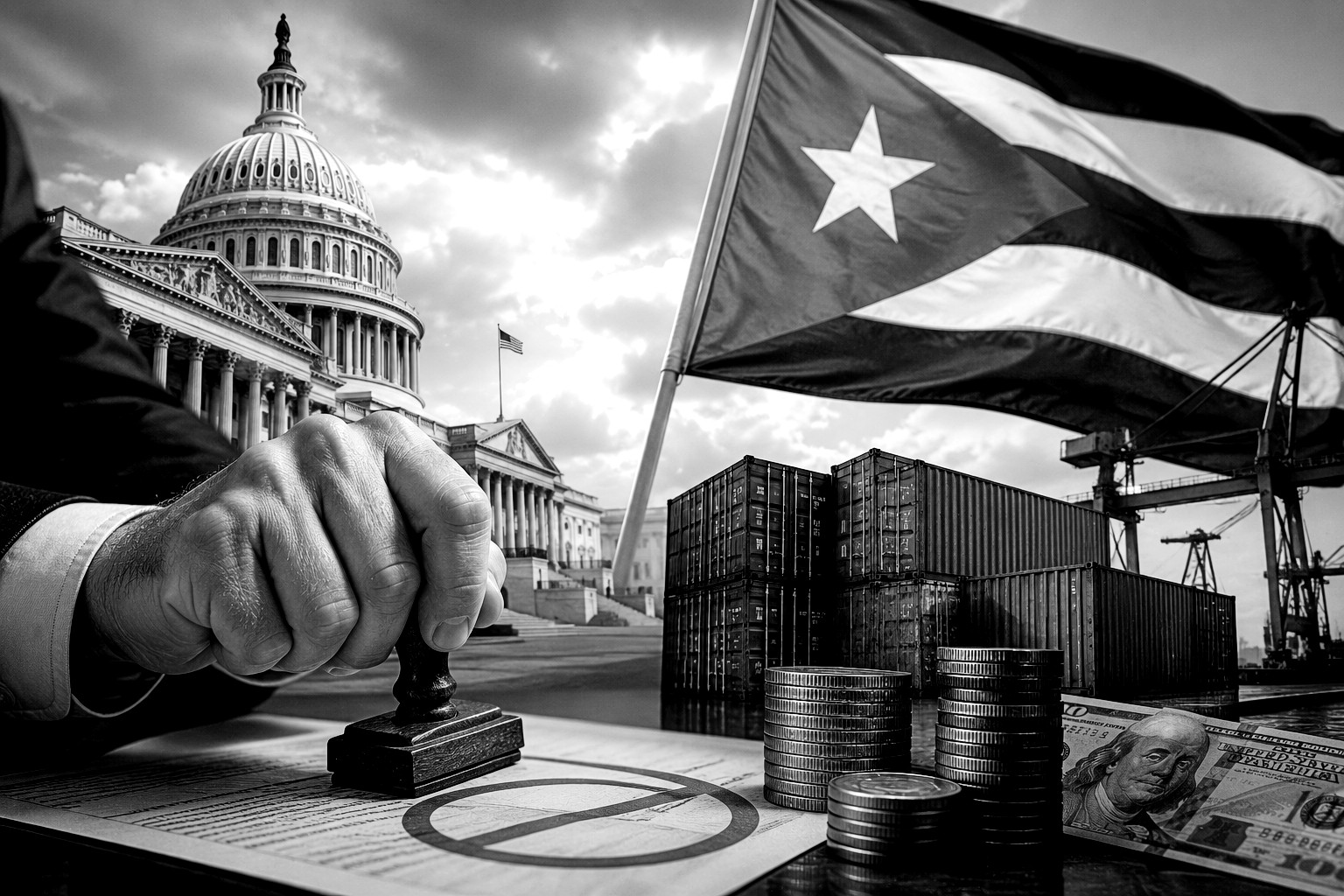
Cuba has unveiled one of the most ambitious economic reform packages in its modern history, signalling a potential turning point for the island nation as it seeks to revitalise growth, attract investment and expand opportunities for private enterprise. The measures represent the most significant economic transformation undertaken in decades and could reshape the country’s economic landscape in the years ahead.
A broad programme of modernisation
The reform package focuses on decentralisation, greater economic flexibility and improved efficiency across both public and private sectors. Municipal governments will receive substantially more authority over local economic development, while state-owned enterprises will gain greater autonomy in managing imports, exports, foreign currency operations and employee compensation structures.
At the same time, authorities are expanding the role of private enterprise by opening additional economic sectors to private participation under a regulatory framework designed to encourage entrepreneurship while maintaining national development objectives.


New opportunities for investors
One of the most closely watched aspects of the reforms is the government’s decision to simplify foreign direct investment procedures. Officials hope that a more streamlined process will attract fresh capital and stimulate economic activity across multiple industries.
The reforms also allow Cubans living abroad to invest in and own businesses on the island, creating new links between Cuba and its global diaspora. This measure is expected to unlock additional investment flows while encouraging knowledge transfer, business partnerships and international market access.
Analysts suggest that sectors such as tourism, financial services, digital payments, agriculture, renewable energy and technology could benefit significantly if the reforms are successfully implemented.
Digitalisation and transparency
The reform programme places a strong emphasis on digital transformation. Authorities plan to accelerate the adoption of digital systems throughout the economy to improve efficiency, strengthen transparency and reduce tax evasion.
In parallel, renewable energy development has been identified as a strategic priority. New investments in solar power infrastructure are expected to help address persistent energy shortages while supporting long-term sustainability goals.
Addressing economic challenges
The reforms come at a time when Cuba faces a range of economic pressures, including inflation, energy constraints and limited access to international financing. Government officials have described the measures as necessary to boost productivity, modernise economic management and strengthen resilience against external shocks.
While challenges remain, the reforms indicate a willingness to pursue new economic approaches in order to support growth and improve living standards.
Looking ahead
The coming months will determine whether the reform package can translate from policy announcements into practical economic progress. Investors, entrepreneurs, international businesses and members of the Cuban diaspora will be closely monitoring implementation.
If successfully executed, the reforms could mark the beginning of a gradual transition towards a more diversified, dynamic and investment-friendly Cuban economy, opening new opportunities across Latin America and the Caribbean.
Newshub Editorial in North America – 23 June 2026

If you have an account with ChatGPT you get deeper explanations,
background and context related to what you are reading.
Open an account:
Open an accountCuba has unveiled one of the most ambitious economic reform packages in its modern history, signalling a potential turning point for the island nation as it seeks to revitalise growth, attract investment and expand opportunities for private enterprise. The measures represent the most significant economic transformation undertaken in decades and could reshape the country’s economic landscape in the years ahead.
Recent Comments