
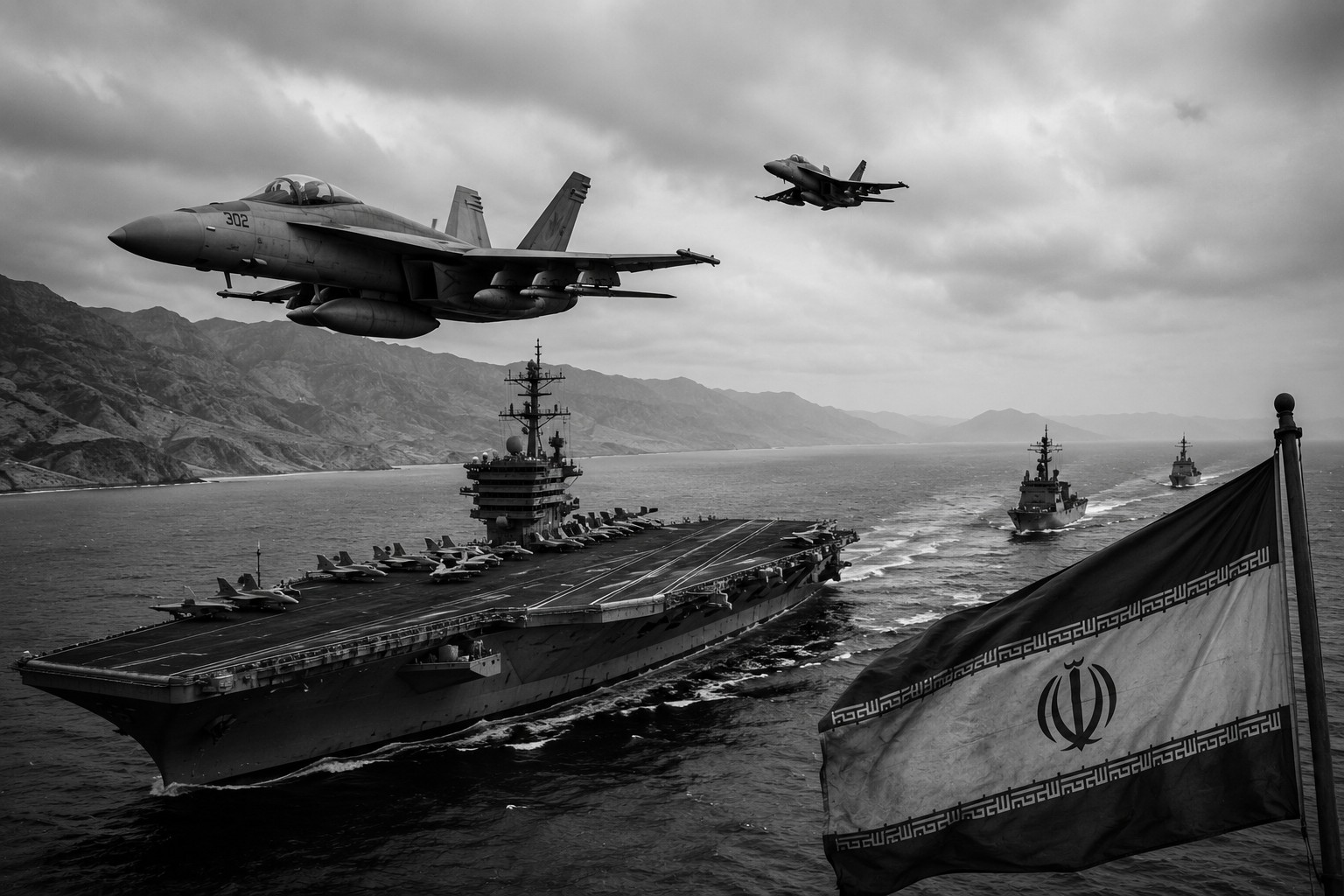
The financial cost of the United States’ military confrontation with Iran has climbed to approximately $29 billion in just two months, according to updated estimates released by Pentagon officials. The sharp increase underscores the enormous economic burden of modern military operations as tensions continue to reshape global markets, energy flows and geopolitical risk calculations.
The updated figure was disclosed by senior Pentagon financial official Jules Hurst III, who confirmed that earlier estimates of roughly $25 billion had now been revised upward following ongoing internal assessments by the US military and defence comptroller teams.
Speaking about the evolving calculations, Hurst stated that the costs associated with the conflict were now believed to be “closer to 29” billion dollars, reflecting the rapidly expanding operational demands placed on the American military apparatus.

The figures provide one of the clearest public indications yet of the scale and intensity of the current confrontation involving the United States and Iran.
Military operations driving soaring expenditures
The growing cost reflects a combination of factors including naval deployments, missile defence systems, aerial operations, logistics, intelligence coordination and heightened regional military readiness across the Middle East.
The US has significantly increased its military posture around key maritime routes and strategic infrastructure following escalating tensions in the region. Aircraft carrier strike groups, long-range bombers and advanced missile systems have all reportedly formed part of the expanded operational framework.
Defence analysts note that modern warfare imposes enormous financial pressure even without prolonged ground operations. Precision-guided munitions, satellite surveillance, cyber operations and global force mobilisation create expenditure levels that can rise dramatically within short periods.
The Pentagon has not yet provided a comprehensive breakdown of the updated $29 billion estimate, though experts believe fuel costs, equipment replacement, operational tempo and force protection measures are among the largest contributors.
Global economic implications intensify
The conflict has also generated wider economic repercussions beyond direct military spending. Energy markets remain highly sensitive to developments involving Iran due to the country’s strategic position near the Strait of Hormuz, one of the world’s most critical oil transit corridors.
Oil prices have experienced heightened volatility as traders assess the risk of supply disruptions, shipping insecurity or broader regional escalation. Insurance costs for maritime transport through the Gulf region have also risen sharply in recent weeks.
Meanwhile, investors have increasingly shifted capital toward traditional safe-haven assets including gold, US Treasury bonds and defensive currencies as geopolitical uncertainty deepens.
Economists warn that prolonged military expenditures could place additional strain on already elevated US fiscal deficits. Washington continues to manage substantial debt obligations while balancing domestic spending priorities alongside expanding defence commitments.
Questions over long-term sustainability
The rising cost figures are likely to intensify political debate within the United States over the long-term sustainability and strategic objectives of the military campaign.
Critics argue that extended conflict risks creating another open-ended regional engagement with mounting financial and geopolitical consequences. Supporters of the operation, however, contend that maintaining military deterrence remains essential for regional stability and global energy security.
The Pentagon has indicated that spending estimates will continue to evolve as operational assessments are updated. Analysts caution that total costs could rise considerably further if tensions persist or military activity expands.
For global markets, the growing financial toll highlights how rapidly geopolitical crises can translate into major economic burdens, not only for governments directly involved but also for global trade systems and investor confidence worldwide.
Newshub Editorial in North America – May 13, 2026

If you have an account with ChatGPT you get deeper explanations,
background and context related to what you are reading.
Open an account:
Open an account
Recent Comments