
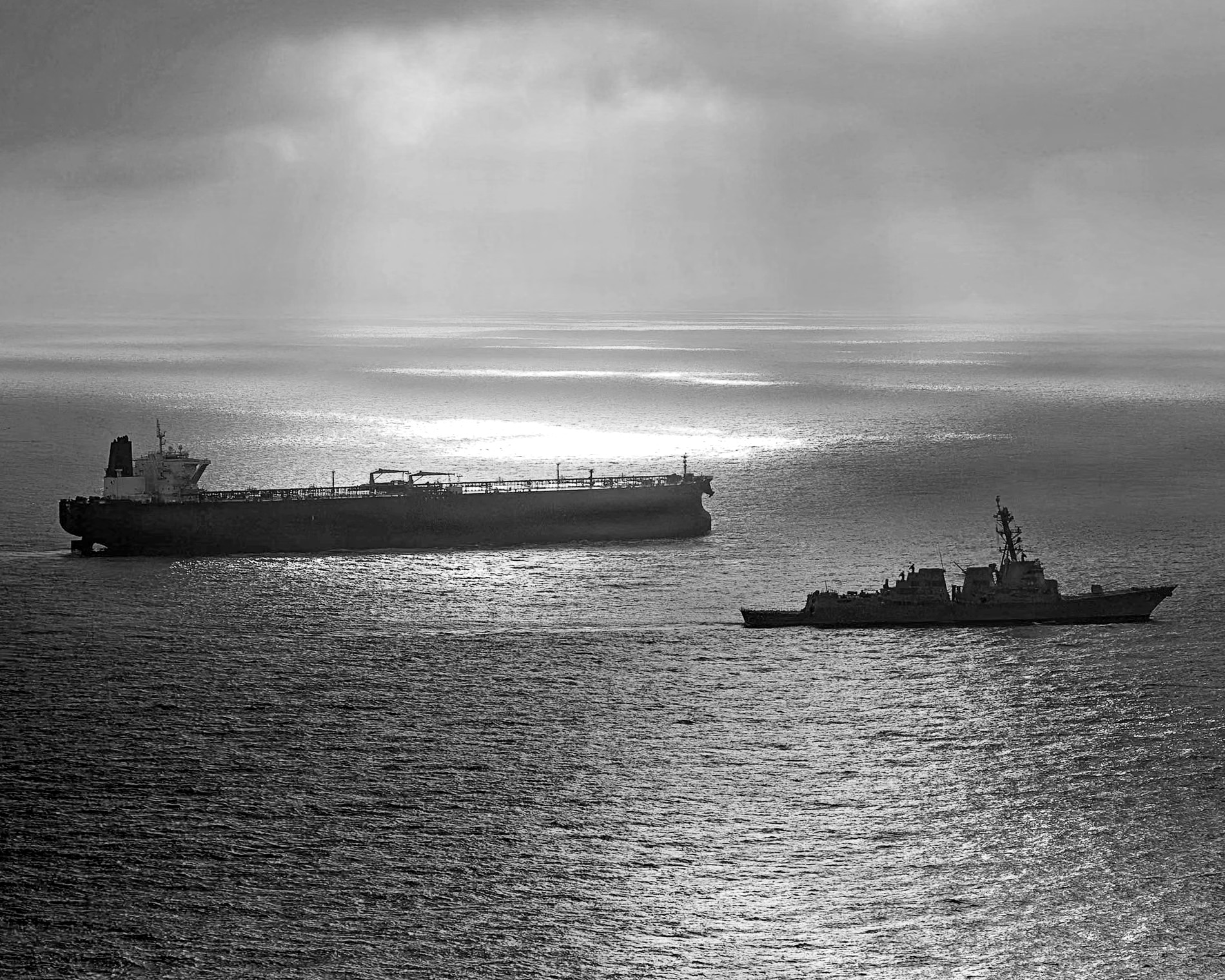
The United States is awaiting a formal response from Iran regarding a proposed ceasefire framework aimed at reducing tensions in and around the Strait of Hormuz, according to US Secretary of State Marco Rubio. Diplomatic efforts continued on Friday despite renewed military exchanges and growing concerns over the stability of one of the world’s most strategically important shipping corridors.
Speaking to reporters in Rome, Rubio said Washington hoped Tehran would deliver what he described as a “serious offer” that could form the basis for broader negotiations. The proposed agreement reportedly includes a temporary ceasefire period alongside discussions surrounding maritime security and Iran’s nuclear programme.
The latest diplomatic push comes after several days of intensified military activity near the Strait of Hormuz, where the United States and Iran have accused each other of violating an already fragile truce. The narrow waterway remains a critical route for global oil exports and international shipping.

Fighting continued despite ceasefire efforts
US military forces reportedly targeted Iranian-linked vessels attempting to enter restricted areas near Iranian ports, while Tehran claimed retaliatory drone and missile operations against US naval assets and regional targets. Both sides publicly insisted they did not seek a wider escalation, although tensions remained elevated throughout Friday.
Iranian officials described the current situation as a “nominal ceasefire”, suggesting that negotiations remain highly uncertain. Meanwhile, President Donald Trump stated that the ceasefire technically remained in effect, while also warning that the United States would respond forcefully if diplomacy collapsed.
International mediators, including officials from Pakistan and Qatar, continued efforts to keep negotiations alive. Diplomatic channels reportedly remain active behind closed doors despite repeated clashes and increasingly aggressive rhetoric from both Washington and Tehran.
Global markets watching closely
The situation in the Strait of Hormuz has become a major concern for global energy markets. The route handles a significant share of the world’s oil and liquefied natural gas shipments, meaning any prolonged disruption could trigger further volatility in crude prices and global inflation.
Shipping operators, insurers and governments across Europe and Asia continued monitoring developments closely on Friday as military activity in the Gulf region persisted. Several commercial vessels reportedly delayed or altered routes amid fears of escalation.
Analysts warned that even a temporary breakdown in negotiations could significantly impact global trade flows and energy supply chains. However, some investors remained cautiously optimistic that ongoing diplomatic discussions may prevent a broader regional conflict.
A fragile diplomatic window remains open
The current negotiations represent one of the most serious diplomatic attempts in recent weeks to stabilise the crisis. The proposed framework reportedly includes a 60-day ceasefire period and broader talks surrounding sanctions, regional security and maritime access through the Strait of Hormuz.
Despite continued fighting, officials on both sides have avoided fully abandoning negotiations. Whether Tehran accepts the latest proposal may determine whether the region moves toward de-escalation or a renewed military confrontation in the weeks ahead.
Newshub Editorial in North America – May 9, 2026

If you have an account with ChatGPT you get deeper explanations,
background and context related to what you are reading.
Open an account:
Open an account
Recent Comments