
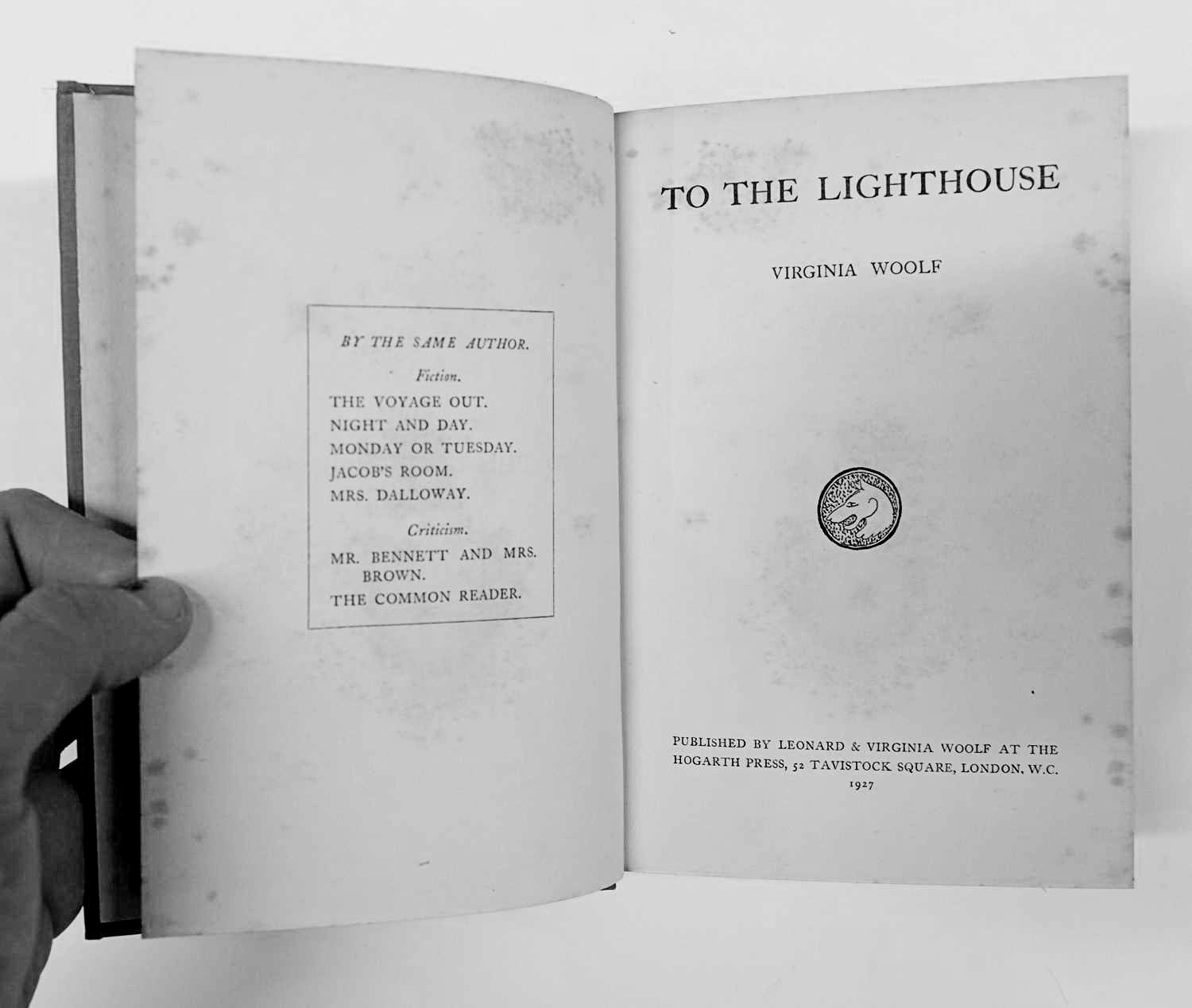
On 5 May 1927, English author Virginia Woolf published To the Lighthouse, a novel that would become one of the defining works of modernist literature and permanently reshape how fiction could portray memory, time and human consciousness. Nearly a century later, the book remains one of the most studied and influential novels in the English-speaking world, continuing to inspire writers, academics and filmmakers across generations.
Written during a period of profound experimentation in European literature, To the Lighthouse departed sharply from the traditional narrative structures that had dominated the nineteenth century. Rather than relying on linear plot development or dramatic external events, Woolf focused on the inner lives of her characters, exploring thoughts, emotions and fleeting impressions with extraordinary psychological depth.
The novel centres on the Ramsay family and their visits to a holiday house on the Isle of Skye in Scotland before and after the First World War. Yet the true subject of the book is not simply family life. Woolf examined the passing of time, the fragility of relationships, artistic ambition, grief and the search for meaning in a rapidly changing world.

A revolution in literary technique
One of the most innovative aspects of To the Lighthouse was Woolf’s use of stream-of-consciousness narration. Instead of presenting events through a fixed narrator, she allowed readers to move fluidly through the minds of multiple characters, capturing the fragmented and often contradictory nature of human thought.
This approach mirrored broader cultural shifts taking place during the early twentieth century. Following the devastation of World War I, many writers and artists questioned traditional social structures and sought new ways to express uncertainty, trauma and modern identity.
Alongside contemporaries such as James Joyce and T. S. Eliot, Woolf became one of the central figures of literary modernism. Her work challenged readers to engage more actively with narrative and meaning, helping establish modernist fiction as one of the most important artistic movements of the twentieth century.
A deeply personal work
Critics and biographers have long noted the autobiographical elements within the novel. The character of Mrs Ramsay is widely believed to have been inspired by Woolf’s mother, Julia Stephen, whose death profoundly affected the writer during her childhood. The novel’s emotional intensity reflects Woolf’s continuing exploration of memory, loss and family dynamics throughout her career.
Woolf herself was already an established literary figure when the book appeared. Through the Hogarth Press, which she operated together with her husband Leonard Woolf, she also played a major role in publishing experimental literature and intellectual works that might otherwise have struggled to reach readers.
Over time, To the Lighthouse became recognised not only as a literary masterpiece but also as a landmark in feminist literary history. Woolf’s nuanced portrayal of women’s intellectual and emotional lives helped pave the way for future generations of female writers and scholars.
An enduring cultural legacy
Today, To the Lighthouse remains a cornerstone of university literature courses around the world. The novel continues to resonate because of its universal themes: the passing of time, the complexity of family relationships and the human desire to create meaning despite uncertainty.
In an era increasingly shaped by rapid technological change and fragmented attention spans, Woolf’s work still demonstrates the power of introspection and careful observation. Her writing reminds readers that the smallest moments of thought and emotion can hold profound significance.
Nearly 100 years after its publication, To the Lighthouse continues to stand as one of the great achievements of modern literature — a novel that transformed storytelling and secured Virginia Woolf’s place among the most influential writers in literary history.
Newshub Editorial in Europe – 5 May 2026

If you have an account with ChatGPT you get deeper explanations,
background and context related to what you are reading.
Open an account:
Open an account
Recent Comments