
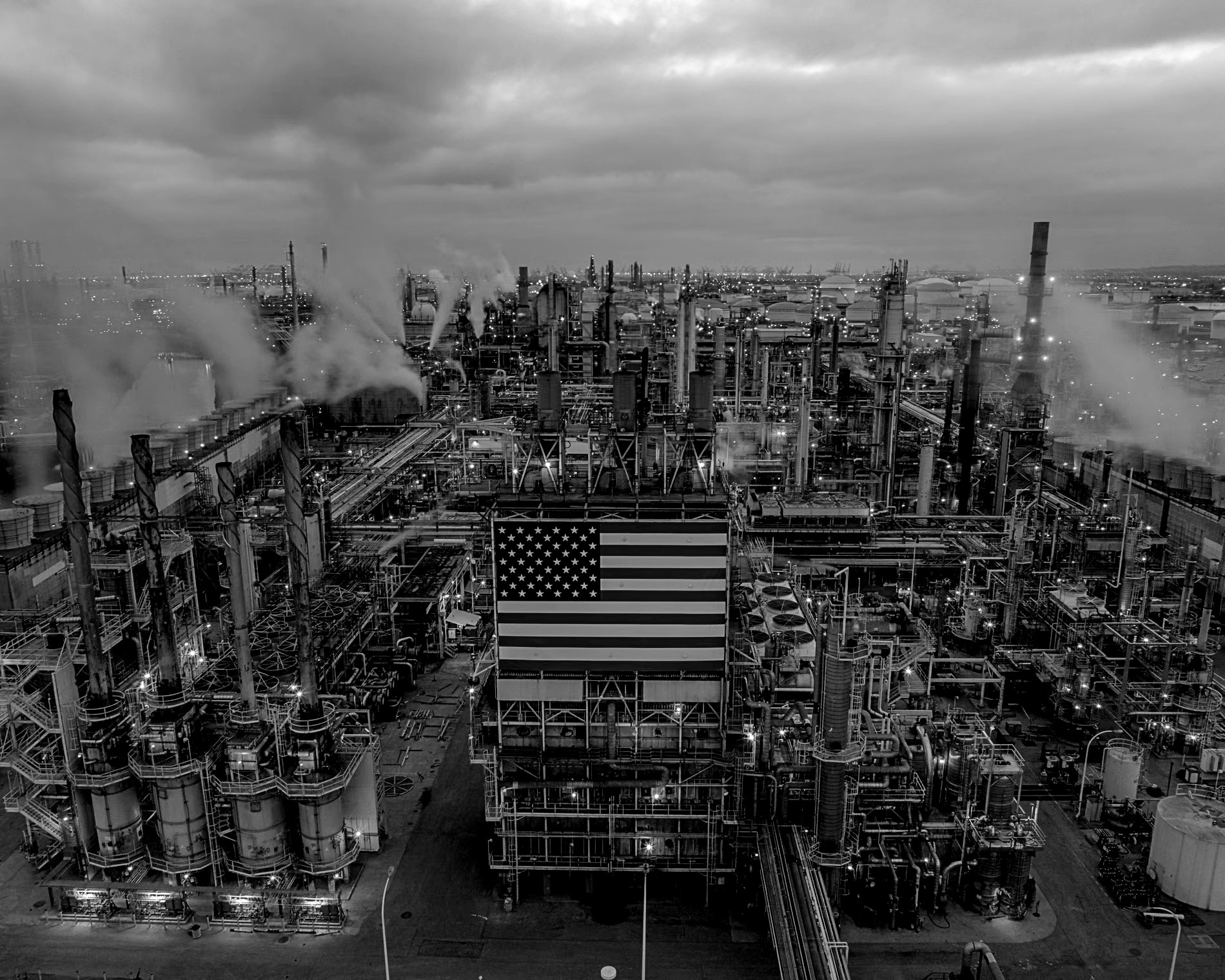
The United States has caused an estimated $10 trillion in global climate-related damage since 1990, according to new research highlighting the economic consequences of historical carbon emissions.
Historical emissions under scrutiny
The study identifies the United States as the largest cumulative emitter of greenhouse gases in modern history, attributing a significant share of global climate damage to its industrial and economic activity over recent decades.
Researchers argue that emissions since 1990 alone have contributed to widespread environmental and economic disruption, including extreme weather events, rising sea levels, and agricultural losses across multiple regions.

The findings reinforce long-standing debates around “climate responsibility,” particularly as developing nations face disproportionate impacts despite contributing less to total emissions.
Economic cost of climate impact grows
The estimated $10 trillion figure reflects the cumulative cost of climate-related damages, including infrastructure destruction, reduced productivity, and increased disaster recovery expenses.
These impacts are not evenly distributed. Lower-income countries, particularly in Africa, Asia, and small island states, are among the most vulnerable, with limited capacity to absorb or mitigate climate-related shocks.
The research underscores how climate change is increasingly viewed not only as an environmental issue but also as a major economic risk with global implications.
Calls for accountability intensify
Scientists and policy experts behind the study argue that the scale of the damage places a heightened responsibility on historically high-emitting countries, particularly the United States, to lead mitigation and adaptation efforts.
This includes calls for increased climate financing, technology transfer, and support for resilience-building in vulnerable regions. The concept of “loss and damage” compensation—financial support for countries affected by climate impacts—is gaining renewed attention in international negotiations.
Policy and transition pressures mount
The findings come at a time when global efforts to reduce emissions are accelerating, with increasing pressure on major economies to transition toward low-carbon energy systems.
For the United States, the report adds to the policy debate around energy transition, industrial regulation, and climate commitments. While progress has been made in renewable energy deployment, the scale of historical emissions continues to shape global expectations.
Implications for global cooperation
The study highlights the interconnected nature of climate risk, where emissions in one region generate economic consequences worldwide. This dynamic reinforces the need for coordinated international action, particularly as climate-related events become more frequent and severe.
At the same time, geopolitical tensions and differing national priorities continue to complicate global climate negotiations, raising questions about how responsibility and costs should be shared.
A growing financial and moral debate
As climate damages continue to accumulate, the discussion is shifting toward accountability and reparative frameworks. The $10 trillion estimate provides a quantifiable basis for these debates, potentially influencing future policy, legal claims, and international agreements.
The findings ultimately underscore a central challenge for the global economy: balancing historical responsibility with forward-looking solutions in a rapidly evolving climate landscape.
Newshub Editorial in North America – March 26, 2026

If you have an account with ChatGPT you get deeper explanations,
background and context related to what you are reading.
Open an account:
Open an account
Recent Comments