
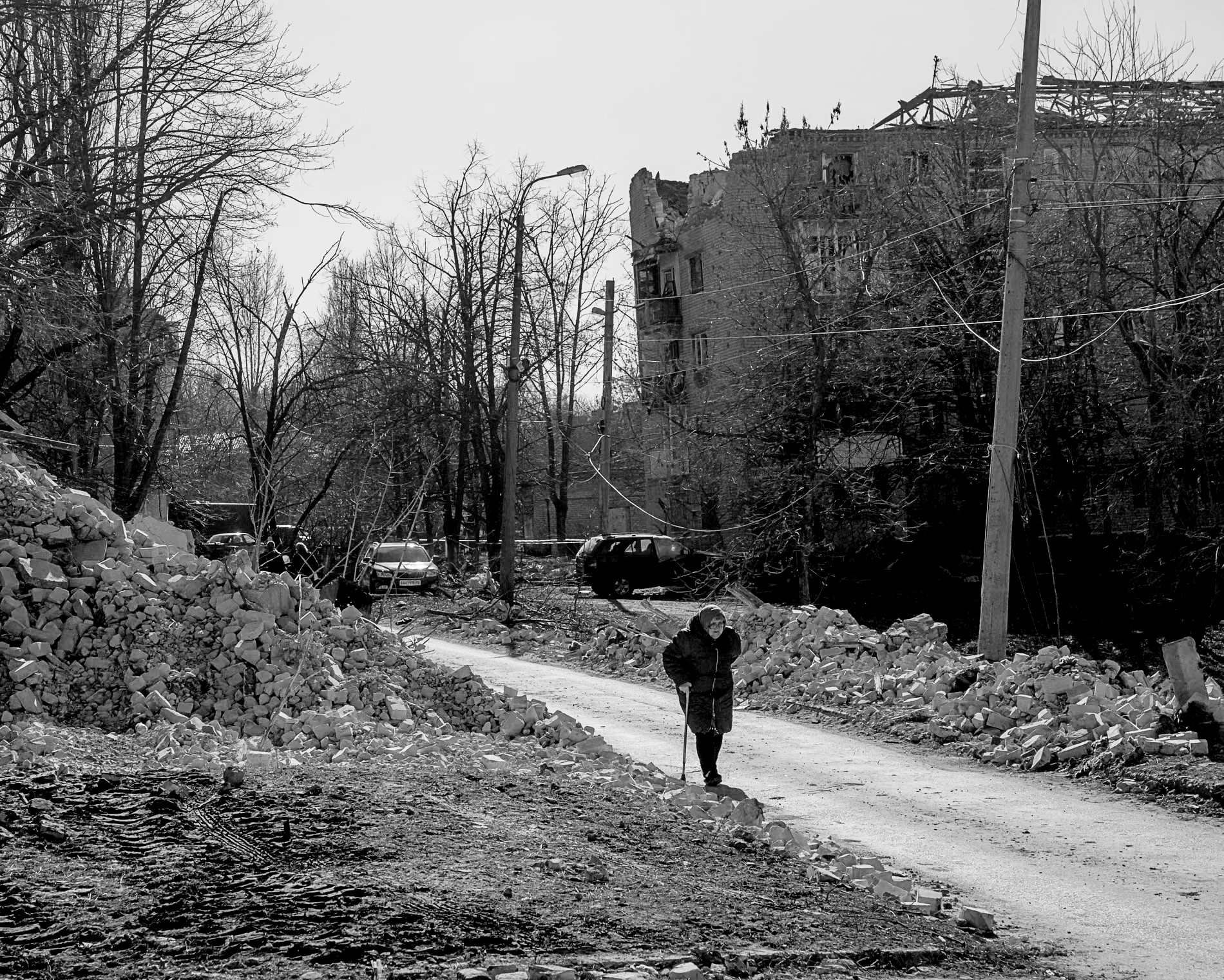
Ukrainian President Volodymyr Zelenskyy has warned that escalating war in the Middle East could weaken international attention and support for Ukraine’s fight against Russia. Speaking amid growing regional tensions, Zelenskyy said the expanding conflict risks diverting military resources, diplomatic focus and financial assistance away from Ukraine at a critical moment in the war.
Concern over shifting global attention
Zelenskyy said the widening confrontation between Iran, Israel and the United States threatens to dominate global political agendas, potentially overshadowing Ukraine’s ongoing defence against Russia’s invasion.
Since the full-scale Russian invasion began in 2022, Ukraine has relied heavily on military aid, financial assistance and diplomatic backing from Western allies, particularly the United States and European countries.


The Ukrainian leader warned that if major powers become increasingly absorbed by events in the Middle East, maintaining the same level of sustained support for Kyiv could become more difficult.
Analysts say global crises often compete for political attention, particularly in Washington and European capitals where governments must balance multiple strategic priorities.
Military resources and funding under pressure
Beyond diplomatic focus, Zelenskyy suggested that expanding military commitments in the Middle East could strain Western defence resources. The United States, NATO members and regional partners may be forced to allocate additional assets to protect shipping routes, secure energy infrastructure and support allies in the Gulf.
Such shifts could potentially slow deliveries of weapons, ammunition and air defence systems that Ukraine has repeatedly requested to counter Russian missile and drone attacks.
Ukraine’s battlefield needs remain extensive, particularly as Russia continues to launch large-scale strikes against Ukrainian infrastructure and urban centres.
Energy markets and economic impact
The Middle East conflict is also creating turbulence in global energy markets, with oil prices rising amid fears of disruptions to shipping through the Strait of Hormuz.
Higher energy costs could have indirect consequences for Ukraine as well. Rising oil and gas prices affect global inflation and economic stability, potentially complicating the ability of Western governments to sustain long-term financial support programmes for Kyiv.
Economists note that geopolitical instability often places pressure on public finances, particularly when governments must increase defence spending or respond to economic shocks.
Ukraine seeks to keep global coalition intact
Despite these concerns, Zelenskyy emphasised the importance of maintaining international unity against Russian aggression. Ukrainian officials continue to engage with Western partners to ensure that support for Ukraine remains a strategic priority.
Kyiv has repeatedly argued that Russia’s invasion represents a broader challenge to international security and the rules-based order, and that weakening support for Ukraine would embolden other geopolitical confrontations.
For Zelenskyy, the key challenge now is ensuring that Ukraine’s war does not fade from the centre of global diplomacy as new crises emerge elsewhere.
A complex global security landscape
The warning highlights how interconnected modern conflicts have become. Events in one region can rapidly influence political calculations, military deployments and economic stability in another.
As tensions in the Middle East continue to rise, Ukraine’s leadership fears that the world’s strategic focus could shift — with potentially serious consequences for the war in Eastern Europe.
For Kyiv, maintaining international attention may now be as crucial as developments on the battlefield itself.
Newshub Editorial in Europe — March 14, 2026

If you have an account with ChatGPT you get deeper explanations,
background and context related to what you are reading.
Open an account:
Open an accountUkrainian President Volodymyr Zelenskyy has warned that escalating war in the Middle East could weaken international attention and support for Ukraine’s fight against Russia. Speaking amid growing regional tensions, Zelenskyy said the expanding conflict risks diverting military resources, diplomatic focus and financial assistance away from Ukraine at a critical moment in the war.
Recent Comments