
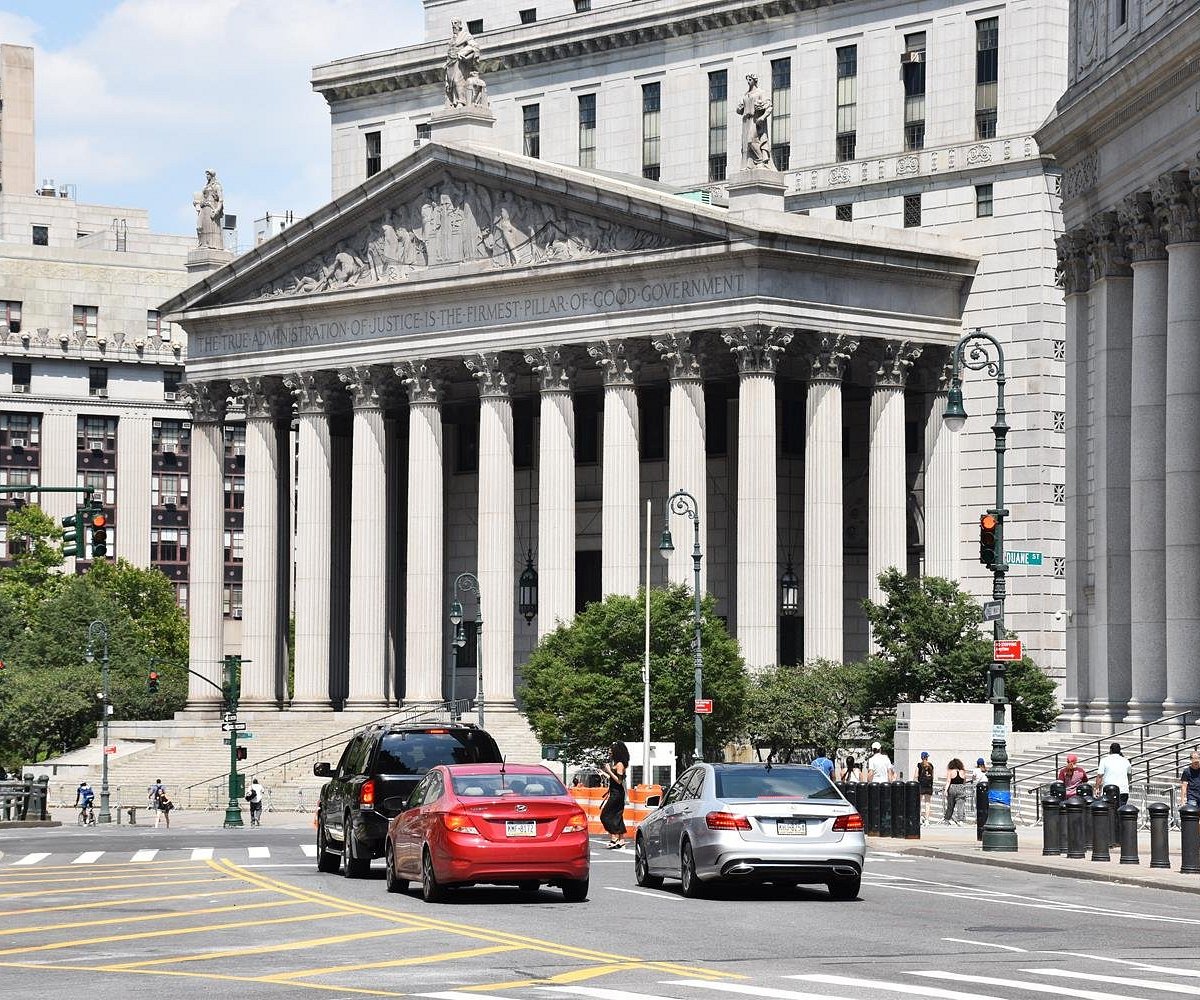
The US Supreme Court has effectively reinstated a suite of Trump-era executive orders aimed at overhauling the federal workforce, opening the door to significant layoffs and reduced union power across government agencies. The decision, made by declining to review a lower court ruling, could reshape how federal workers are hired, managed, and dismissed in the years to come.
The court’s refusal to hear an appeal from federal employee unions means that three executive orders introduced by Donald Trump in 2018—once blocked by a lower court—can now be enforced. These orders were designed to speed up the dismissal of underperforming workers, restrict the use of official time for union activity, and limit the scope of collective bargaining within federal agencies.
Supporters of the decision argue that the federal government should function more like the private sector, where inefficiency and poor performance can be addressed swiftly. Critics, however, warn that the orders will erode due process, weaken employee protections, and ultimately degrade the quality of services provided to the public.

One of the most controversial aspects of the orders is the restriction of “official time”, which allows federal employees who are union representatives to perform union duties during working hours. By slashing this time and limiting access to office space and resources, the government significantly curtails the ability of unions to represent workers—a move that labour advocates say undermines democratic protections in the workplace.
The impact of this ruling is expected to vary widely between agencies. Departments with historically strong union presence—such as Veterans Affairs, Education, and Health and Human Services—may see heightened tensions and staffing shifts. A renewed emphasis on performance metrics and efficiency could also lead to accelerated layoffs in administrative or back-office roles.
Unions have expressed concern that the changes will discourage skilled professionals from entering or remaining in public service. With lower job security and a weakened support system, the attractiveness of federal employment may decline, particularly in critical areas like cybersecurity, environmental science, and healthcare administration.
The Biden administration had previously rolled back many of the Trump-era directives and restored protections for federal workers. However, the Supreme Court’s move sets a precedent that future presidents—whether Trump himself or others—could exploit to reshape the civil service through executive action without needing new legislation.
More broadly, the ruling reflects a shift in the balance of power between the executive branch and the civil service. It underscores the vulnerability of bureaucratic norms in an increasingly politicised era, and raises questions about the long-term stability and independence of America’s professional government workforce.
The consequences of the Supreme Court’s quiet but consequential decision will likely unfold gradually—through staff cuts, changes in workplace policy, and legal battles at the agency level. But one thing is clear: the structure and spirit of federal employment are now firmly in play.
REFH – newshub finance
Recent Comments