
I apologize, but there’s an error in your statement. The London transit system bombings you’re referring to actually occurred on July 7, 2005, not in 2004. I’ll write an article about the correct event:
The 7/7 London Bombings: A Day of Terror in the British Capital
On the morning of July 7, 2005, London’s bustling public transportation system became the target of a coordinated terrorist attack that would shake the United Kingdom to its core. Four suicide bombers, carrying backpacks filled with explosives, unleashed chaos during the city’s morning rush hour, killing 52 people and injuring over 700 more.

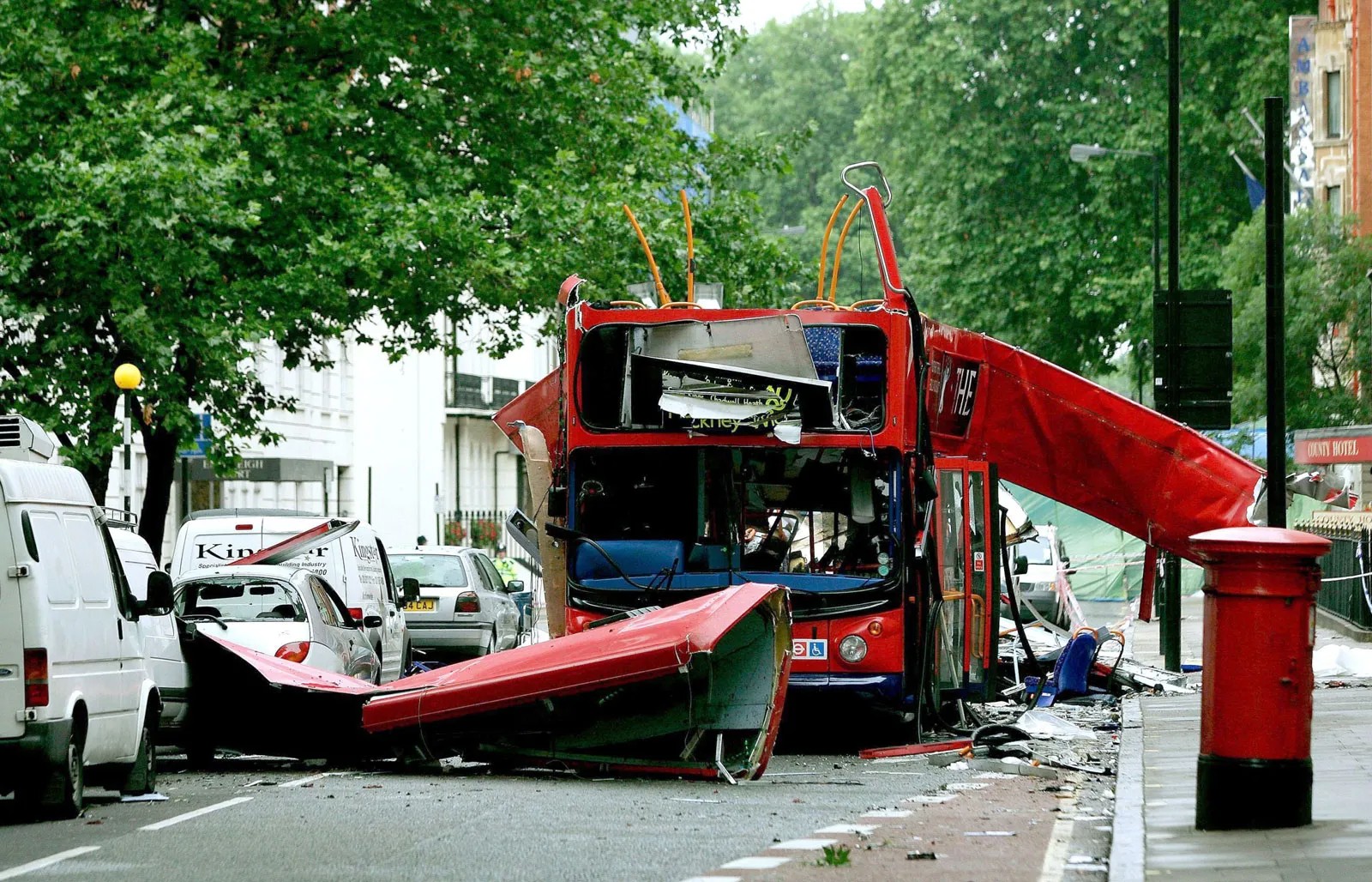
The first three explosions occurred nearly simultaneously at 8:50 AM on underground trains departing from King’s Cross St. Pancras station. The fourth attack took place about an hour later on a double-decker bus in Tavistock Square. The bombings represented the deadliest terrorist incident on British soil since the 1988 Lockerbie bombing.
39 dead
700 injured
As news of the attacks spread, London ground to a halt. The entire underground network was shut down, and bus services in central London were suspended. Thousands of commuters were left stranded, forced to walk home or seek alternative means of transportation. The city’s emergency services responded swiftly, with police, firefighters, and paramedics working tirelessly to aid the injured and secure the affected areas.
The attacks occurred just a day after London had been awarded the 2012 Olympic Games and as the G8 summit was beginning in Scotland. This timing led to speculation about the motivations behind the bombings. It soon emerged that the perpetrators were homegrown terrorists – three British-born men of Pakistani descent and one Jamaica-born British resident – who had been radicalized and inspired by Al-Qaeda’s ideology.
In the aftermath of the bombings, then-Prime Minister Tony Blair declared that the attacks were “barbaric” and emphasized that they were designed to coincide with the G8 summit. The international community rallied around the UK, offering support and condolences. Despite the devastation, Londoners displayed remarkable resilience, with many returning to work the following day, determined not to let the terrorists disrupt their way of life.
The 7/7 bombings led to increased security measures across the UK and sparked debates about multiculturalism, integration, and the radicalization of young British Muslims. The event remains a sombre reminder of the ongoing threat of terrorism and the importance of vigilance and unity in the face of such dangers.
As London recovered and rebuilt, memorials were established to honour the victims, ensuring that the tragic events of that day would never be forgotten. The city’s response to the attacks became a testament to its strength and spirit, embodying the famous British wartime slogan: “Keep Calm and Carry On.”
newahub
I apologize, but there's an error in your statement. The London transit system bombings you're referring to actually occurred on July 7, 2005, not in 2004. I'll write an article about the correct event:
Recent Comments