
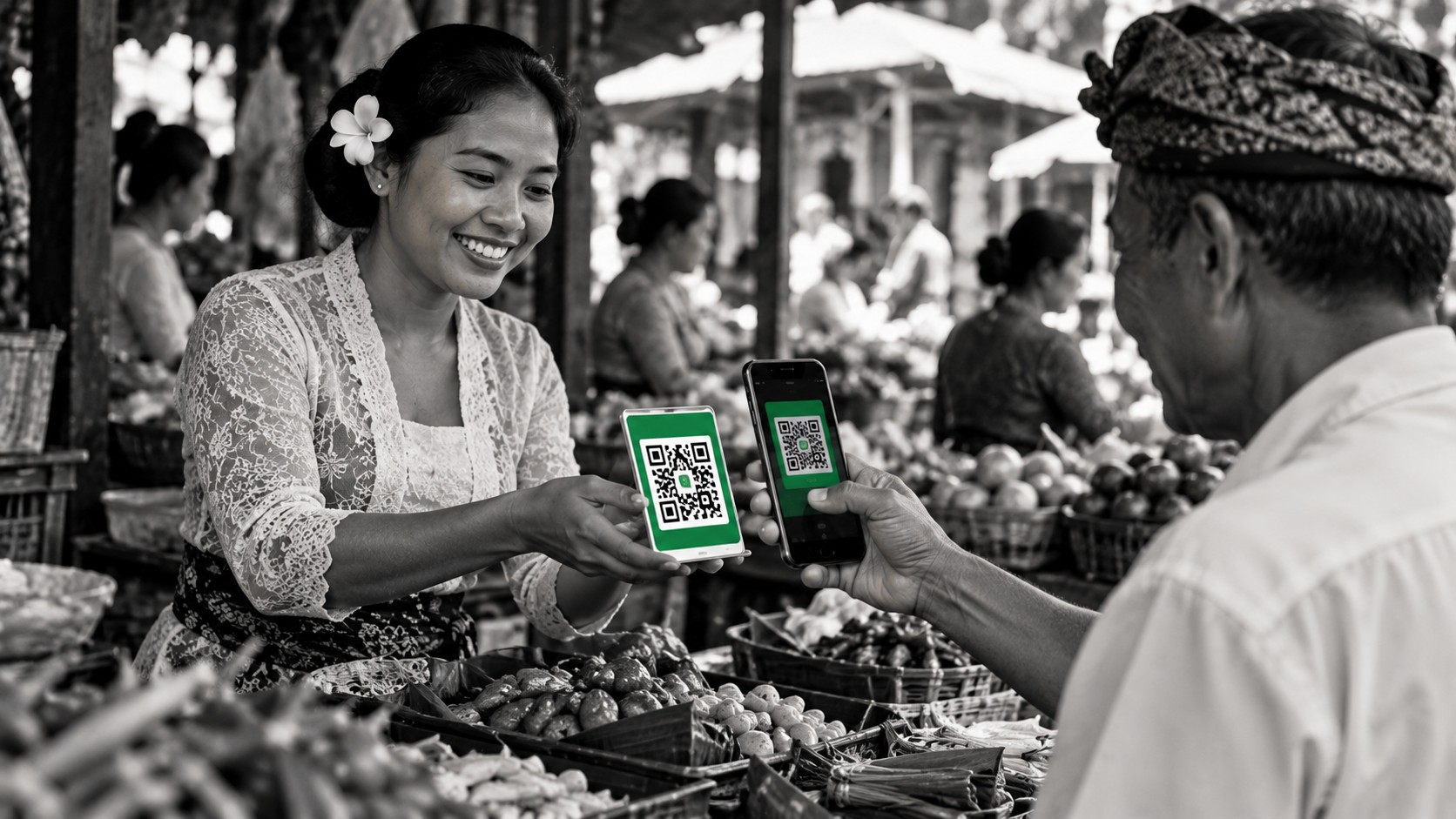
President Prabowo Subianto launches a new National Council for Financial Well-being as Indonesia moves beyond expanding access to banking services towards improving the financial security of millions of families and small businesses.
JAKARTA, 31 October 2026 – Indonesia is taking a significant step towards redefining financial inclusion, introducing a national strategy that measures success not simply by the number of people with bank accounts, but by whether financial services genuinely improve household prosperity and economic resilience.
President Prabowo Subianto officially launched the National Council for Financial Well-being on 22 October, replacing the previous National Council for Financial Inclusion under Government Regulation Number 42 of 2026.


The initiative represents a broader approach to financial development in Southeast Asia’s largest economy, with particular implications for low-income households, informal workers and micro, small and medium-sized enterprises.
From financial access to financial security
Indonesia has made substantial progress in expanding access to formal financial services. According to the country’s 2025 National Financial Literacy and Inclusion Survey, financial inclusion reached 92.74%, while financial literacy stood at 66.46%.
The difference highlights a central challenge: access to a financial account does not necessarily mean people understand financial products or can manage economic emergencies.
The government’s revised strategy therefore emphasises financial knowledge, responsible borrowing, savings, insurance and household resilience.
Small businesses at the centre of reform
Micro and small enterprises remain essential to Indonesia’s economy, particularly in rural communities where traditional banking services can be limited.
The International Labour Organization, working with Indonesia’s Financial Services Authority and government ministries, launched the third phase of its Promise to Impact programme in October.
The initiative aims to strengthen financial services for smaller enterprises while improving digital banking infrastructure and supporting sustainable livelihoods.
Digital finance creates new opportunities
Indonesia’s expanding digital payments ecosystem offers opportunities to connect underserved communities with formal financial services.
Mobile banking, digital wallets and interoperable payment systems can reduce transaction costs and improve accessibility, particularly for small merchants and workers operating outside conventional banking networks.
However, affordability, digital literacy and consumer protection remain essential to preventing financial exclusion from taking new forms.
A model for financial inclusion across Asia
Indonesia’s policy shift reflects a wider regional debate about how governments should measure the impact of financial inclusion.
Rather than focusing exclusively on account ownership, policymakers are increasingly considering whether financial services help families withstand financial shocks, invest in businesses and improve their long-term prospects.
For Indonesia, the success of the new council will depend on translating these ambitions into measurable improvements in household financial well-being.
The message is increasingly clear: genuine financial inclusion is not simply about opening accounts. It is about creating lasting economic opportunity.
NewsHub Finance | Financial Inclusion | 31 October 2026
President Prabowo Subianto launches a new National Council for Financial Well-being as Indonesia moves beyond expanding access to banking services towards improving the financial security of millions of families and small businesses.

Recent Comments