
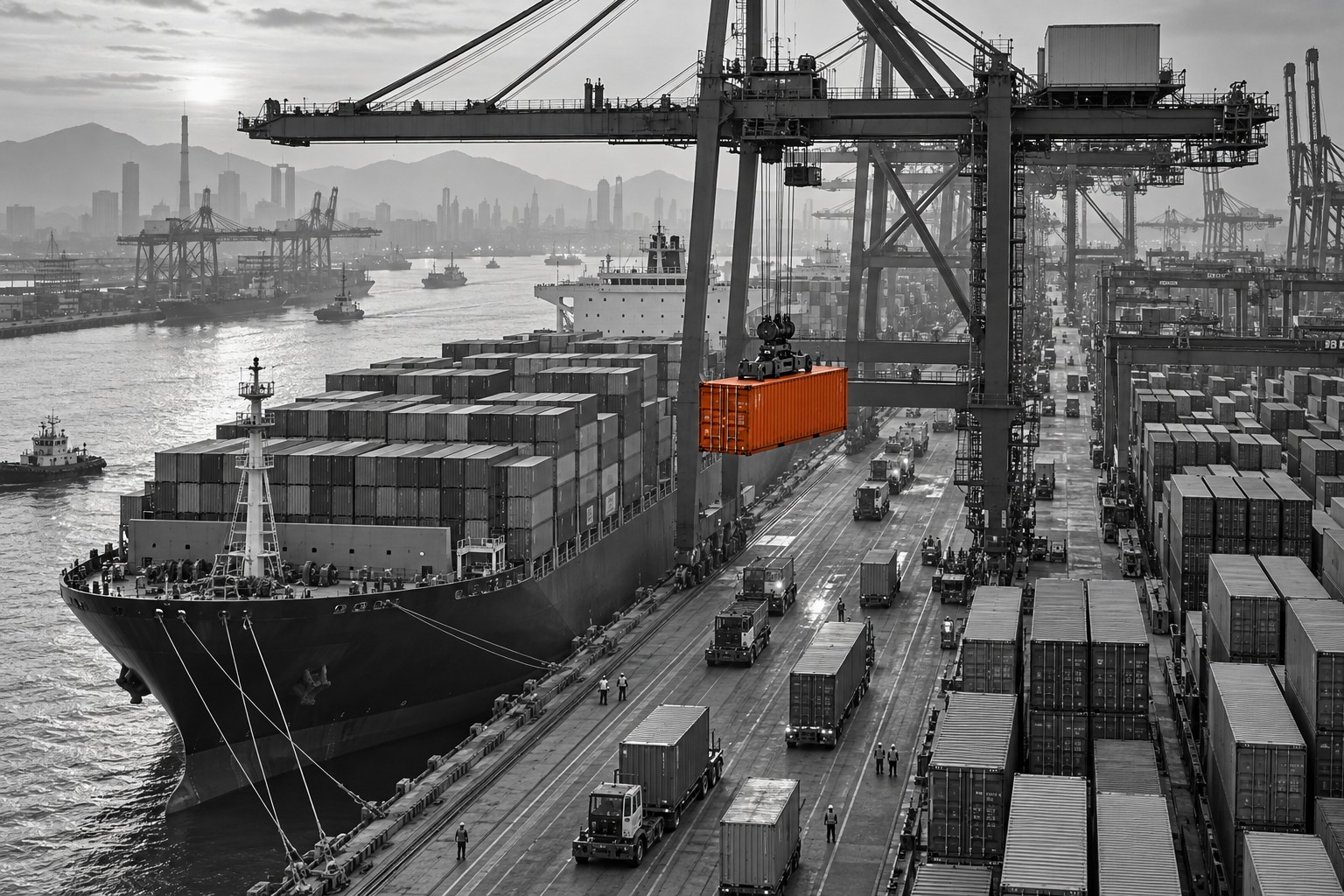
The world economy is expected to grow by 2.6% in 2026, down from 2.9% last year, according to UN Trade and Development. Its latest assessment highlights rising energy costs and geopolitical uncertainty, while pointing to developing economies’ continuing role in growth and the reorganisation of international trade.
Published on 9 October, UNCTAD’s Trade and Development Report presents an uneven economic outlook. Developing economies are projected to expand by approximately 4% this year, compared with 4.7% in 2025. They remain ahead of the global average, but face significant differences in access to investment, technology and export opportunities.
Trade expands despite weaker growth
Global trade in goods and services is forecast to increase by around 4% in real terms in 2026, following a record trade value of $35 trillion in 2025.


Continued trade expansion does not necessarily translate into broadly shared prosperity. Higher energy and transport costs can increase import bills and squeeze business margins, particularly in countries dependent on overseas supplies of fuel, food and industrial materials.
For smaller firms, these pressures can make working capital harder to manage and investment decisions more difficult, even where demand for their products remains resilient.
Commercial relationships are changing
UNCTAD reports that trade between China and the United States has declined by more than 20% since 2024. Meanwhile, parts of Asia are strengthening commercial connections across multiple markets.
These shifts create potential openings for economies able to attract investment and develop competitive production networks. However, redirecting trade does not automatically generate higher-value employment or stronger domestic industries.
Artificial intelligence is also supporting demand for technology products, although the resulting gains remain concentrated among a relatively narrow group of countries and businesses.
Financial access remains an important condition
Participation in international commerce requires more than access to customers. Businesses also need reliable payments, foreign exchange services and trade finance, alongside transport, energy and communications infrastructure.
Digital financial services could reduce some transaction barriers for smaller enterprises. Their contribution will depend on affordability, effective regulation and the availability of suitable financing.
The outlook therefore points to opportunity alongside vulnerability. Emerging economies can play a larger role in global commerce, but converting shifting trade flows into lasting improvements in productivity and living standards will require investment and consistent policy implementation.
Newshub Editorial in Europe – 10 October 2026
The world economy is expected to grow by 2.6% in 2026, down from 2.9% last year, according to UN Trade and Development. Its latest assessment highlights rising energy costs and geopolitical uncertainty, while pointing to developing economies’ continuing role in growth and the reorganisation of international trade.
Recent Comments