
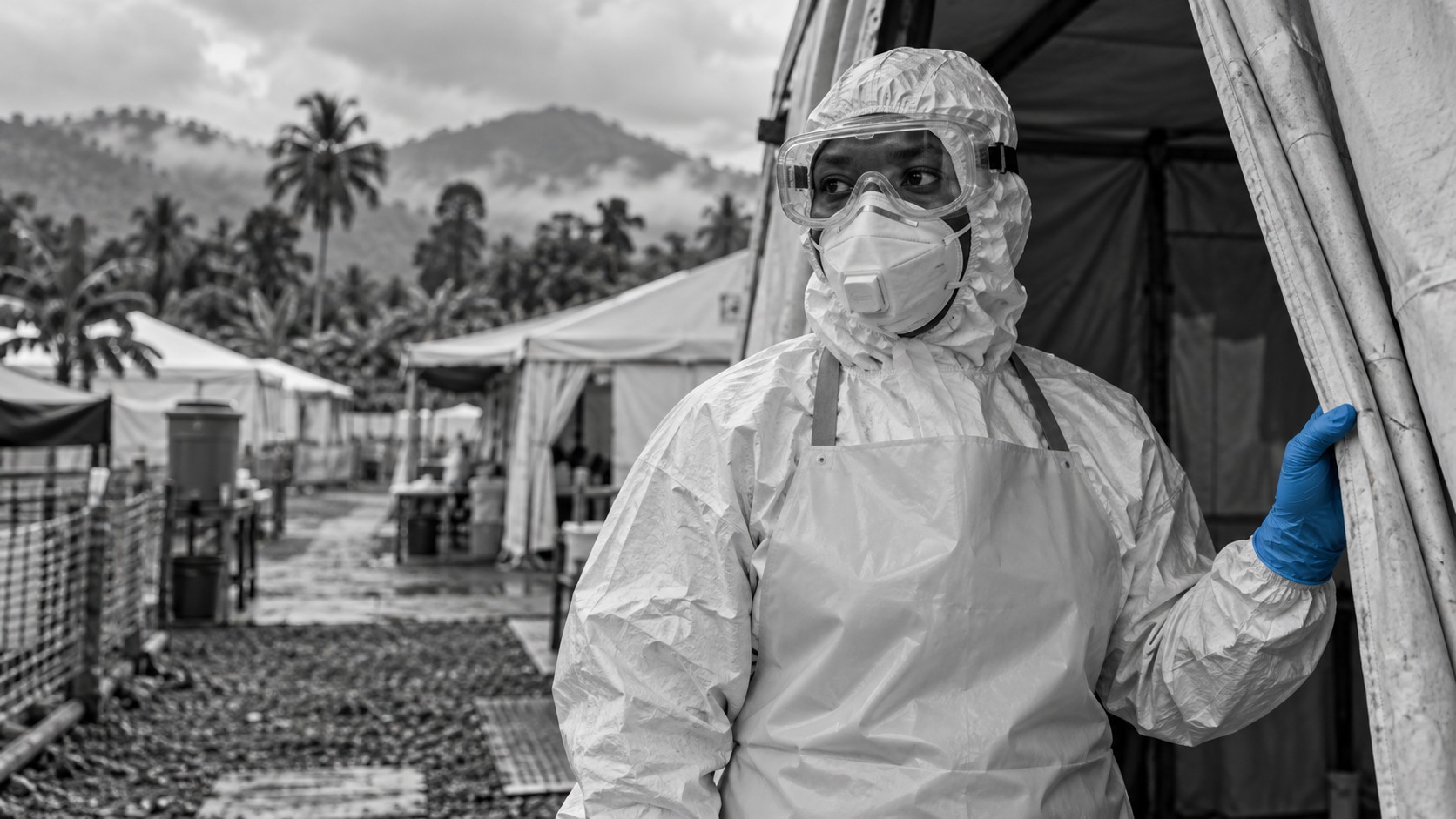
The Democratic Republic of the Congo’s largest recorded Ebola outbreak has surpassed 8,000 confirmed infections, with nearly 4,000 deaths. As the disease reaches additional communities, conflict, displacement and fragile healthcare services are complicating efforts to contain an emergency with consequences beyond the country’s borders.
The latest reported national figures stand at 8,067 confirmed cases and 3,901 deaths. The outbreak, caused by Bundibugyo virus, has placed extraordinary pressure on medical teams and families across affected regions.
An expanding emergency
By 23 September, the outbreak had affected 63 health zones across seven provinces. Ituri remains the epicentre, while North Kivu has experienced particularly intense transmission.

Newly affected areas include Dungu, near South Sudan, and Bulu in Sud-Ubangi. This geographical expansion increases the challenges of surveillance and cross-border coordination.
However, the picture is uneven. Transmission has declined from earlier peaks in some areas, meaning rising cumulative totals should not be confused with an accelerating outbreak everywhere.
Children face the greatest danger
Children under five have experienced a case-fatality ratio exceeding 60%, compared with around 40% among adults. Many young children have died outside specialised Ebola treatment centres, highlighting gaps in recognition, referral and access to care.
Earlier diagnosis, appropriate equipment and sufficient nursing staff are essential. Children also need nutrition, emotional support and a caregiver alongside them during treatment.
Conflict complicates containment
Insecurity and displacement restrict the ability of response teams to identify infections, monitor contacts and reach patients. More than 32,000 identified contacts required follow-up as of 23 September.
There is currently no approved vaccine or specific treatment for Bundibugyo virus disease. Supportive care remains critical, alongside isolation, infection prevention, safe burials and community engagement.
The regional economic stakes
A prolonged outbreak could disrupt local commerce, transport and household incomes, particularly where families depend on daily earnings. Additional pressure on healthcare services could also undermine treatment for other illnesses.
These are potential economic consequences rather than a quantified assessment of losses.
The immediate regional priority remains coordinated containment. WHO assesses the risk as high for countries sharing land borders with Congo, while maintaining a low global risk assessment and advising against travel or trade restrictions.
Congo’s experience in fighting Ebola is substantial. Turning that experience into lasting control depends on whether care and surveillance can consistently reach the communities most exposed.
Newshub Editorial in Africa – 28 September 2026

Ask NF GPT
If you have an account with ChatGPT you get deeper explanations,
background and context related to what you are reading.
Recent Comments