
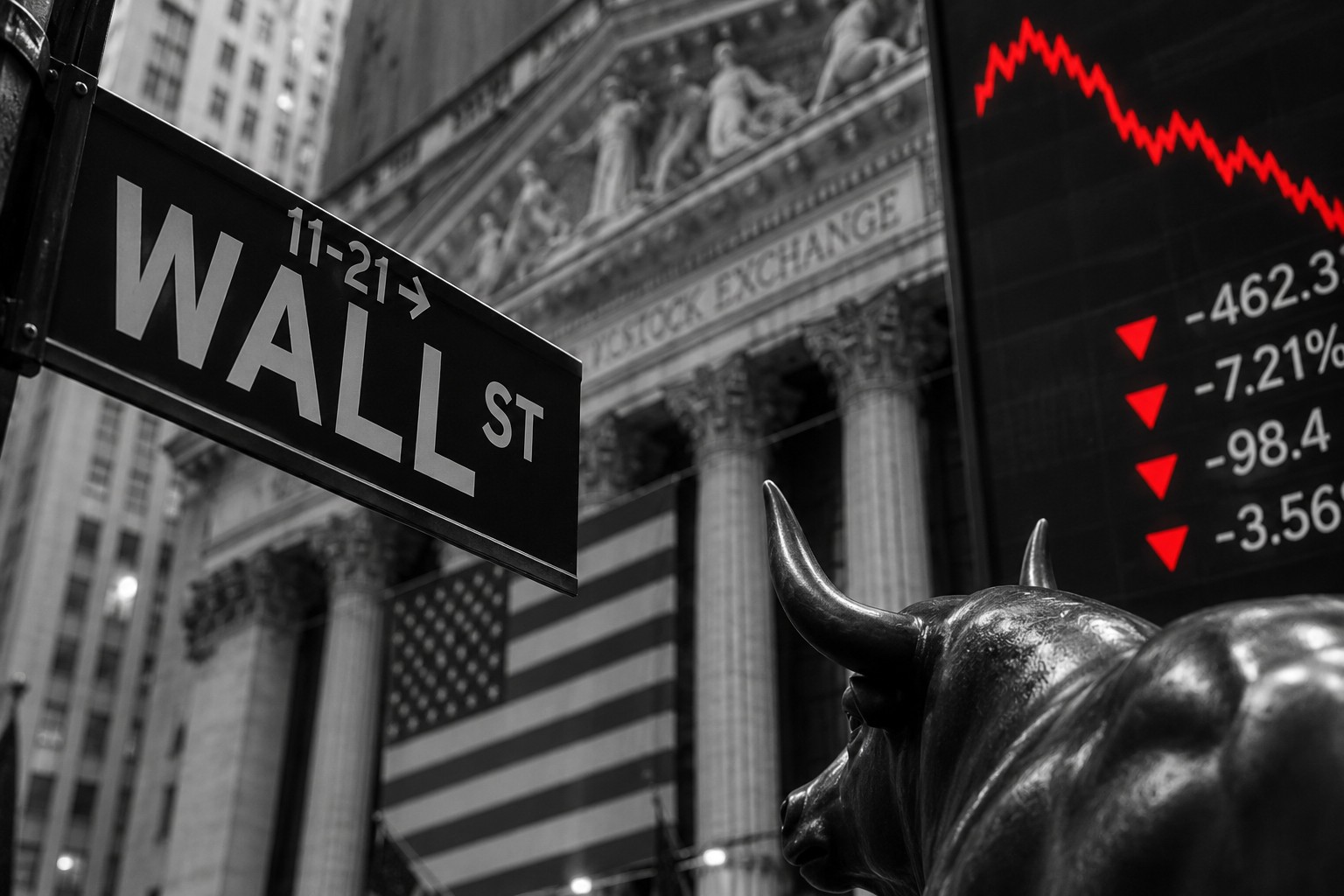
Global financial markets have been hit by a sudden shift in interest-rate expectations after surprisingly strong US employment figures revived fears that the Federal Reserve could raise rates this month, sending Treasury yields and the dollar higher while pushing Wall Street lower.
Jobs surprise changes the equation
The US economy added 162,000 jobs in August, almost three times the 56,000 expected by economists. The unemployment rate remained at 4.1 per cent, while previous employment figures for June and July were also revised higher.
The strength of the labour market immediately changed expectations surrounding the Federal Reserve’s September meeting. Markets moved to price in a greater probability of a 25-basis-point rate increase, reversing some of the optimism that had developed only a day earlier.

Wall Street reacts
US equities fell on Friday as investors reassessed the outlook for borrowing costs. The Dow Jones Industrial Average dropped around 0.5 per cent, while the S&P 500 and Nasdaq Composite also finished lower.
Treasury yields climbed as investors sold government bonds, while the dollar strengthened against major currencies.
The reaction highlights the unusual environment facing markets: strong economic data, normally considered positive for equities, is now capable of triggering selling because it increases the possibility that monetary policy will remain restrictive.
Investors had already turned cautious
The shift follows evidence that global investors were already moving towards safer and more liquid assets. Global money-market funds attracted approximately $46 billion in the latest reported week, their strongest inflow in nearly a month.
Concerns over geopolitical tensions, higher oil prices and volatility in global bond markets have increased demand for cash and short-duration investments.
Inflation becomes the next test
Attention will now move towards US consumer and producer inflation figures due next week. These numbers could prove decisive for the Federal Reserve’s September decision.
If inflation remains stubborn while employment continues to outperform expectations, pressure for another rate increase could strengthen considerably.
For global markets, the implications extend far beyond Wall Street. Higher US rates can strengthen the dollar, increase borrowing costs and place additional pressure on emerging economies dependent on dollar-denominated financing.
The latest employment surprise has therefore transformed what appeared to be a relatively predictable September into another critical test for global financial markets.
Newshub Editorial in North America – 5 September 2026
Recent Comments