
Moscow warns of unspecified consequences
Russia has warned that Britain will face “consequences” following reports that British-manufactured drones have been used by Ukraine to conduct long-range attacks inside Russian territory. The UK government rejected the threat and reaffirmed its commitment to supplying Kyiv with equipment needed to resist Russia’s invasion.
Russian embassy accuses Britain of escalation
The Russian embassy in London said Britain was becoming increasingly involved in the conflict by providing weapons capable of striking targets far beyond the Ukrainian border.
The embassy claimed that London was using Ukraine to inflict damage on Russia and warned that deeper British involvement would carry a higher price. It did not specify what retaliatory action Moscow might take.


Russia has repeatedly threatened consequences against Britain and other Western governments supplying military equipment to Ukraine. Previous warnings have included references to diplomatic, cyber and military responses.
Reports identify British-made aircraft
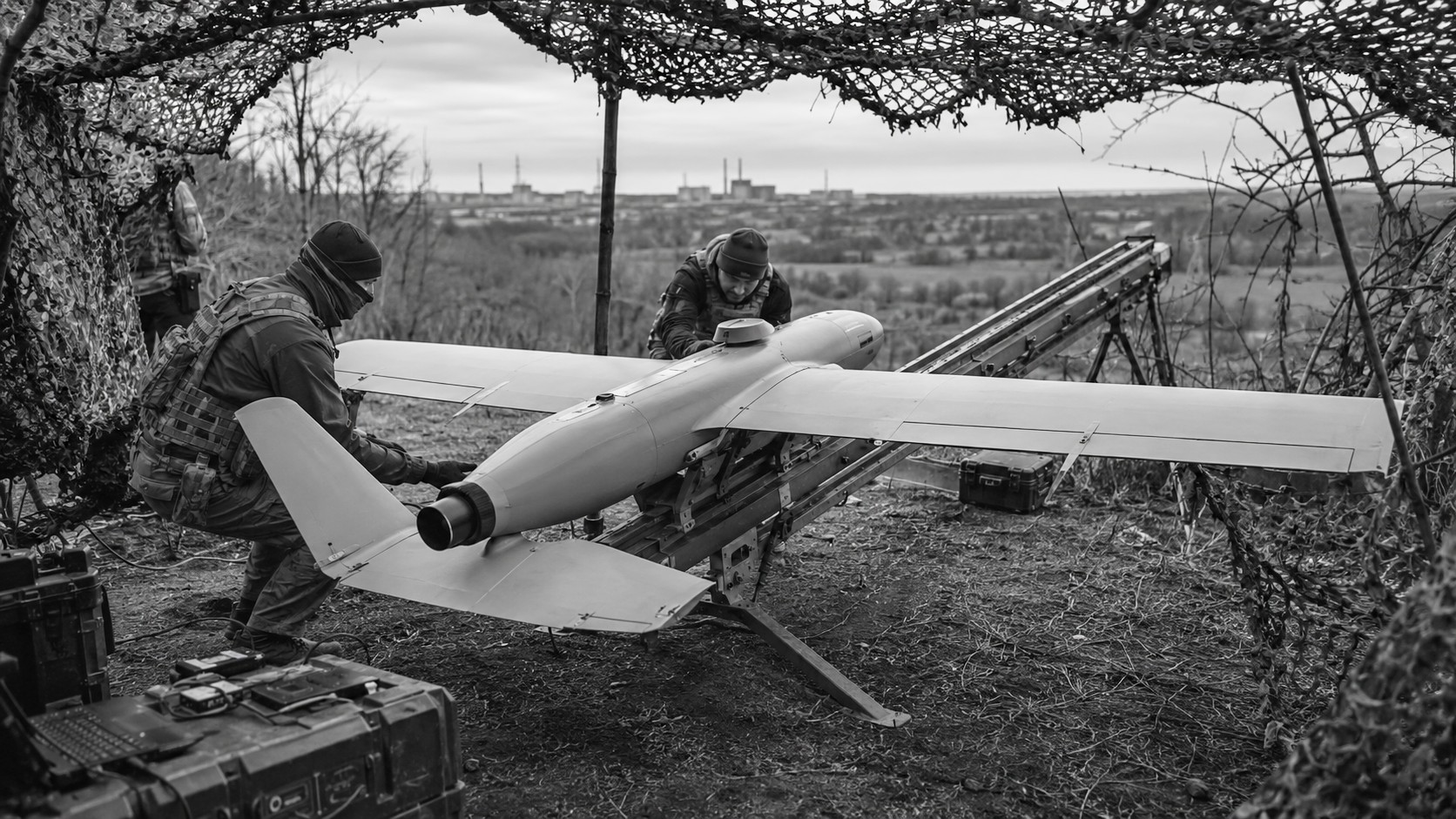
The dispute follows reports that Ukraine has used drones produced by two British companies during its expanding deep-strike campaign. The aircraft were reportedly deployed against oil refineries and other infrastructure in areas including Moscow, Yaroslavl and Volgograd.
One of the identified systems is the jet-powered Nyan drone manufactured by BAE Systems. The aircraft can be launched from a portable platform and is designed to operate when satellite navigation is disrupted by electronic warfare.
It can carry a payload for long-range strikes or operate as a disposable decoy intended to identify enemy air-defence positions. A second type of British-manufactured drone involved in the reported operations has not been publicly identified.
Ministry of Defence maintains support
Britain’s Ministry of Defence did not confirm whether UK-made drones had been used in attacks inside Russia. However, a spokesperson said Britain continued to stand with Ukraine and would provide the equipment required to defend the country against President Vladimir Putin’s invasion.
The ministry added that Russia should not doubt the British government’s determination to oppose aggression against Ukraine, the UK and its allies.
Britain announced in June that it planned to provide Ukraine with 150,000 drones before the end of 2026. The deliveries form part of a £752 million programme supporting Ukrainian drone production, procurement and battlefield operations.
Ukraine expands its deep-strike campaign
Kyiv has intensified attacks against Russian energy, industrial, military and logistics facilities during 2026. Ukraine argues that these sites generate revenue, manufacture equipment or provide supplies supporting Moscow’s military campaign.
Long-range strikes also force Russia to distribute air-defence systems across a much larger territory instead of concentrating them near the Ukrainian front.
Ukraine reportedly conducted three times as many long-range attacks in July as it did in January. Although most missions use domestically developed aircraft, British technology may provide additional range, speed and resistance to electronic interference.
Civilian risks continue to increase
Russia says Ukrainian drones have struck commercial warehouses and caused civilian casualties. Ukraine has accused some targeted businesses of storing or transporting military supplies, although the purpose of individual sites is often difficult to verify independently.
Russia continues to launch substantially larger missile and drone attacks against Ukrainian cities, energy facilities and transport infrastructure. A Russian missile strike in the Kharkiv region on Tuesday killed ten people, according to Ukrainian authorities.
Danger of wider confrontation grows
The reported use of British drones inside Russia increases diplomatic pressure between Moscow and London. It also raises the risk of cyberattacks, sabotage or other retaliatory measures falling short of direct military confrontation.
Britain maintains that responsibility for ending the conflict rests with Russia, which launched its full-scale invasion in February 2022. Moscow, meanwhile, continues to portray Western military assistance as evidence that NATO countries are directly involved in the war.
Newshub Editorial in Europe – 18 August 2026

Ask NF GPT
If you have an account with ChatGPT you get deeper explanations,
background and context related to what you are reading.
Moscow warns of unspecified consequencesRussia has warned that Britain will face “consequences” following reports that British-manufactured drones have been used by Ukraine to conduct long-range attacks inside Russian territory. The UK government rejected the threat and reaffirmed its commitment to supplying Kyiv with equipment needed to resist Russia’s invasion.
Recent Comments