
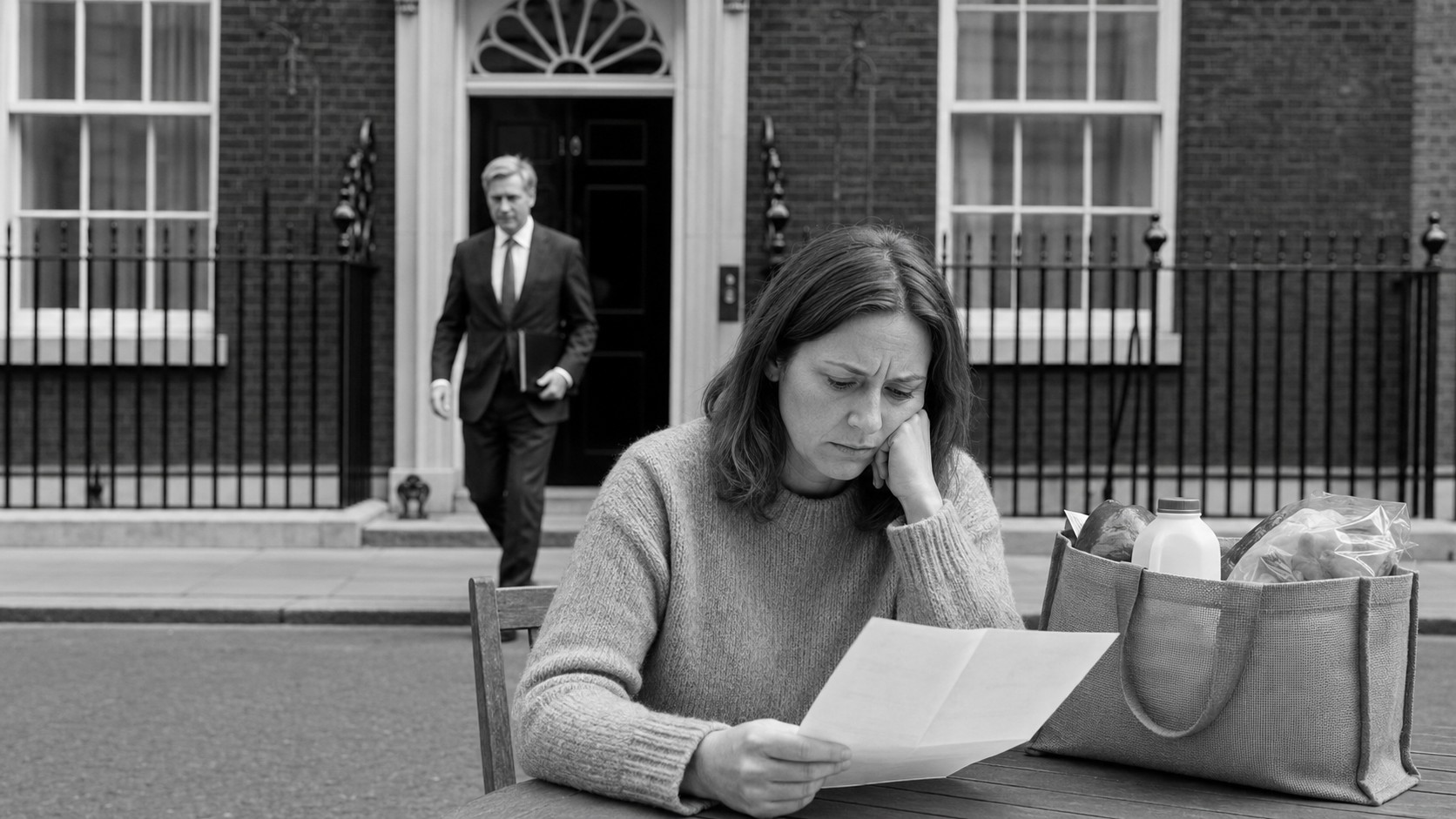
Britain’s new prime minister, Andy Burnham, has instructed his cabinet to examine “all possible ways” of easing pressure on households, declaring that his administration will be a “cost-of-living government”. The pledge places living standards at the centre of his opening programme, but it has also prompted immediate questions about how his wider ambitions will be financed.
Electricity tax cut offers early relief
Burnham’s first substantial policy announcement was the removal of value added tax from domestic electricity bills from 1 October. The measure is expected to cost approximately £850 million during the current financial year and save the average household around £45.
The government plans to finance the immediate cut by cancelling the previous administration’s £1.8 billion digital identification programme. Burnham has argued that redirecting the money will provide families with breathing space ahead of the winter and demonstrate that the new government intends to deliver visible improvements quickly.

However, critics have questioned whether a universal reduction in electricity tax represents the most effective use of public funds. Because the saving rises with consumption, households using more electricity could receive a greater benefit than poorer families with lower energy use.
Cabinet told to search for further measures
During his first cabinet meeting, Burnham urged ministers across government to identify additional ways to reduce everyday costs. Possible measures include lowering the national bus fare cap from £3 to £2, providing support for hospitality businesses and examining longer-term action on housing expenses.
The prime minister’s record as mayor of Greater Manchester, where he brought bus services under greater public control, is expected to influence his approach. His emphasis on transport, housing and regional decision-making also signals a shift towards policies shaped by his experience outside Westminster.
Burnham has said the initial measures will not eliminate the financial pressures facing households. Instead, they are intended to establish the direction of his government and rebuild public confidence in its ability to improve living standards.
Funding questions dominate the debate
The central challenge will be reconciling Burnham’s domestic programme with tight public finances. The government must fund strained public services, pursue plans for a national care service and meet commitments to increase defence expenditure, while remaining within borrowing rules.
New chancellor John Healey will therefore face pressure to explain how the administration intends to finance its promises beyond the current financial year. Cancelling the digital identification scheme provides funding for the immediate electricity measure, but does not create a permanent revenue source.
Burnham has ruled out reversing the freeze on income tax thresholds, while the government has also rejected suggestions that special defence bonds could finance higher military spending. This leaves departmental savings, spending reallocations, new taxes or stronger economic growth as the principal options.
Early test of economic credibility
Financial markets will watch closely for signs that the new government can combine greater household support with fiscal discipline. Britain’s recent experience has made investors particularly sensitive to substantial policy announcements that lack clearly identified funding.
Burnham’s political objective is equally demanding. He must offer rapid, tangible relief without creating expectations that the Treasury cannot afford to meet. His cost-of-living agenda may define the opening phase of his premiership, but its success will ultimately depend on whether early promises can be converted into sustainable policy.
Newshub Editorial in Europe – 22 July 2026

Ask NF GPT
If you have an account with ChatGPT you get deeper explanations,
background and context related to what you are reading.
Recent Comments