
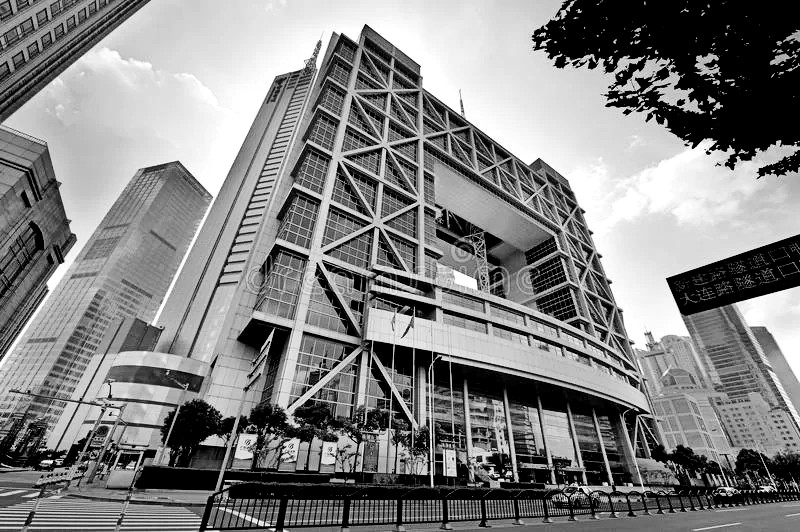
Mainland Chinese equities opened lower on Friday as investors continued to retreat from highly valued technology shares and assessed the potential liquidity impact of Asia’s largest initial public offering of the year. The Shanghai Composite weakened during early trading and subsequently fell more than 1 per cent, while semiconductor-related companies remained under particular pressure.
Technology correction deepens
The Shanghai Composite traded near 3,833 during the morning, down approximately 1.3 per cent. The decline extended a difficult period for parts of China’s technology market, particularly companies connected to semiconductors and artificial intelligence.
The STAR 50 Index, which represents some of Shanghai’s largest science and technology businesses, has fallen nearly 20 per cent from its early-July peak. Investors have increasingly questioned whether earnings growth can justify the valuations reached during the recent artificial intelligence rally.

Selling across semiconductor companies elsewhere in Asia added to the pressure. TSMC shares declined despite reporting a substantial increase in profit, strengthening concerns that even strong results may no longer be sufficient to support elevated technology valuations.
Large IPO tests market liquidity
ChangXin Memory Technologies raised $8.6 billion through its Shanghai offering, making it Asia’s largest initial public offering in 2026. Retail demand exceeded the available shares by more than 200 times, demonstrating considerable interest in one of China’s most important memory-chip producers.
However, demand was less extreme than for some recent technology offerings. That response indicated greater investor caution as the semiconductor rally loses momentum.
Large listings can attract new capital, but they may also draw funds away from companies already trading on the market. Concerns that the CXMT offering could absorb liquidity contributed to weakness across the STAR Market, even as state media argued that major listings can strengthen the exchange over the longer term.
CXMT is expected to begin trading on 27 July.
External risks reinforce caution
Rising oil prices and renewed conflict in the Gulf created additional uncertainty. China is the world’s largest importer of crude oil, leaving its economy exposed to sustained increases in energy and transport costs.
Investors also monitored relations between Beijing and Washington after renewed political accusations from the United States. Expectations of a possible meeting between Presidents Donald Trump and Xi Jinping later in the year offered some prospect of reduced trade tension, but immediate market attention remained focused on technology valuations and global risk.
Policy support may become increasingly important
Friday’s opening showed that confidence in China’s technology sector is being tested by both domestic liquidity concerns and international selling. Broader economic support from Beijing could help stabilise sentiment, but investors may require clearer evidence of earnings growth before returning aggressively to semiconductor shares.
The Shanghai market’s immediate direction is likely to depend on whether selling in the STAR Market spreads into banks, industrial companies and consumer shares.
Newshub Editorial in Asia – 17 July 2026

Ask NF GPT
If you have an account with ChatGPT you get deeper explanations,
background and context related to what you are reading.
Recent Comments