
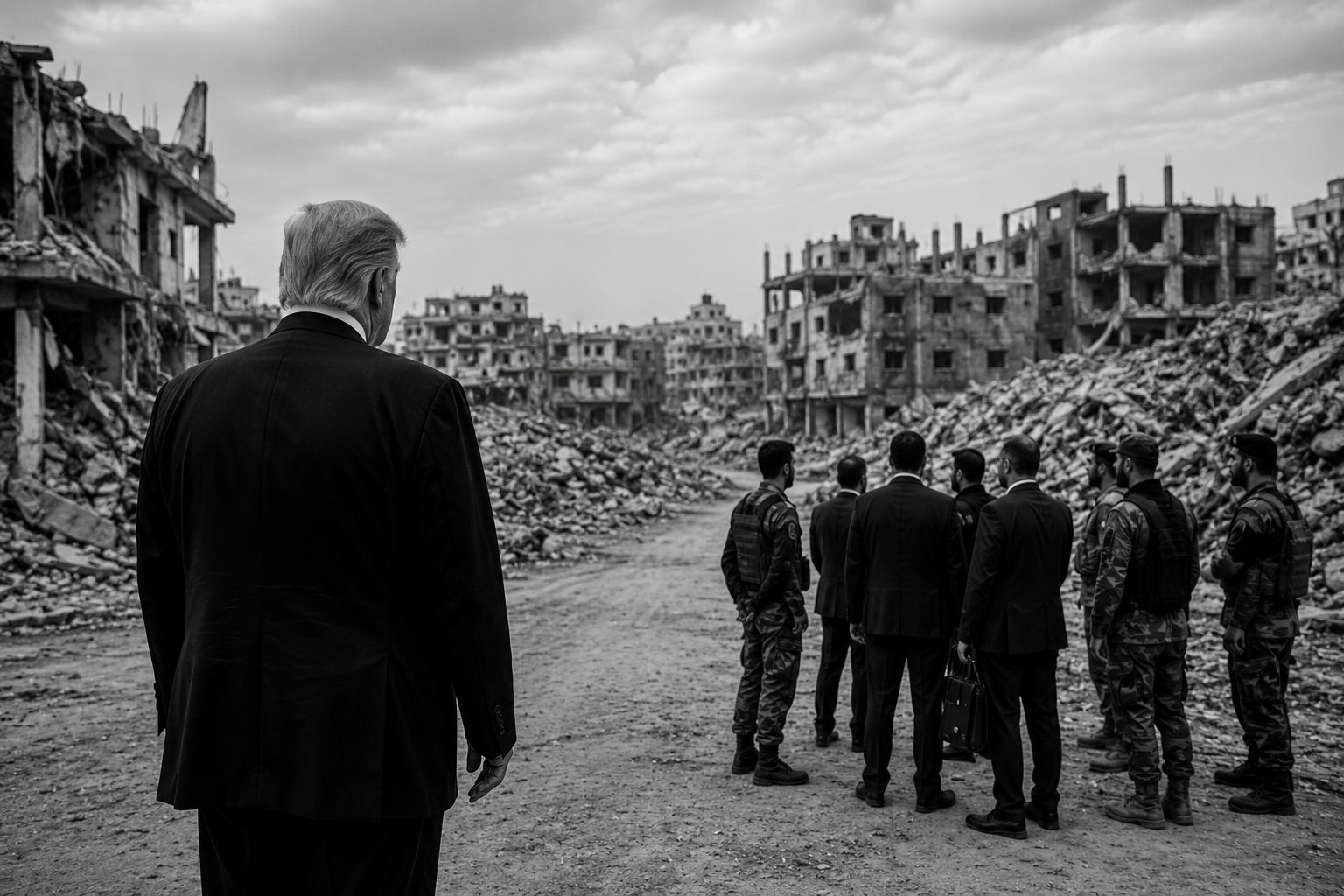
A draft resolution linked to Donald Trump’s Board of Peace has raised serious legal and diplomatic concerns after documents reportedly showed plans to grant broad immunity to board members, staff, contractors and security forces operating in Gaza. The proposal, if adopted, could shield those involved in the territory’s reconstruction and stabilisation from arrest, detention or prosecution for actions carried out under the board’s authority.
Draft resolution raises accountability concerns
The reported document, described as a sensitive draft resolution, would provide extensive legal protection for individuals and entities connected to the Board of Peace. That includes board officials, international personnel, contractors, advisers and military forces involved in operations in Gaza. The proposed protections appear designed to prevent local legal action, but critics warn that the language could also be interpreted as an attempt to limit future accountability in broader legal forums.
Gaza mandate remains politically sensitive
The Board of Peace was established as part of the wider international framework for Gaza following the ceasefire and reconstruction plan backed by the United Nations Security Council. Its role is to support transitional governance, reconstruction, economic recovery and security arrangements in the territory. However, the board’s authority has remained controversial from the outset, particularly because it operates in one of the world’s most legally and politically sensitive conflict zones.

Legal experts warn of impunity
Human rights lawyers and international law specialists have expressed concern that the proposed immunity framework could create a system in which powerful actors operate without sufficient oversight. While post-conflict administrations often require legal protections to allow officials and peacekeeping forces to function, broad immunity can become problematic if it prevents victims from seeking remedies for wrongful detention, injury, property seizure or other abuses.
Security forces under protection
The draft reportedly extends protections not only to civilian officials but also to international military and security personnel. That provision is likely to draw particular scrutiny because Gaza remains a heavily contested environment where questions of force, policing, detention and civilian protection are central to any stabilisation mission. Without independent review mechanisms, critics argue that immunity provisions could weaken public trust and complicate relations with Palestinian institutions.
Property and reconstruction questions
The controversy also comes as Gaza’s reconstruction remains a major international challenge. Any body overseeing redevelopment will need to manage land, damaged infrastructure, housing, public services and private property claims. If the board is granted wide powers while also shielding itself from legal challenge, concerns may grow over transparency, compensation and the rights of displaced residents.
Implications for international legitimacy
The debate goes beyond legal drafting. The Board of Peace depends on international credibility, donor confidence and local acceptance to function effectively. A perception that it is insulating itself from accountability could make it harder to secure cooperation from regional partners, humanitarian organisations and Palestinian representatives. For the United States and its allies, the issue may become a test of whether Gaza’s reconstruction is governed by transparent rules or by exceptional powers.
A fragile framework under pressure
The reported immunity plan highlights the central dilemma facing any post-war administration in Gaza: how to create enough authority to restore order while preserving accountability and legal rights. Unless the board clarifies its mandate, limits its protections and establishes credible oversight, the controversy could deepen doubts about the legitimacy of the entire reconstruction framework.
Newshub Editorial in Middle East – 28 June 2026

If you have an account with ChatGPT you get deeper explanations,
background and context related to what you are reading.
Open an account:
Open an account
Recent Comments