
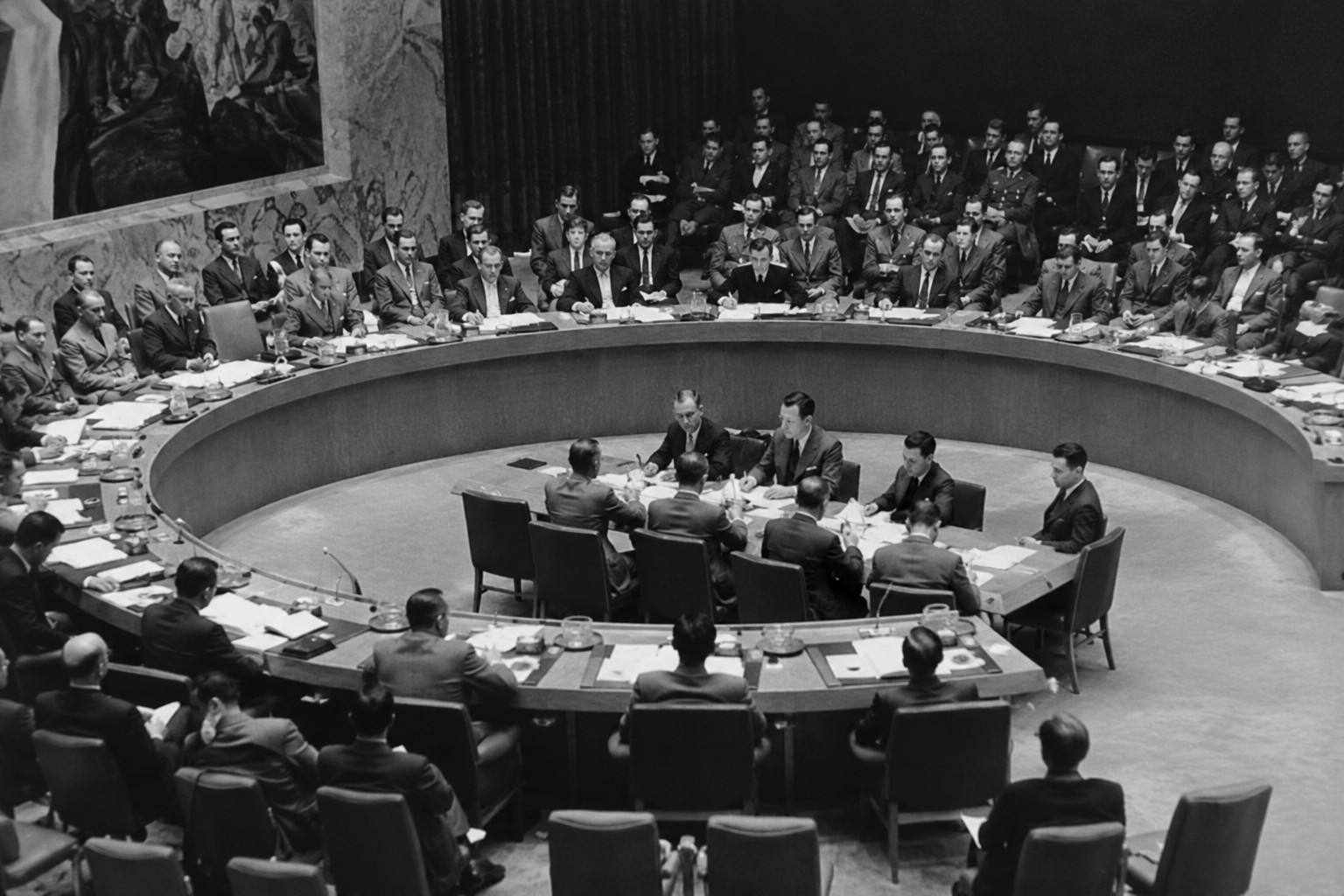
On 27 June 1950, just two days after North Korean forces crossed the 38th Parallel, the United Nations took one of the most consequential decisions in its history. The United Nations Security Council Resolution 83 recommended that member states provide military assistance to the Republic of Korea to repel the invasion by Democratic People’s Republic of Korea.
The resolution followed the outbreak of the Korean War, which began on 25 June 1950 when North Korean troops launched a large-scale offensive across the border. At the time, the Soviet Union was boycotting Security Council meetings over the issue of China’s representation, allowing the resolution to pass without a Soviet veto.
The decision paved the way for the creation of a multinational force led by the United States under the UN flag. Soldiers from more than a dozen countries would eventually serve in Korea, making it the first major collective military action authorised by the United Nations.

The Korean War lasted until an armistice was signed on 27 July 1953, but no formal peace treaty has ever been concluded. Technically, North and South Korea remain at war more than seven decades later, separated by one of the world’s most heavily fortified borders.
The events of 27 June 1950 marked a defining moment in the early Cold War, demonstrating the United Nations’ willingness to respond collectively to armed aggression. The resolution also established a precedent for future UN-backed international military operations and shaped global security policy for generations.
Newshub Editorial – Asia – 27 June 2026

If you have an account with ChatGPT you get deeper explanations,
background and context related to what you are reading.
Open an account:
Open an account
Recent Comments