
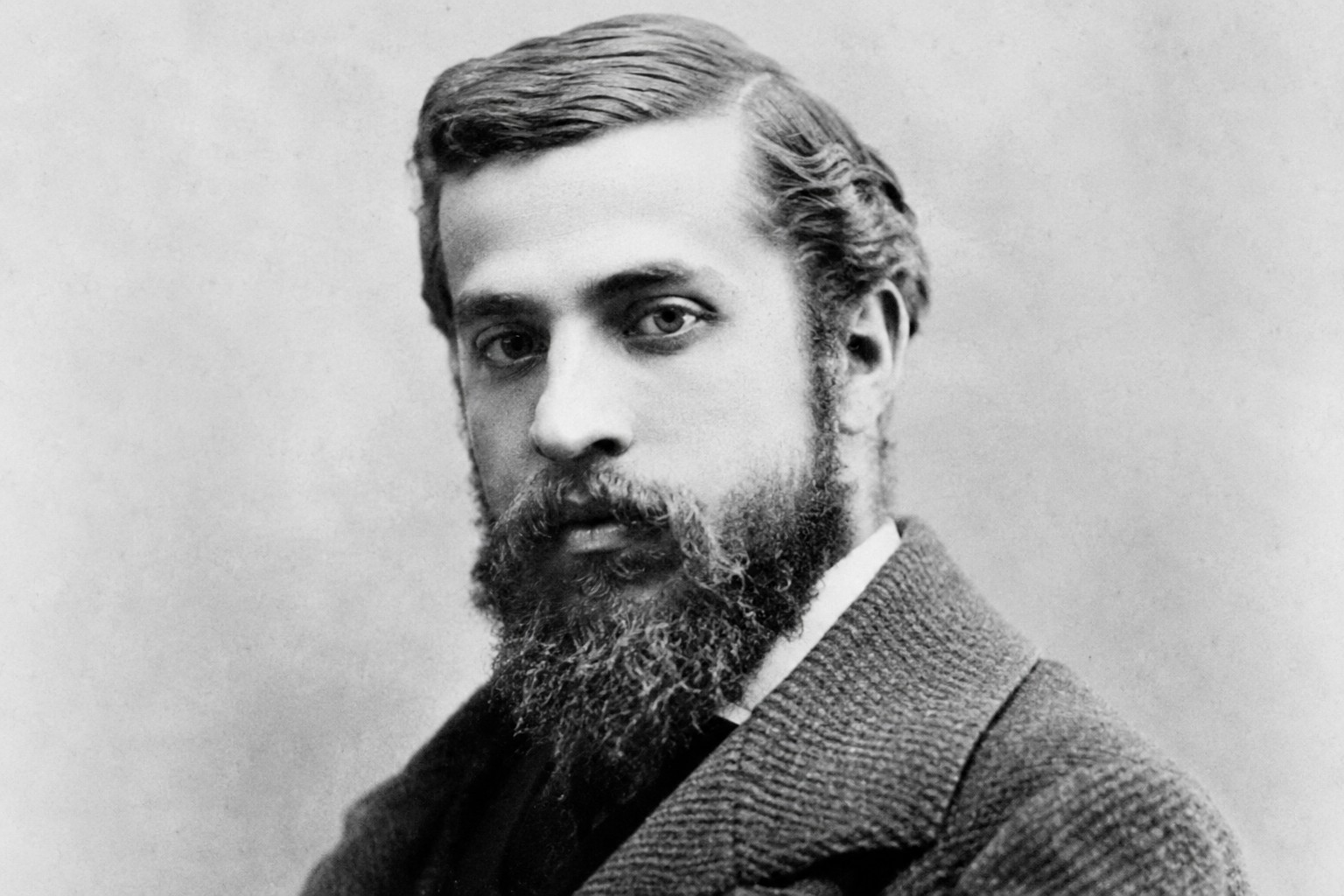
More than one hundred years after his death, Antoni Gaudí remains one of the most celebrated architects in history. Best known for his extraordinary buildings in Barcelona, the Catalan visionary transformed architecture by combining artistic imagination, engineering innovation and inspiration drawn directly from nature. His work continues to influence architects worldwide and attracts millions of visitors every year.
A revolutionary architect
Born in 1852 in Catalonia, Spain, Gaudí studied architecture in Barcelona during a period of rapid industrial and cultural change. From the beginning of his career, he rejected traditional design principles and sought to create structures that reflected the forms and patterns found in the natural world.
Unlike many architects of his era, Gaudí favoured curved lines over straight ones. He incorporated organic shapes, colourful mosaics, intricate ironwork and innovative structural techniques into his projects. His philosophy was simple: nature was the ultimate source of inspiration and the perfect guide for architectural design.

The creation of a global icon
Gaudí’s most famous achievement is the Sagrada Família, the monumental basilica that has become the symbol of Barcelona. Construction began in 1882, and Gaudí dedicated the final decades of his life almost entirely to the project.
The basilica combines Gothic traditions with groundbreaking engineering and artistic concepts. Its soaring towers, detailed façades and forest-like interior have made it one of the most recognisable religious structures in the world. Despite more than a century of construction, work on the building continues today, making it one of the longest-running architectural projects in modern history.
Transforming the city of Barcelona
Gaudí’s influence extends far beyond the Sagrada Família. His portfolio includes some of Barcelona’s most famous landmarks, including Park Güell, Casa Batlló and Casa Milà. Each building demonstrates his distinctive approach to design, characterised by flowing forms, vibrant colours and an exceptional understanding of light and space.
These projects helped establish Barcelona as one of the world’s leading architectural destinations. Several of Gaudí’s works have been designated UNESCO World Heritage Sites, recognising their cultural and artistic importance.
A legacy that transcends generations
Gaudí died in 1926 after being struck by a tram in Barcelona. Although his life ended unexpectedly, his influence only continued to grow. Today, his buildings are studied in universities, admired by architects and visited by travellers from every corner of the globe.
More than an architect, Gaudí became a symbol of creativity and innovation. His ability to merge art, engineering and spirituality produced a body of work unlike anything seen before or since. More than a century later, his vision continues to inspire new generations and stands as a testament to the enduring power of human imagination.
Newshub Editorial in Europe – 25 June 2026

If you have an account with ChatGPT you get deeper explanations,
background and context related to what you are reading.
Open an account:
Open an account
Recent Comments