
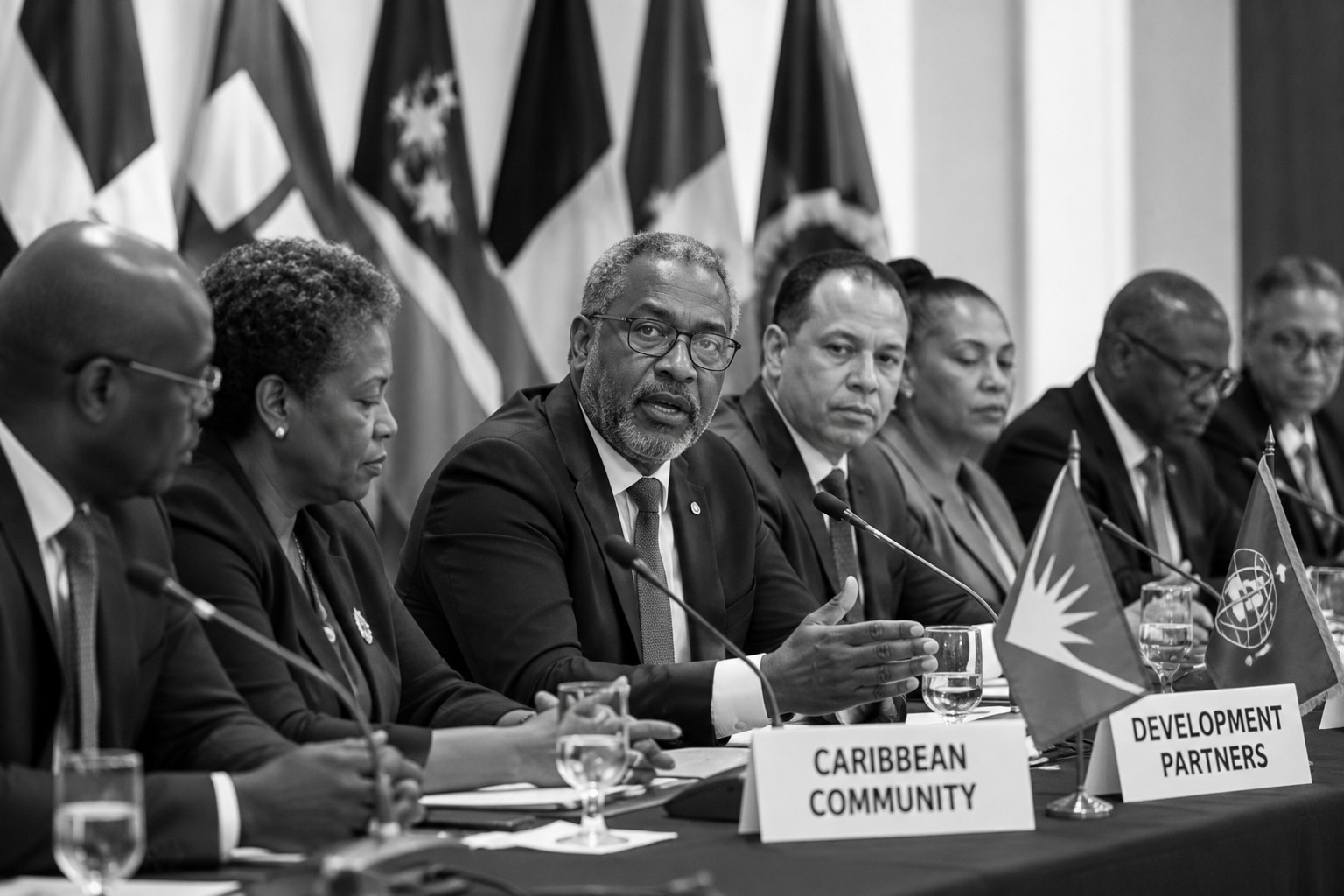
Caribbean leaders and international development partners are intensifying calls for faster action on debt restructuring and resilience financing, arguing that the region’s economic future depends on greater access to affordable capital. The appeal comes as Caribbean nations continue to face mounting challenges from climate change, natural disasters, rising borrowing costs and constrained public finances.
Growing pressure on vulnerable economies
Many Caribbean countries remain highly exposed to hurricanes, flooding, coastal erosion and other climate-related risks. At the same time, governments are carrying significant debt burdens that limit their ability to invest in infrastructure, healthcare, education and economic development.
Regional leaders argue that traditional measures of economic strength often fail to capture the vulnerabilities faced by small island developing states. As a result, some countries struggle to access concessional financing despite facing substantial climate and disaster-related risks.

Calls for financing reform
During recent discussions with multilateral institutions and development agencies, Caribbean representatives urged the international community to accelerate reforms aimed at improving access to resilience financing. Key proposals include expanding climate adaptation funds, increasing the availability of low-interest loans and introducing innovative financing mechanisms linked to disaster recovery and climate resilience.
Officials stressed that funding must move more quickly from approval to implementation, allowing countries to strengthen infrastructure and prepare for future climate events before disasters occur.
Development partners signal support
International development organisations have acknowledged the urgency of the region’s concerns and expressed support for measures designed to improve financial resilience. Several institutions are exploring new approaches that combine public funding, private investment and risk-sharing mechanisms to mobilise larger pools of capital.
There is also growing interest in debt-for-climate and debt-for-nature swaps, which allow countries to reduce debt obligations while investing in environmental protection and sustainable development projects.
Building long-term resilience
Regional leaders emphasise that resilience financing is not solely about responding to disasters but about creating stronger and more sustainable economies. Investments in renewable energy, climate-smart infrastructure, digital transformation and disaster preparedness are increasingly viewed as essential components of long-term economic growth.
As climate risks continue to intensify, Caribbean governments are seeking a financial framework that reflects their unique vulnerabilities and development needs. The renewed call for action highlights a growing consensus that faster, more flexible and more accessible financing will be critical to securing the region’s future prosperity and resilience.
Newshub Editorial in North America – 25 June 2026

If you have an account with ChatGPT you get deeper explanations,
background and context related to what you are reading.
Open an account:
Open an account
Recent Comments