
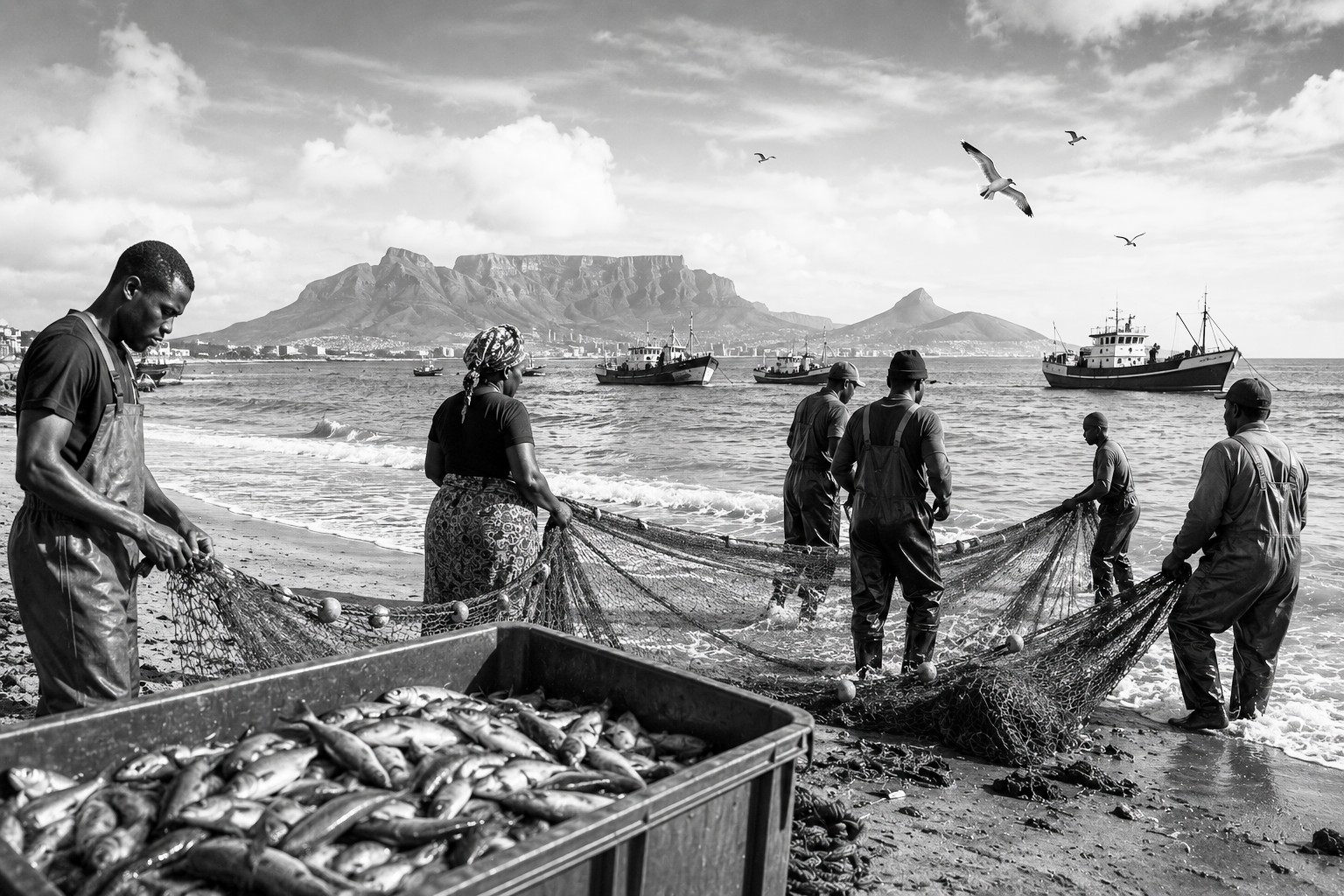
For the first time, Africa is hosting the Our Ocean Conference, a milestone that reflects the continent’s growing influence in global marine conservation and the blue economy. While the world’s oceans face mounting threats from climate change, overfishing, pollution and biodiversity loss, African nations are increasingly recognised as being both among the most vulnerable to marine degradation and among the most important custodians of the planet’s ocean ecosystems.
A continent defined by the sea
Africa is bordered by the Atlantic Ocean, the Indian Ocean, the Mediterranean Sea and the Red Sea, giving it more than 30,000 kilometres of coastline. Millions of people rely directly on healthy marine ecosystems for food security, employment, transportation and tourism.
From the coral reefs of the Western Indian Ocean to the productive fisheries along the Atlantic coast, the continent’s marine resources support entire communities and contribute billions of dollars annually to national economies.

Yet these ecosystems are coming under increasing pressure from illegal fishing, rising sea temperatures, coastal erosion, plastic pollution and unsustainable development.
The blue economy offers enormous potential
The conference places particular emphasis on Africa’s rapidly expanding blue economy, which encompasses sustainable fisheries, shipping, renewable offshore energy, marine biotechnology and eco-tourism.
According to international development organisations, Africa’s blue economy could become one of the continent’s most important drivers of long-term economic growth if managed responsibly.
Investment in sustainable ports, marine infrastructure and coastal industries has the potential to generate millions of jobs while protecting the ecosystems on which those industries ultimately depend.
Illegal fishing remains a major challenge
One of the most pressing issues facing African governments is illegal, unreported and unregulated fishing.
Foreign industrial fleets operating illegally in African waters are estimated to remove billions of dollars’ worth of fish every year, undermining local fishing communities and threatening food security across coastal regions.
Many African nations continue to call for stronger international cooperation, improved satellite monitoring and tougher enforcement to protect their exclusive economic zones.
Without more effective regulation, experts warn that fish stocks could continue to decline, placing further pressure on already vulnerable coastal populations.
Climate change threatens coastal communities
Africa contributes only a small share of global greenhouse gas emissions, yet many of its coastal communities are among those most exposed to climate-related impacts.
Sea-level rise is increasing the risk of flooding in major coastal cities, while warming oceans are damaging coral reefs that support fisheries and tourism.
Mangrove forests, which provide natural protection against storm surges while storing significant amounts of carbon, are also disappearing due to urban expansion and environmental degradation.
Protecting and restoring these ecosystems has become a central objective for many governments participating in the conference.
Turning commitments into action
While international conferences often generate ambitious declarations, implementation has historically proven more difficult.
Financing remains one of Africa’s greatest challenges. Many governments require greater access to investment, technology and scientific expertise to strengthen marine conservation and build resilient coastal economies.
Environmental organisations argue that wealthier nations must move beyond promises and provide meaningful financial support if global ocean protection targets are to be achieved.
Africa’s first Our Ocean Conference therefore represents more than a diplomatic milestone. It signals a growing recognition that the future of the world’s oceans cannot be secured without African leadership, investment and local communities playing a central role. The decisions taken today will help determine not only the health of Africa’s marine ecosystems but also the sustainability of the global ocean for generations to come.
Newshub Editorial in Africa – 14 June 2026

If you have an account with ChatGPT you get deeper explanations,
background and context related to what you are reading.
Open an account:
Open an account
Recent Comments