
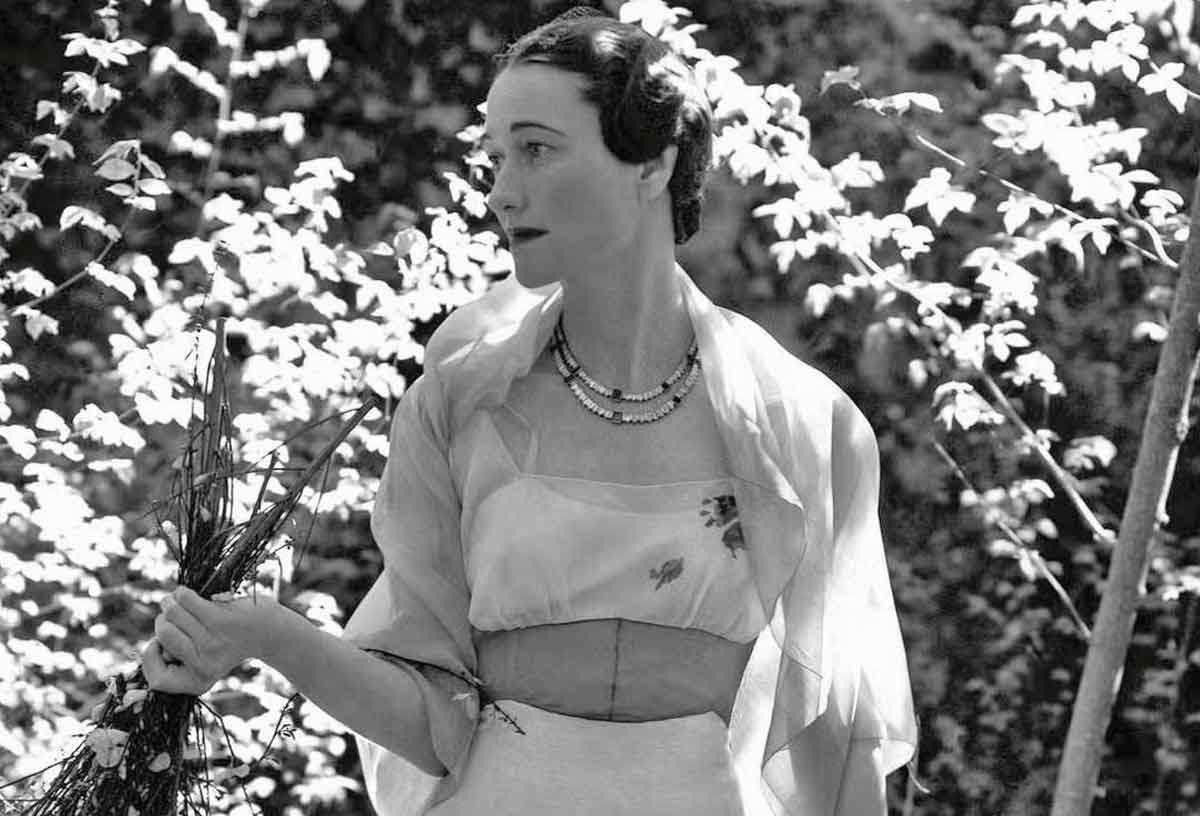
On 3 June 1937, one of the most remarkable royal love stories of the twentieth century reached its defining moment when Prince Edward, Duke of Windsor, formerly King Edward VIII of the United Kingdom, married American socialite Wallis Simpson in France. The wedding took place just six months after Edward had abdicated the British throne, triggering a constitutional crisis that captivated the world and permanently altered the course of British royal history.
A constitutional crisis unfolds
Edward VIII became king in January 1936 following the death of his father, George V. Popular, charismatic and modern in outlook, Edward quickly won public attention. However, his relationship with Wallis Simpson, an American divorcee, soon became a matter of intense political and constitutional concern.

At the time, the British monarch was also Supreme Governor of the Church of England. Church doctrine opposed the remarriage of divorced individuals whose former spouses were still living. Simpson had been divorced once and was pursuing a second divorce, making the prospect of marriage politically and religiously controversial.
Prime Minister Stanley Baldwin informed the king that neither the British government nor the governments of the Dominions would support such a marriage while Edward remained on the throne.
The abdication that shocked the world
Faced with a choice between the Crown and the woman he loved, Edward made a decision that stunned Britain and the wider world. On 11 December 1936, he signed the Instrument of Abdication and addressed the nation in a historic radio broadcast.
His most famous words became immortal:
“I have found it impossible to carry the heavy burden of responsibility and to discharge my duties as king as I would wish to do without the help and support of the woman I love.”
The abdication marked the first voluntary resignation of a reigning British monarch in modern history. Edward’s younger brother ascended the throne as George VI, setting in motion a royal succession that would eventually lead to the reign of Elizabeth II.
A wedding in exile
Following the abdication, Edward received the title Duke of Windsor. The couple settled largely in France, where they married on 3 June 1937 at the Château de Candé near Tours.
The ceremony attracted enormous international media attention. Yet the wedding also highlighted the tensions that remained between the Duke and the royal establishment. No members of the British royal family attended the ceremony, and Wallis was never granted the style of “Her Royal Highness,” a decision that deeply disappointed Edward.
Despite the controversy, photographs of the elegant ceremony circulated around the world, transforming the couple into global celebrities.
Life after the throne
The Duke and Duchess of Windsor spent much of their married life abroad. During the Second World War, Edward served as Governor of the Bahamas from 1940 to 1945. After the war, the couple lived primarily in Paris and remained prominent figures in international society.
Their relationship continued to fascinate historians, biographers and the public. Some viewed Edward’s decision as the ultimate romantic sacrifice, while others argued that abandoning the monarchy during a turbulent period represented a failure of duty.
A lasting royal legacy
Nearly ninety years later, the abdication of Edward VIII remains one of the most consequential events in modern royal history. It reshaped the British monarchy, altered the line of succession and demonstrated that even kings could be forced to choose between personal happiness and public responsibility.
The marriage of Edward and Wallis Simpson endures as a symbol of both devotion and controversy—a story where love changed the destiny of a kingdom.
Newshub Editorial in Europe – 3 June 2026

If you have an account with ChatGPT you get deeper explanations,
background and context related to what you are reading.
Open an account:
Open an account
Recent Comments